New technology
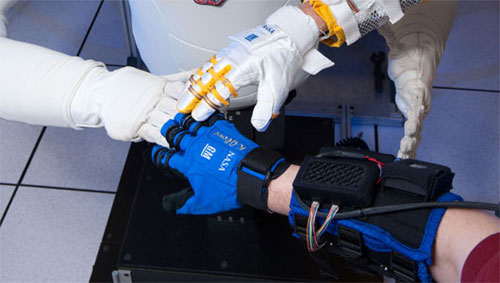
Robotic gloves
With power goggles, astronauts and car assembly workers will reduce the pressure on the muscles of the hands when handling instruments for a long time.
Browse ScienceInfo articles and explainers related to Power.
2,140 published items.
With power goggles, astronauts and car assembly workers will reduce the pressure on the muscles of the hands when handling instruments for a long time.
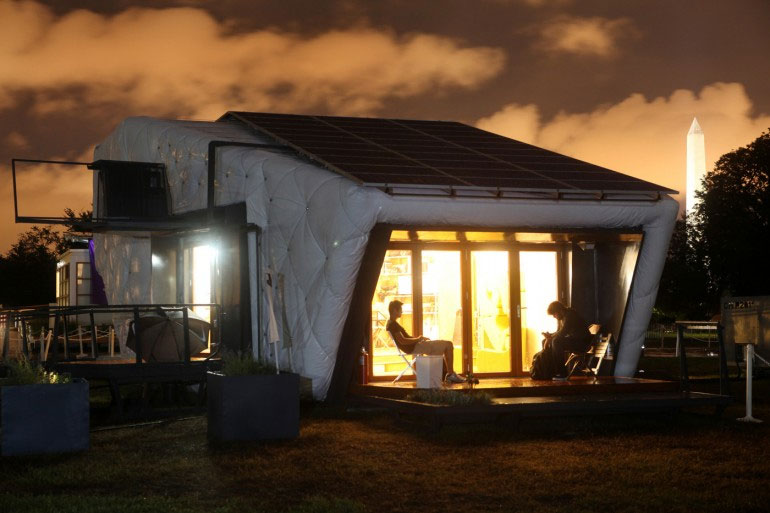
CHIP House - 'Super-compact house model' - with the original purpose of creating a network of homes that do not need to use energy (such as houses without energy from th…
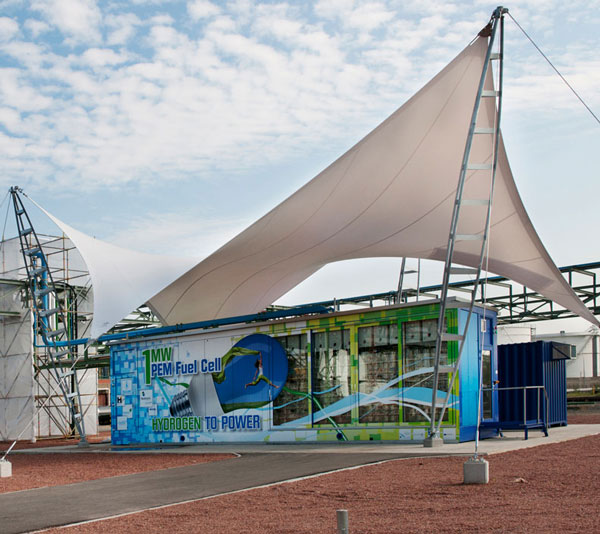
Solvay Large Industrial Chemical Group (Belgium)

Bang George will be the pilot site for the 'American version' of the third-generation nuclear furnace design originating in China. They are claimed to be more se…
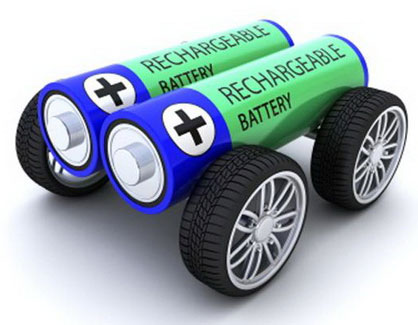
New Scientist magazine has published an impressive new development and development of IBM's battery technology, providing enough power for electric cars to operate f…
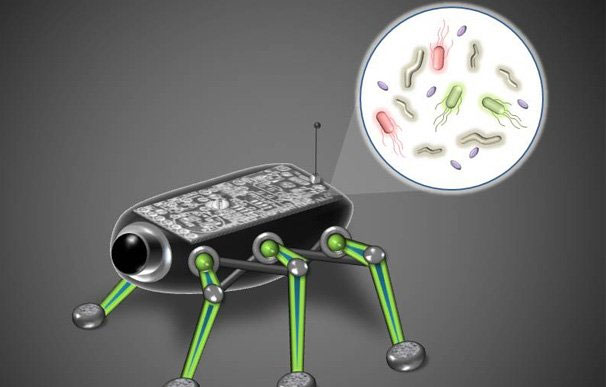
Scientists working at the US Naval Laboratories (NRL) plan to use advanced microbial fuel cells (MFCs), which will provide enough electricity in the long run (from proce…

Düsseldorf International Airport, Germany has installed one of its solar array (from October 2011) (completed within eight weeks, scheduled to be connected to the nation…
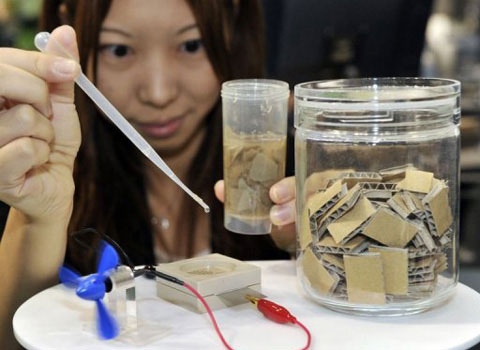
At the fair for environmental products in Tokyo, Sony invited some children to perform experiments. Put the paper into a mixture of water and some enzymes, shake and wai…
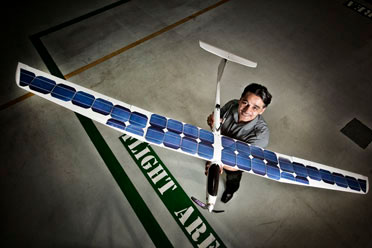
The environmentally-friendly Green Falcon II was developed by Wesam Al Sabban, a graduate student at Queensland University of Technology.
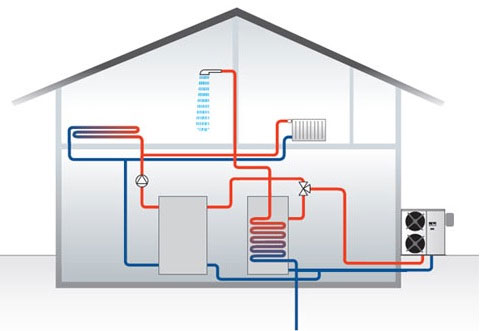
The British government announced a plan to finance the Heat Power Generation Industry from renewable energy, on November 28, 2011.

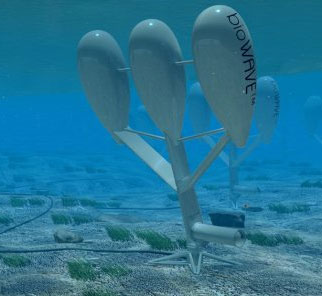
Inspired by the movement of algae at the bottom of the ocean, Australian scientists have come up with the idea of designing biogas generators that use the thrust of wate…

The 'bio-luminescence' system invented by Philips Electronics (Netherlands) produces the same light that luminescent creatures like fireflies and glow worms do.
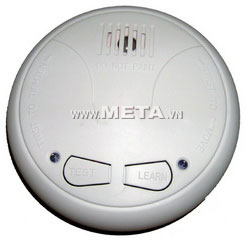
Gas detectors can recommend early leakages so that users can detect and handle them promptly.

Researchers at Michigan Tech University are using insects to explore potentially dangerous environments before getting people there.