New technology
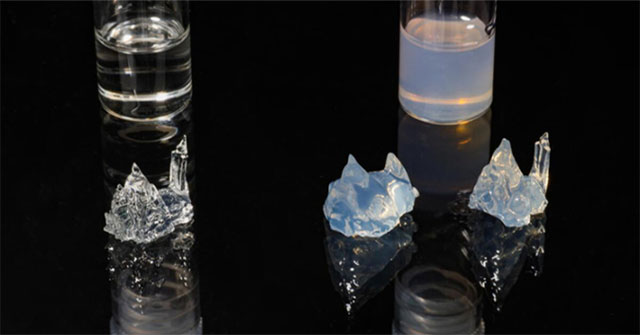
New 3D printing technique is 30 times faster than traditional methods
Light-based 3D printing is capable of creating small objects in tens of seconds with high resolution.
Browse ScienceInfo articles and explainers related to Print.
490 published items.
Light-based 3D printing is capable of creating small objects in tens of seconds with high resolution.

MIT researchers have developed a new technique that will one day be able to 3D print wood from plants.
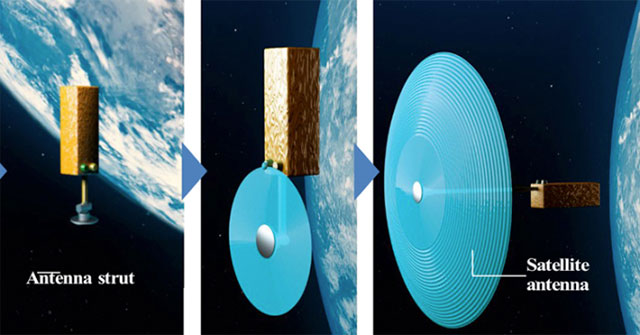
New technology allows to make satellite antennas right in orbit using plastic and sunlight, greatly saving launch costs.
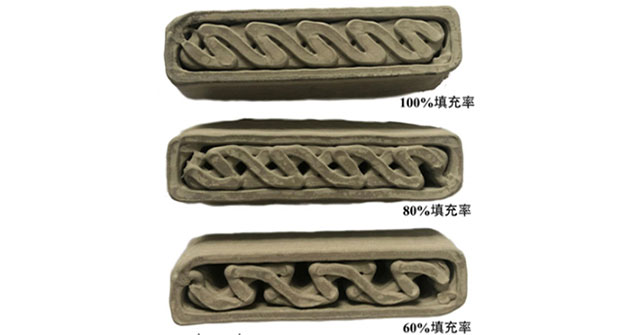
The team at Beihang University improved old materials and combined them with 3D printing technology to build roads on the Moon in the future.

Chinese researchers are using artificial intelligence to turn a dam project in Qinghai province into the world's largest 3D printer.
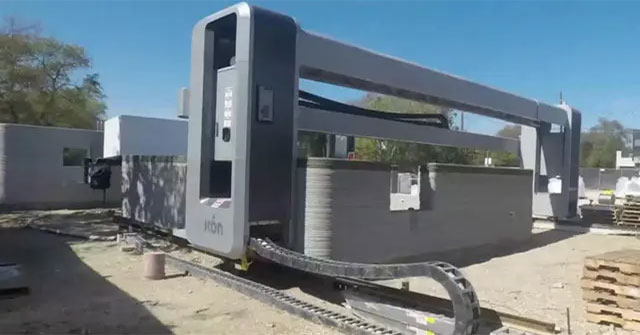
It is a fact that 3D printing is accelerating automation and providing new solutions for the construction industry.
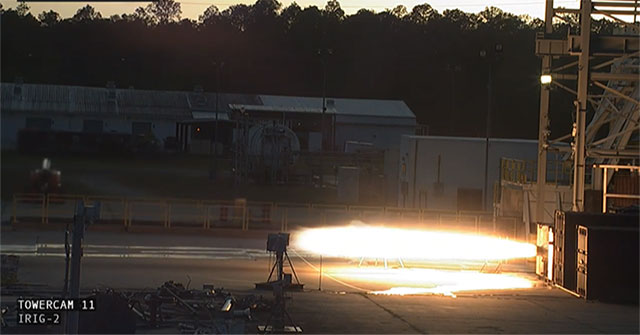
The E-2, a 3D-printed rocket engine developed by the US private space company Launcher Light, passes its first maximum thrust test.
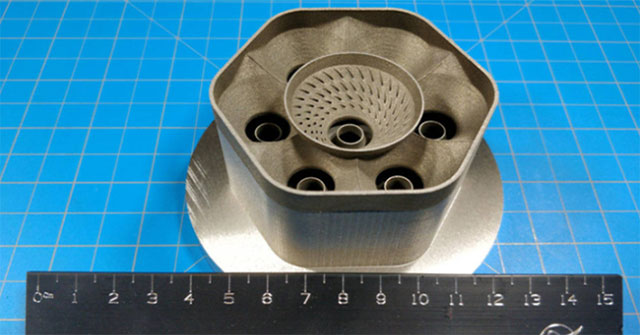
The GRX-810 alloy, developed using modeling and 3D printing, can withstand temperatures of more than 1,000 degrees Celsius.

Currencies in the world are increasingly being improved to ensure aesthetics and increase security. Do you know which countries the 9 most sophisticated coins belong to?
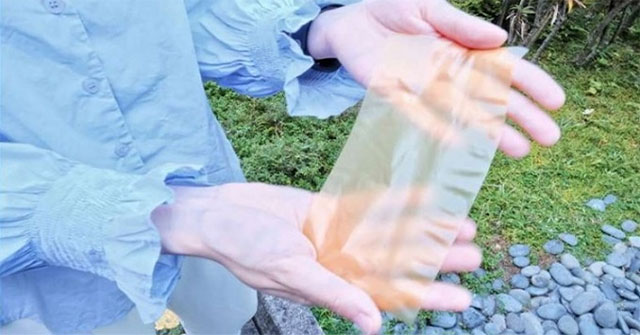
Singapore researchers have designed a new paper that can be printed and erased up to eight times without sacrificing paper or print quality.
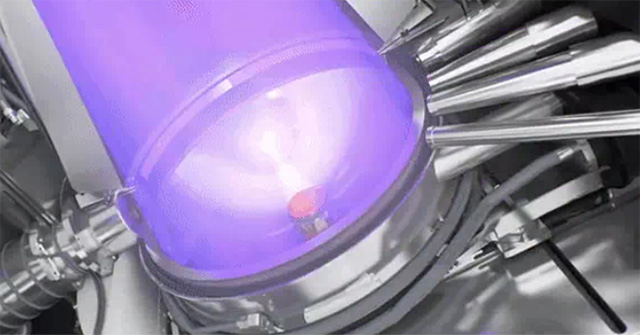
Photolithography comes from the Latin word for optical printing technique. In the past, people printed with inscriptions on stone. The sheets will be compressed onto the…
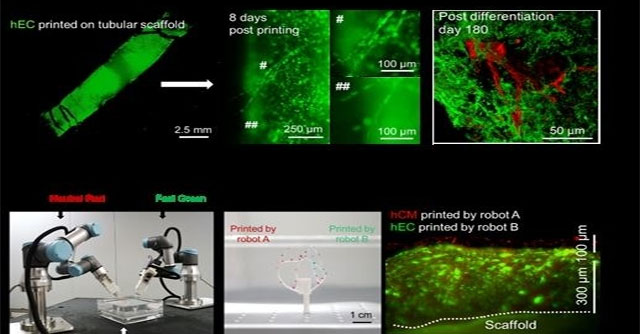
An international team of researchers has developed a new printing method to create heart tissue that can survive in vitro and function for long periods of time.
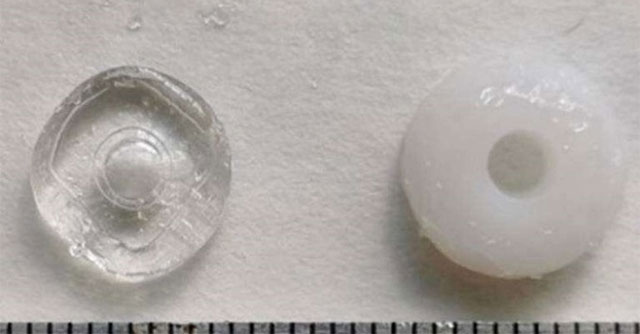
Researchers at University College London have developed a new 3D printing technique that enables rapid on-site production of drugs.

University of British Columbia (UBC) scientists have 3D printed human testicular cells and identified promising early signs of sperm production.
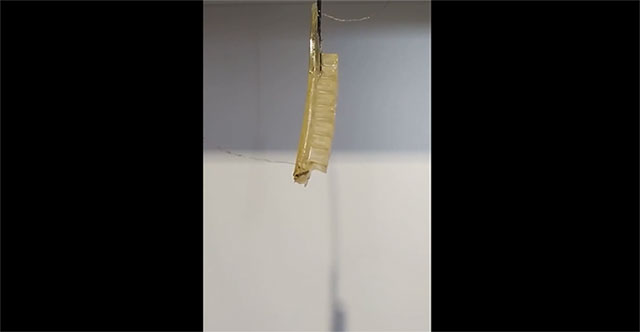
Instead of needing to be heated, the new material can heal itself at room temperature and continue to function without human intervention.