Space science
The universe is expanding faster than challenging Einstein's theory of relativity
The universe is expanding 10% faster than previously anticipated, questioning whether Albert Einstein's relativity theory is accurate or not?
Browse ScienceInfo articles and explainers related to Relativity.
95 published items.
The universe is expanding 10% faster than previously anticipated, questioning whether Albert Einstein's relativity theory is accurate or not?
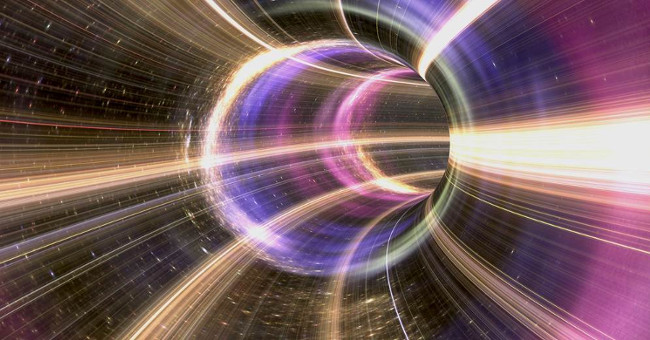
According to Einstein's special theory of relativity, the only three dimensions of time and dimension are closely related, said Paul Sutter, an astrophysicist at Ohio St…
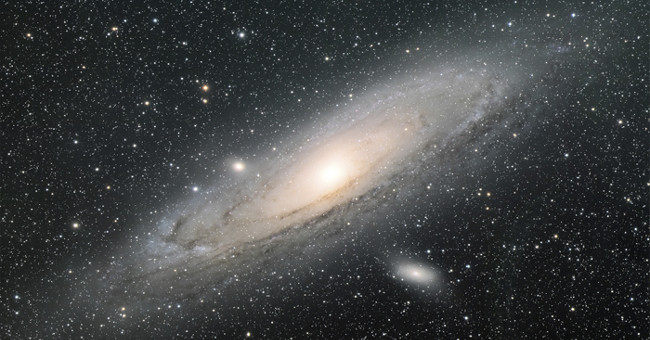
On July 16, Astronomical Journal reported that a group of astronomers discovered one of the brightest galaxies and thousands of light years away from other galaxies.
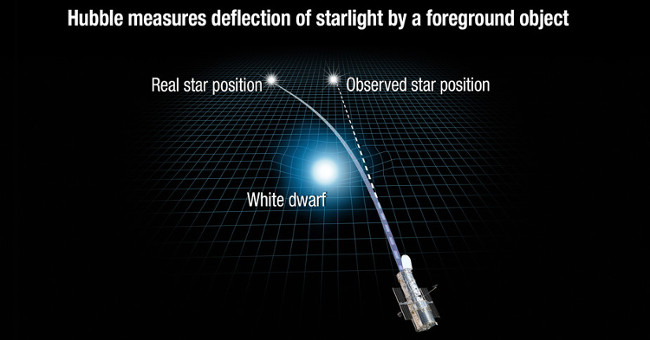
The researchers revealed how the gravitational pull of a white dwarf bends space and bends the light of a distant star behind it.
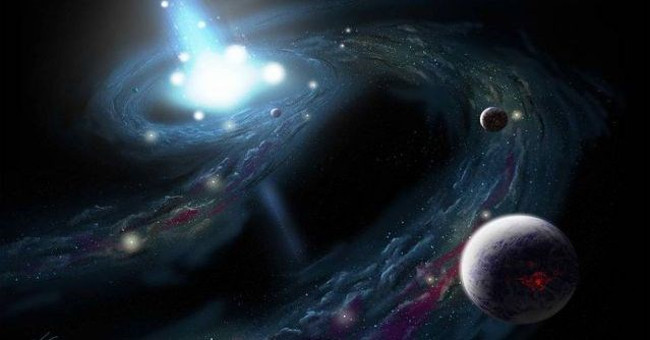
Research by international scientists provides evidence to support the three-dimensional cosmological model hypothesis, which exists in parallel with the standard cosmolo…
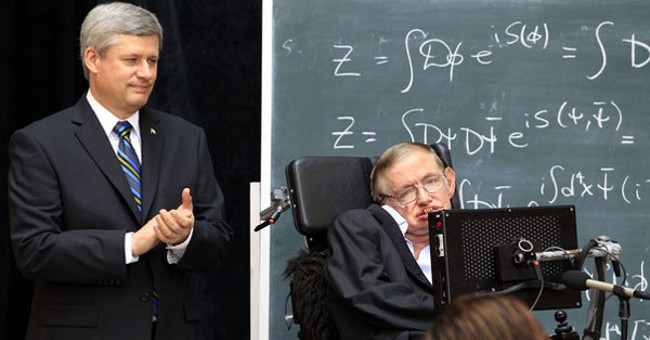
Many scholars argue that the universe we are seeing is just one of many different universes with its own stages of development including expanding, narrowing and appeari…

Albert Einstein's theory of relativity will be put to practical tests on a new satellite launched into space.

Gravitational waves and cosmic black holes are concepts that only enthusiasts can understand. So how about ordinary people, we will have to understand these two concepts?
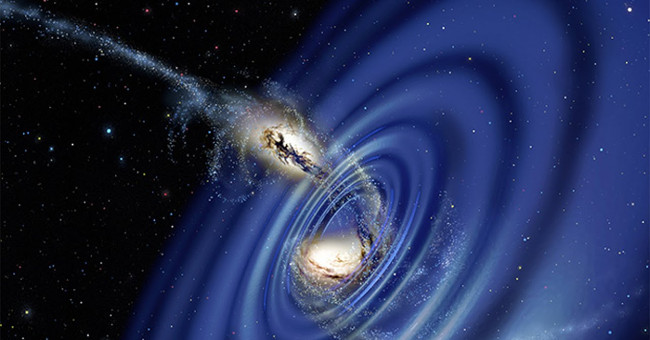
Scientists are buzzing with Albert Einstein's theory of gravitational theory that may have been found, leading to one of the greatest discoveries of all time.
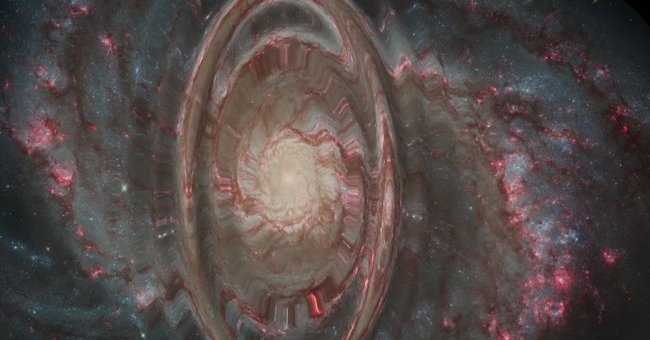
A huge experiment in Pisa, Italy, is being conducted to find the existence of gravitational waves in the theory of relativity proposed by the scientist Albert Einstein.
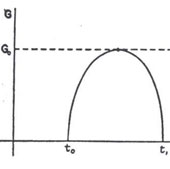
In 1931, Albert Einstein made a trip to the United States within 3 months. Inspired by the meeting with astronomer Edwin Hubble, he began to have new thoughts about the…
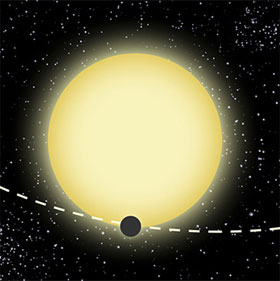
Because of the often fainter appearance than mother stars, exoplanet planets are often found by indirect methods.
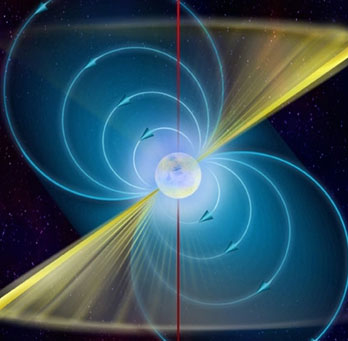
Dark stars - super-condensed neutron stars - also known as the most special Physics labs in the universe. These super-celestial studies have been awarded two Nobel prize…

Scientists from the European Atomic Research Organization say they have discovered a type of particle that can move faster than light.