
Animal world
The rules to remember before you want to breed cats and dogs
As a rule, dog owners wish they could reproduce, give birth to
Browse ScienceInfo articles and explainers related to Reproduce.
76 published items.
As a rule, dog owners wish they could reproduce, give birth to
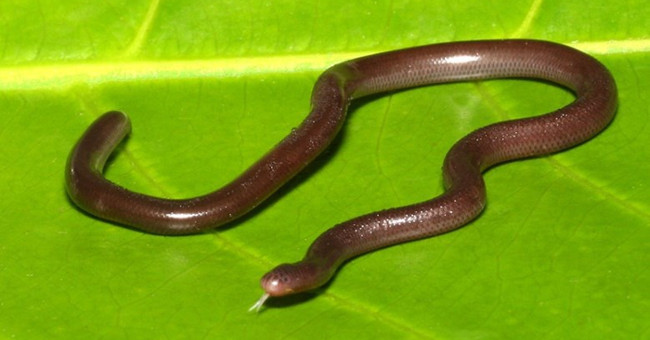
Worm snakes have many characteristics of earthworms but this is a true snake with all the characteristics of solid structure.
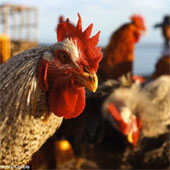
The results of the study of the ability to reproduce sound-recognizing cells after hearing loss in chickens raise hope for the birth of a method of reversing deafness in…

Spanish scientists expressed their ambition to reproduce asexual species of extinct mountain goats by utilizing frozen cells collected from the last individual when it w…
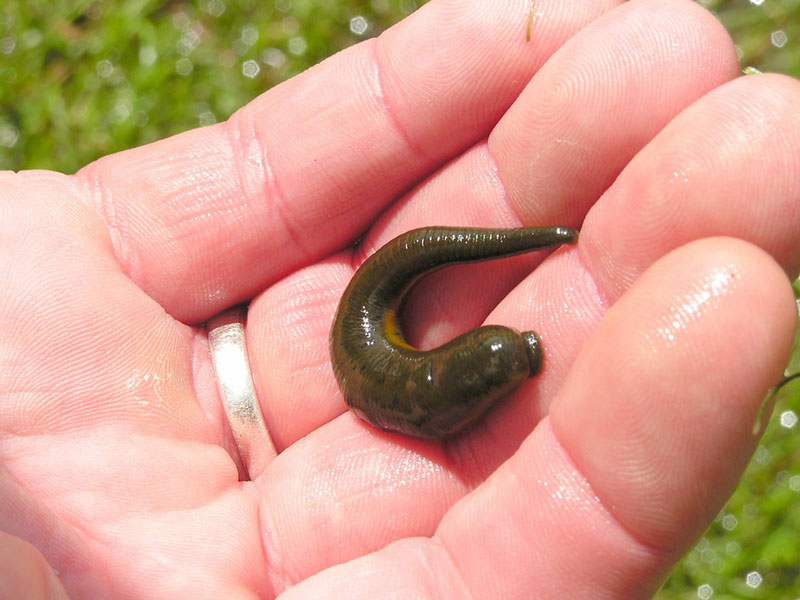
With the ability to reproduce very quickly, leeches can have huge consequences for the ecological environment and human health. Exterminating this specie is not easy.
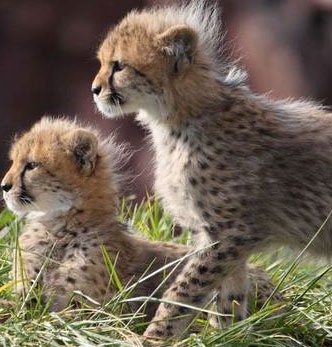
The Smithsonian Institute for Biological Conservation (SCBI) at Front Royal found that the eggs of cheetahs are older (more than 8 years) good, allowing fertilization an…
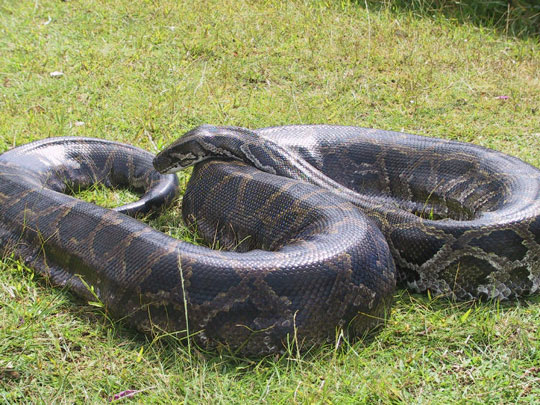
The US scientists have discovered the ability to reproduce monoculture of the female of the python species growing in the Americas.

In the animal world, sparkling colors or gimmicky action are like ads to attract you to mate. But what do those ads really promise, and what percentage can be trusted?

In the swamps of eastern England, for the first time in 400 years, the cranes returned to live and reproduce. According to the Royal Bird Protection Association (RSPB),…

The world's first cloned cat has become a mother without the need for in vitro fertilization. According to scientists, all four are healthy.
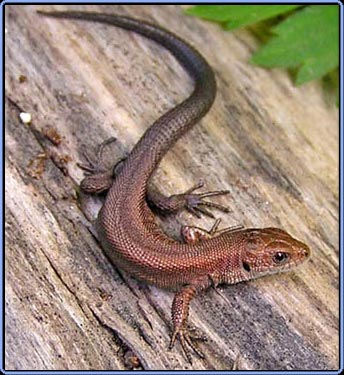
Researchers at Scripps Research Institute in San Diego, California (USA) have discovered that myoseverine - a molecule - when reversed cell differentiation will play a f…
In Cam Ranh sea, Khanh Hoa province, Ky Nham - wild reptiles in hot sand areas are helping many households here have a stable source of income.
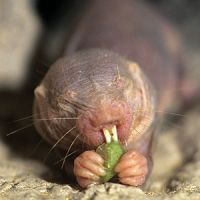
The African hairless mole (scientific name Heterocephalus glaber) is very small but can live for 26 years or more, and the most special thing is that they can still repr…

These findings firmly confirm previous studies that Zika virus can reproduce in the brain of fetuses and placenta.
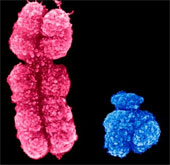
Through mouse experiments, US scientists found that males can still reproduce even though most genes are removed on the Y chromosome.