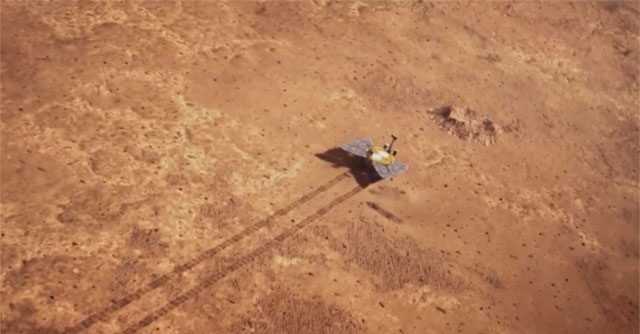
Conquer Mars
How does the Chinese robot cope with the Martian winter?
Engineers have prepared many measures to help the robot Chuc Dung overcome the 6-month long Martian winter, many sandstorms with a temperature of -100 degrees Celsius.
Browse ScienceInfo articles and explainers related to Robotic Technology.
55 published items.
Engineers have prepared many measures to help the robot Chuc Dung overcome the 6-month long Martian winter, many sandstorms with a temperature of -100 degrees Celsius.

The robot has a strange design, although it is only 30 cm long, but can jump 100 times its own height.
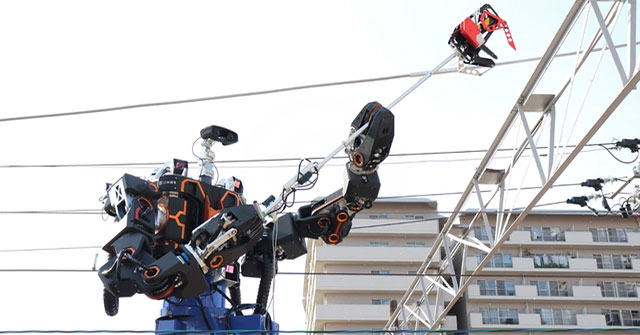
In the field of robot manufacturing, Japan has always been a force that many other countries have to respect. And recently, they continue to prove this, when the railway…
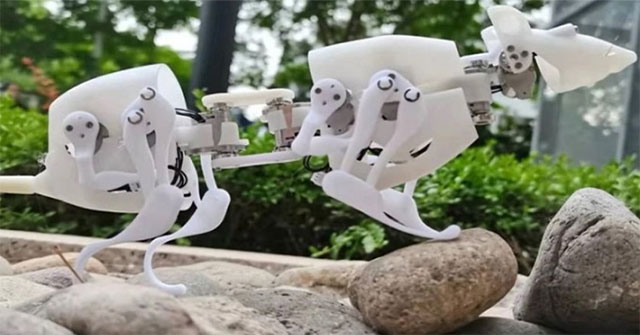
The research team from China designed a robot model based on the size, shape and ability of a real mouse to wriggle to aid in search and rescue or exploration.
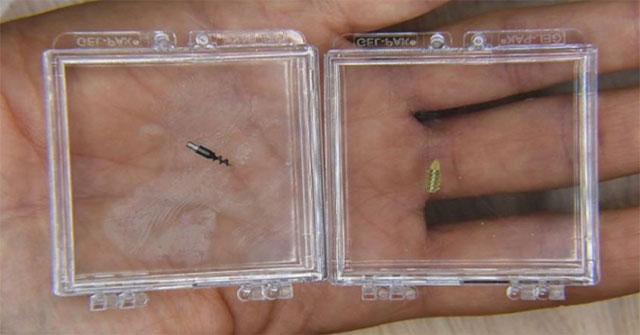
An Australian startup is about to send microscopic robots deep into the human skull to treat brain diseases like Dandy-Walker syndrome and gliomas.
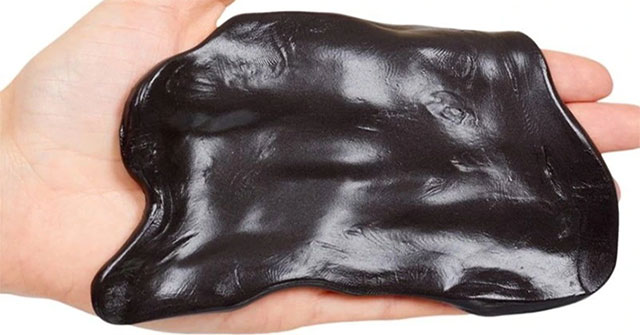
The mucus can be manipulated with a magnetic field, which helps it navigate through tight spaces and is especially ideal for picking up small objects inside the human bo…
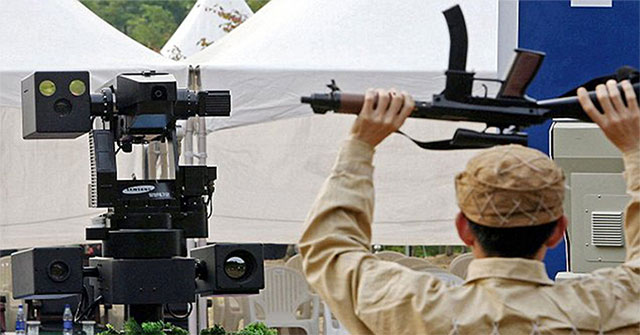
The machine has the ability to detect targets, warn with loudspeakers, shoot rubber bullets and fire live bullets.

What if there was a magical robot with the ability to cure any disease? That is a silly question.
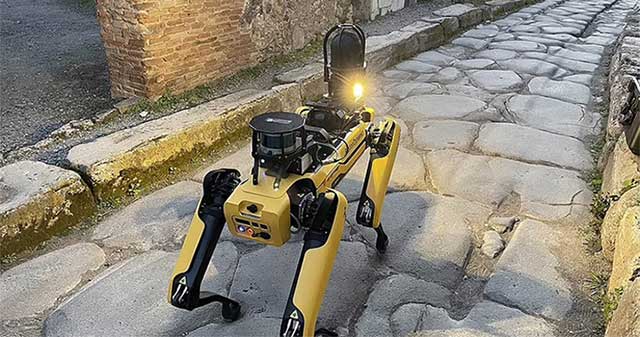
Pompeii Archaeological Park has 'recruited' a 4-legged robot to patrol the streets and tunnels of this ancient Italian city to scare away antiquities poachers.

In a recent interview with Mathias Döpfner, Elon Musk suggested that humans can upload their memories and personalities to Optimus - the robot developed by Tesla.
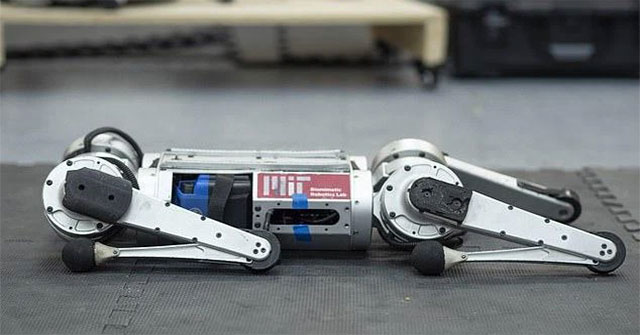
Thanks to 'learning', the MIT Institute's new robot has taught itself to run to continuously break its own personal best pace.

China's Mars rover sends back to Earth a new selfie, showing a dusty surface and long rear wheel tracks.

In the future, Chinese astronauts can control the robotic arm of the Tiangong space station with brain waves with 99% accuracy.
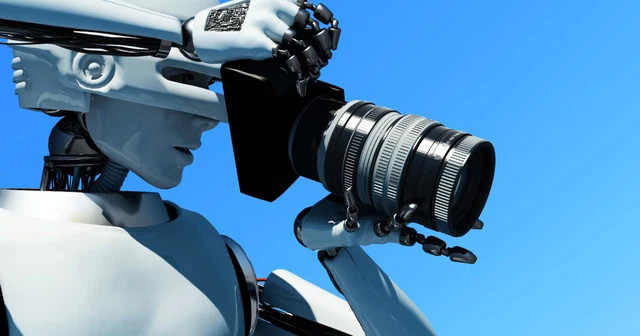
A robot that knows how to take pictures is too often, this robot knows how to take the best photos.
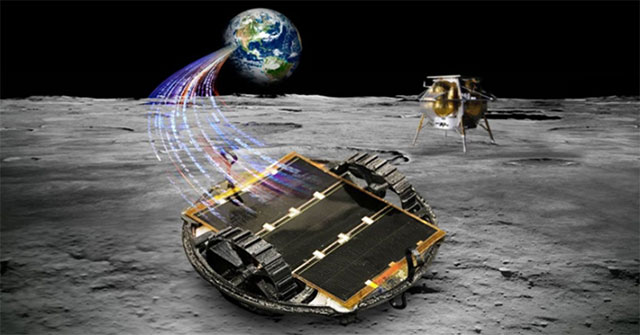
Five thin disc-like robots, 12 centimeters in diameter with two wheels, will launch into space this year to study the lunar surface.