Life
More suspicion of Covid-19 virus leaking from the laboratory
New research from the University of New South Wales, Australia concludes that the SARS-CoV-2 virus originated in a laboratory, once again raising controversy about the o…
Browse ScienceInfo articles and explainers related to Sars.
128 published items.
New research from the University of New South Wales, Australia concludes that the SARS-CoV-2 virus originated in a laboratory, once again raising controversy about the o…
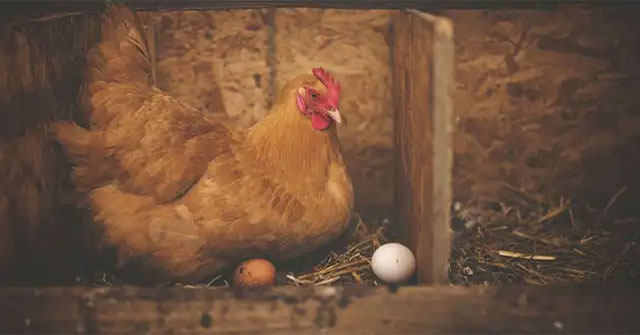
Eggs from chickens raised at a US university contain high levels of antibodies, which can be used to treat or help prevent Covid-19 infection.

The surprising compounds in green tea have both the ability to cause the SARS-CoV-2 virus to die prematurely and fight a series of dangerous damage that this virus can c…
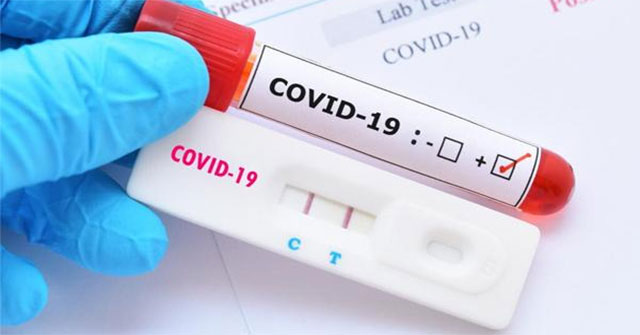
A team of authors are testing a therapy that floods the body with 'cells' that lure viruses away from healthy cells.
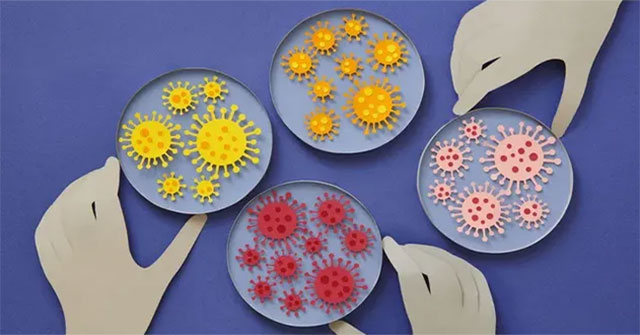
Deltacron - the genetic makeup of this new recombinant version of SARS-CoV-2 makes vaccine experts think it won't pose much of a threat.

A strange phenomenon occurs during the Covid-19 pandemic: some people, despite being in close contact with a positive case, are not infected.
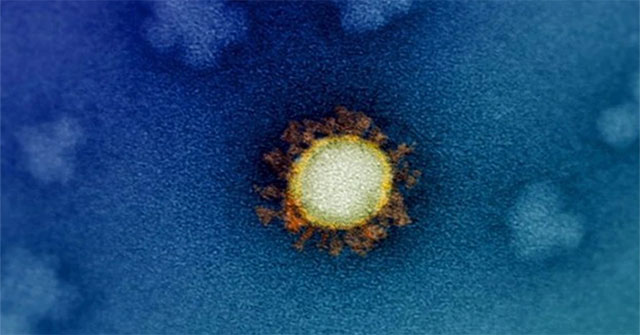
According to scientists, part of the success of this virus strain is its constant self-renewal, which is reflected in the rate of reproduction of a series of new variant…

Canadian researchers say they have detected the first case of deer spreading the SARS-CoV-2 virus to humans.
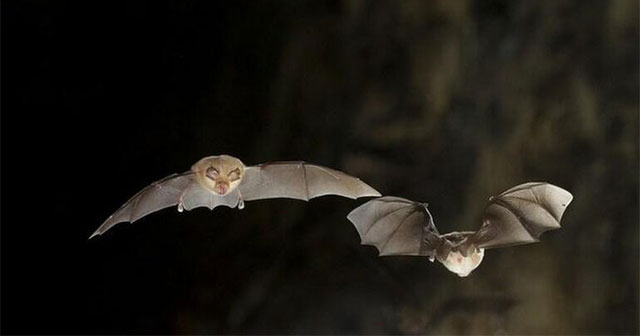
Scientists have just discovered three new viruses in bats in the north of Laos, with genomes similar to the SARS-CoV-2 virus that can infect humans.
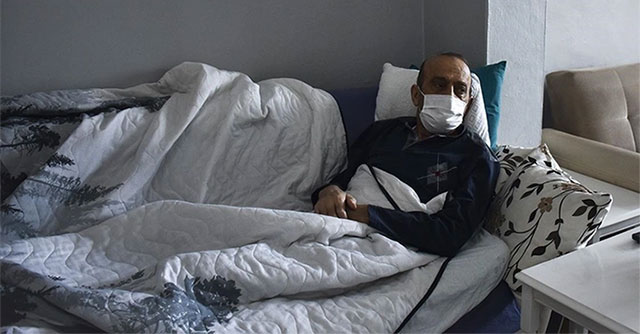
A 56-year-old man from Turkey has lived in isolation for 14 months, continuously testing positive for SARS-CoV-2 no less than 78 times since being infected in November 2…
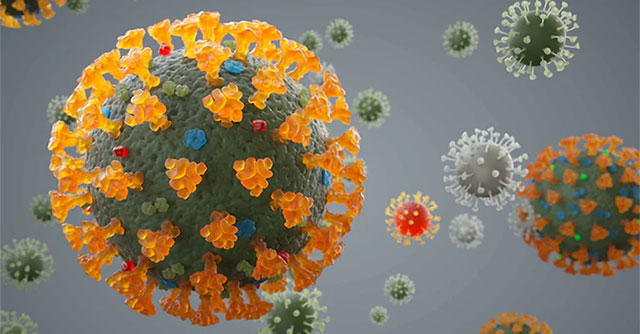
The World Health Organization (WHO) has spoken out about the variant of the SARS-CoV-2 virus, called IHU or B.1.640.2, first detected in France at the end of 2021.
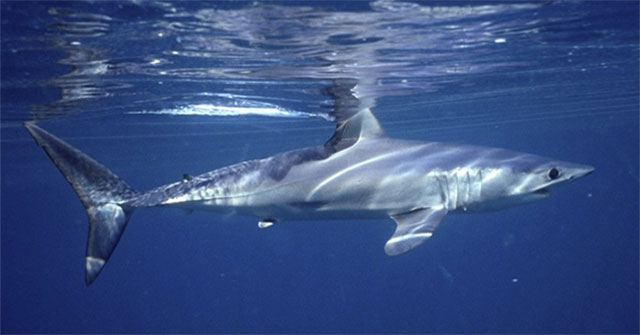
A new study shows that antibody-like proteins found in the immune system of sharks can block the SARS-CoV-2 virus and variants.
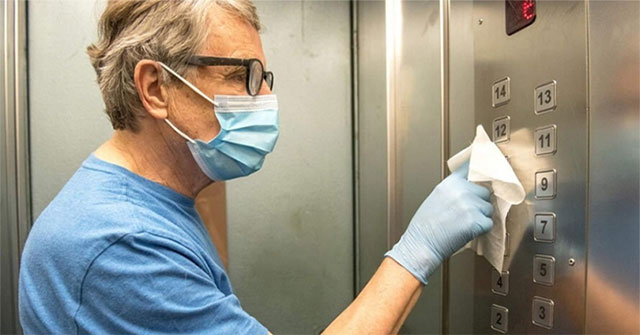
Researchers in Hong Kong (China) announced the development of the world's first stainless steel that can kill the SARS-CoV-2 virus in a few hours.

A type of gum containing a protein that 'traps' the SARS-CoV-2 virus will limit the amount of virus in saliva, thereby preventing the spread of pathogens when talking or…
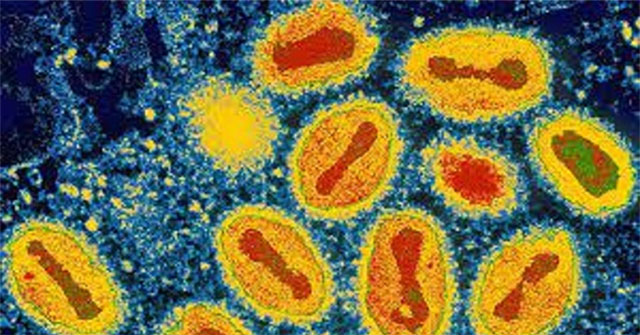
Scientists are just beginning to understand why some viruses disappear, while others cause epidemics that last for centuries.