
Discover science
Physics Professor Explains the Possibility of Life After Humans Leave This World
Is there life after humans leave this world? What do scientists say about this possibility?
Browse ScienceInfo articles and explainers related to Say.
916 published items.
Is there life after humans leave this world? What do scientists say about this possibility?
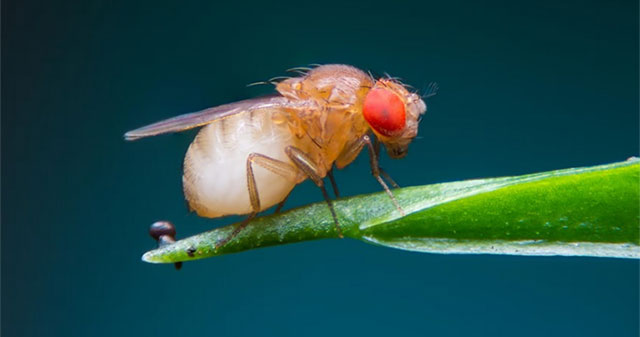
Researchers say that not only humans use alcoholic beverages, but even wild animals are 'tired' because alcohol is available in nature, originating from fermented fruits…

Experts say cutting down on ultra-processed foods and increasing plant proteins or fruits can help reduce the risk of cancer.

Researchers say this fish species, scientifically named Opsariichthys rubriventris, is distinguished by several characteristics, such as having 13 - 14 scales on its bac…

After decades of limited success, scientists say their research is reaching a turning point, with many predicting cancer vaccines within the next five years.
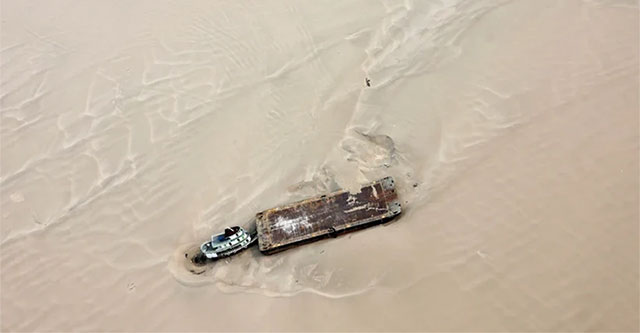
Environmentalists say climate change and global warming are not only drying up rivers in the Amazon but also causing unprecedented wildfires, destroying the parched vege…

NASA scientists say Earth will have
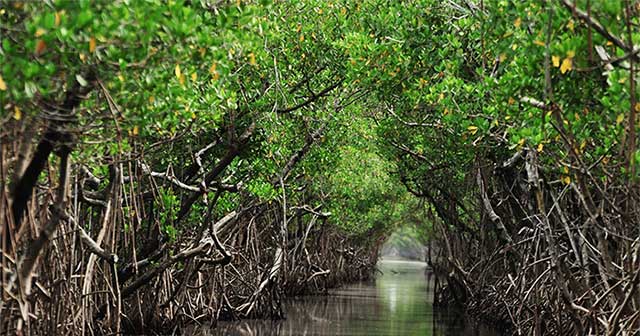
Science has confirmed that plants can communicate, but understanding what they say is incredibly interesting.

Many experts say that climate change makes countries in the Southeast Asian region face more risks stemming from sinkholes.

Experts say 360-degree flips in mid-air by large passenger aircraft require pilots to have piloting skills.

Scientists say human urine can be recycled into extremely good fertilizer for plants at a very low cost.

This root is not only a 'medicine' to increase immunity during the changing seasons but also helps regulate blood sugar and prevent colon cancer.
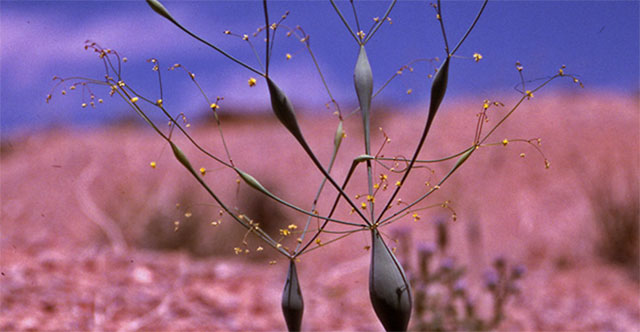
In history, there have been many records documenting the correlation between plants and soil containing minerals.

When traveling to the countries below, you should pay attention to the toasting customs of the natives.

Writing in The Conversation, professor Enzo Palombo, a microbiology expert at Swinburne University of Technology (Australia), explained the