
Animal world
Track migratory birds via electronic cards
Every year, the Manx seabirds often have a journey of up to 20,000 km.
Browse ScienceInfo articles and explainers related to Seabird.
49 published items.
Every year, the Manx seabirds often have a journey of up to 20,000 km.
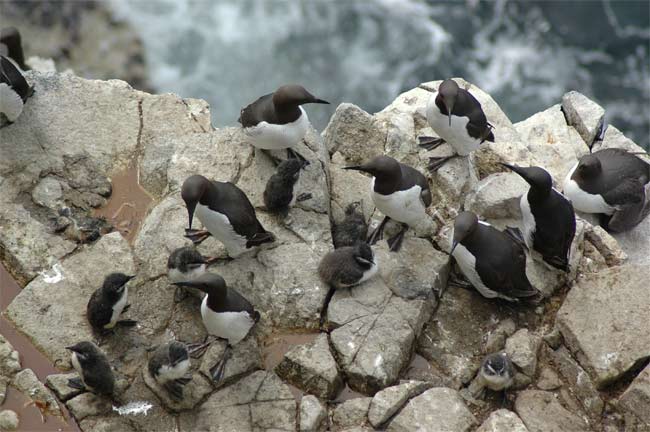
One study recorded brutal attacks on seabirds. Adult birds violently attack young birds in nearby nests, sometimes young birds are sometimes slaughtered to death and thr…
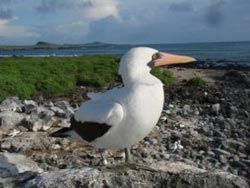
The Nazca dove - a seabird that lives on the Galápagos Island - came out ready to kill its siblings when it was removed. Biologists at Wake Forest University and colleag…
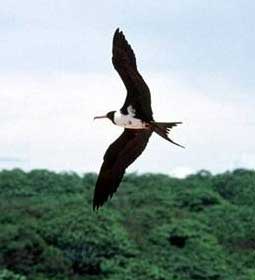
A Christmas island frigate named Lydia recently flew for 26 days over a distance of more than 4,000 km - across Indonesian volcanoes and some of Asia's busiest maritime…
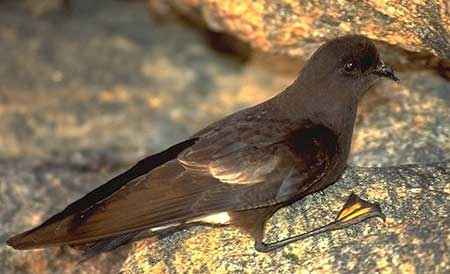
Wilson leisurely birds are named after the anthropologist Alexander Wilson (1766 - 1813). They belong to the type of Petrel bird
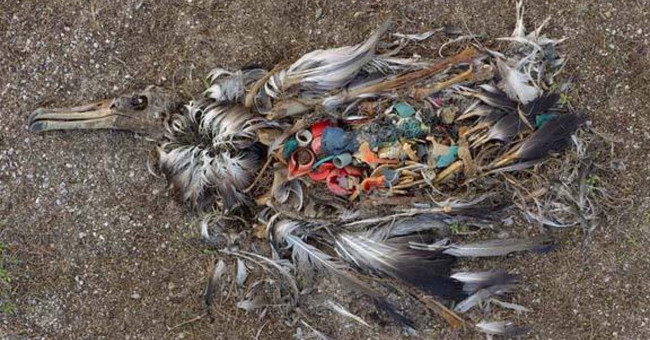
Midway Atoll, a remote Pacific island is showing us a horrifying scene after the death of seabirds.
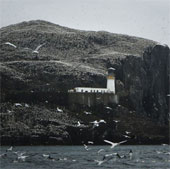
In the breeding season, hundreds of thousands of sea urchins often return to Bass Rock Island, making it one of the largest concentration places in the world.
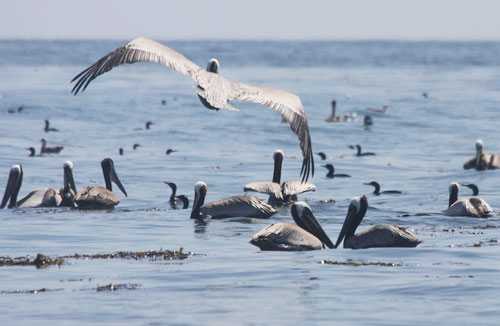
It took 18 years to study the number of birds living on the Great Barrier reef, scientists have discovered a predictable law of El Nino.
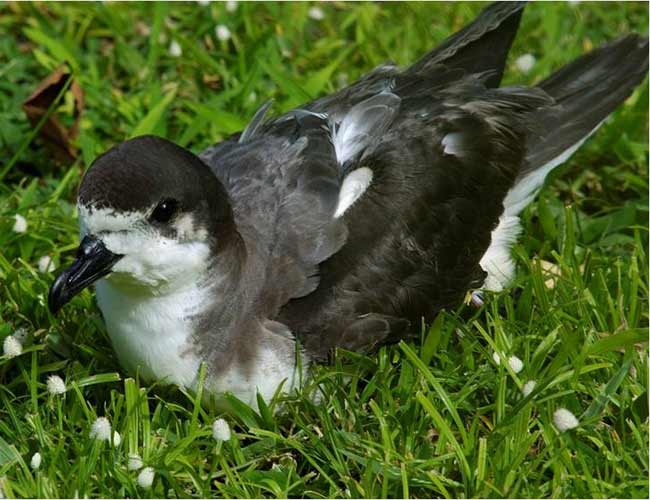
After the interview with zoologist professor Peggy Ostrom, she mentioned her next project about the endangered seabird in Hawaii.
The Arctic snowy ice area is probably the only place on Earth that is contaminated with agents not caused by humans but by ... sea birds, especially Arctic seagulls.
Scientists from Sheffied University in the UK announced that oil spills and climate change are the two main causes of increased mortality of British seabirds.

Anh Guardian newspaper on March 26 introduced funny and lovely smiles of animals.
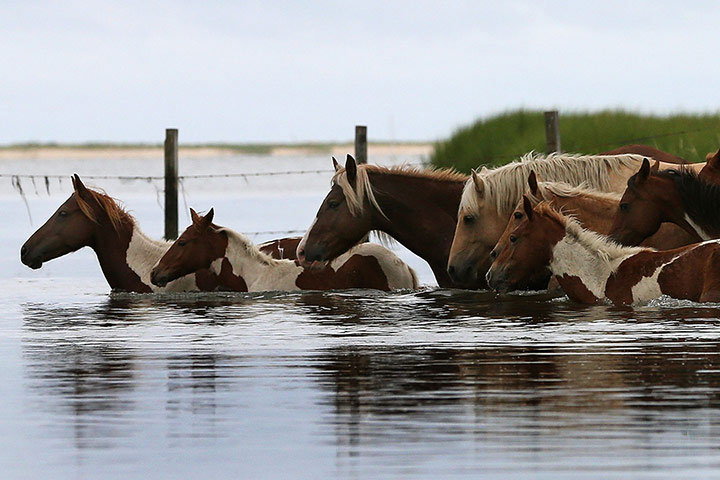
Love seabirds snuggle together, horses cross the river, migratory swallows, crossroads and monkeys cooperate to destroy traps ... are the most impressive animal images l…
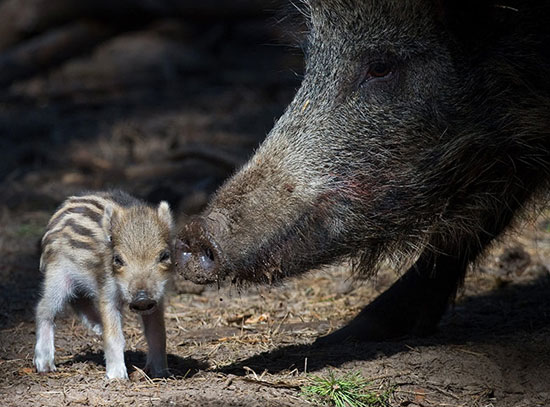
Seabirds steal tree branches to build nests, cherry blossoms bloom in Washington, corn finches eat seeds, ... are the most impressive natural images in the past week.

The scarce food forces the polar bear to climb the dangerous cliffs to catch young birds and eggs.