Space science
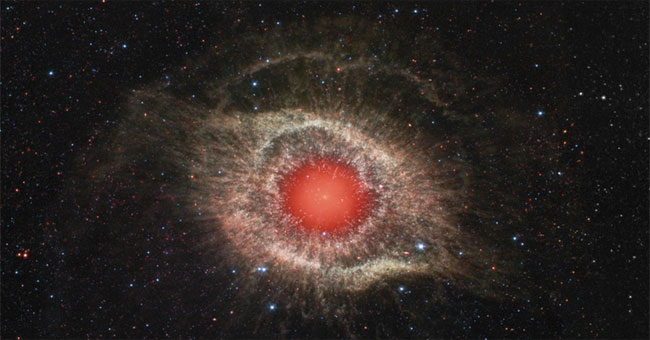
The nebula is like a giant crimson eye in the universe
The bright red eye nebula image is in the sights of the Spitzer space telescope of the US Aerospace Agency.
Browse ScienceInfo articles and explainers related to Sight.
212 published items.
The bright red eye nebula image is in the sights of the Spitzer space telescope of the US Aerospace Agency.
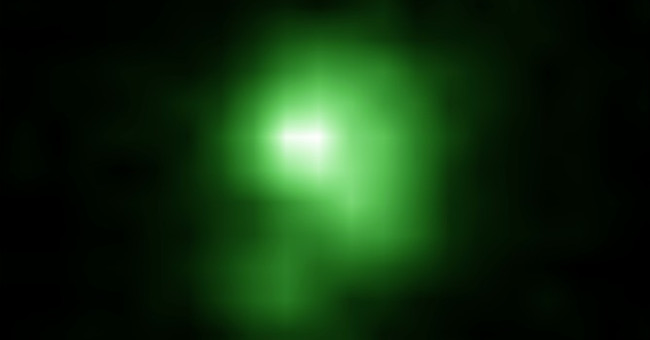
Hubble Space Telescope has just caught sight of a compact planet called J0925. A new planet is like a newly discovered green pea.
Europe's Rosetta cruise ship has captured the first image of the target comet, since it was awakened from sleep.
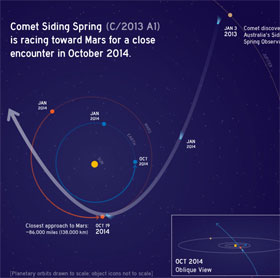
The US Aeronautics and Space Administration (NASA) has deployed a plan to observe a comet as it passes by Mars in October this year, about 10 times closer than any comet…

If you look at the sun on January 2, you will probably find it bigger than normal, because that is the day when the earth reaches a near-daily point in orbit in 2013.
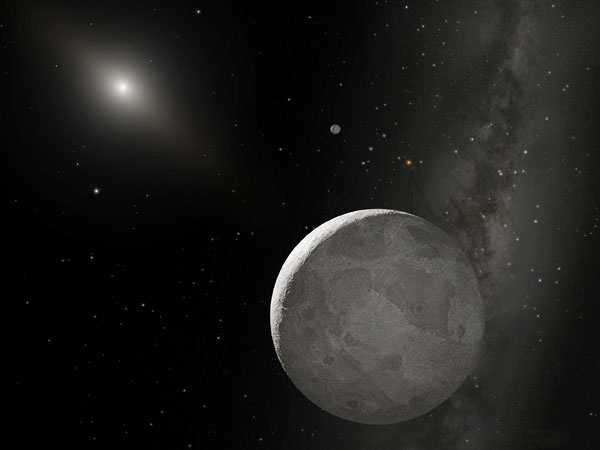
At a distance too far to be caught in the sights of earth-glass telescopes, planet X can create gravitational forces acting on icy celestial bodies passing by Neptune, h…
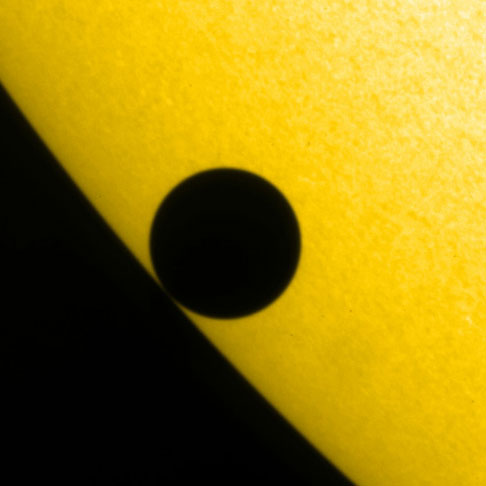
In June astronomers will have the opportunity to admire the sight of Venus gliding across the sun. The same event will only happen after more than a century.

Recent research by NASA (US Aeronautics and Space Agency) shows that working in space can harm the eyes, reducing astronaut vision.
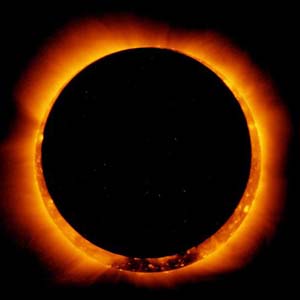
The sight of the moon covered the sun, creating something like a giant ring of fire as one of the impressive astronomical images appearing on newspapers this week.
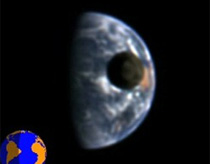
Located 31 million miles from the earth, NASA's Deep Impact spacecraft pointed the lens at our planet at the time the moon passed.
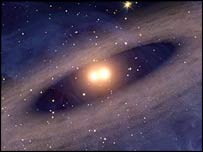
The sight of the two suns on a planet is not only on movies. NASA has found that number of binary systems is as much as our single system. NASA's Sptitzer Space Telescop…

On February 18, 2003, astronauts on the ISS International Space Station saw a beautiful sight: These are noctilucent clouds, or night clouds, which are long in shape.
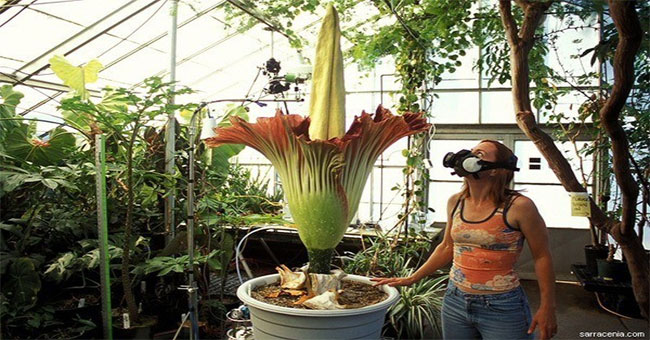
Just recently, the New York City Botanical Garden (NYBG), the US has revealed information that made many Americans extremely excited.
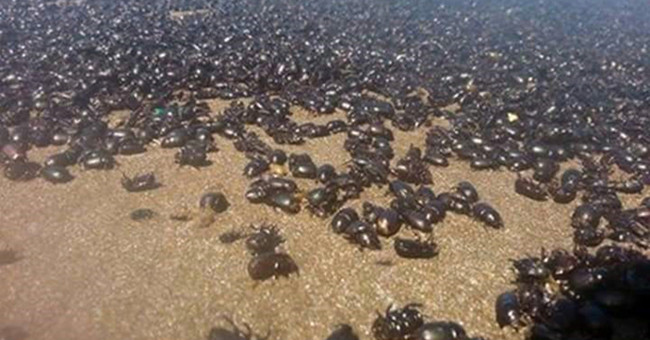
Tourists and locals were horrified by the sight of hundreds of millions of beetles gathering around the Argentine coastline.
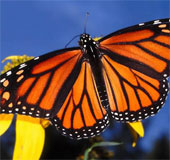
Monarch butterflies are also called monarch butterflies. They have the scientific name Danaus plexippus. This is the most present butterfly in North America.