Science story
The life of a Nobel laureate is boycotted by employees
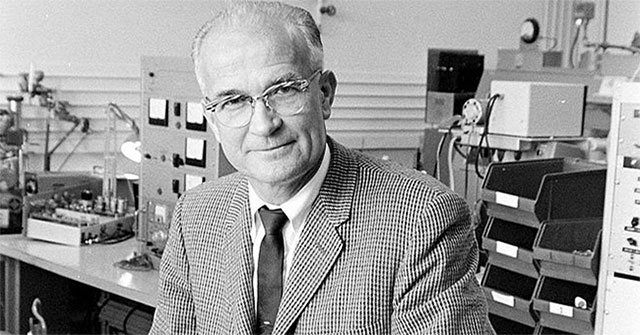
William Shockley won the Nobel Prize but was named the worst leader in Silicon Valley, hated and ended his life in solitude.
Browse ScienceInfo articles and explainers related to Silicon.
176 published items.
William Shockley won the Nobel Prize but was named the worst leader in Silicon Valley, hated and ended his life in solitude.
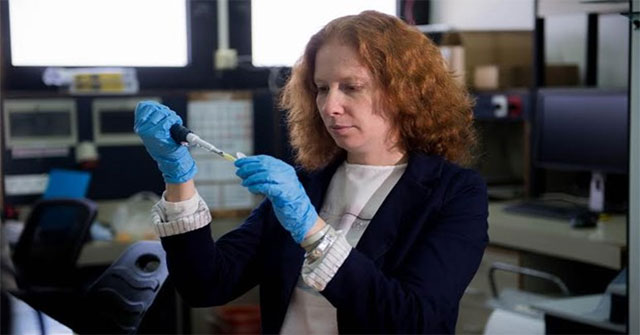
The Israeli Institute of Technology (Technion) said on November 17 that Israeli researchers have developed a new technology to inject drugs directly into the brain for A…

The sun emits a lot of energy. Currently, many countries exploit this energy source to gradually replace other sources.
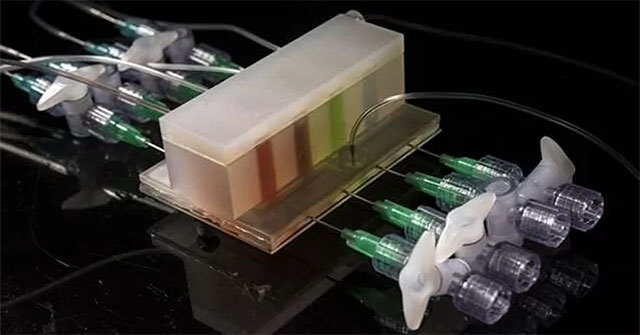
The artificial gut model consists of 2 rectangular sheets made of absorbent silicon rubber and other resins, such as polystyrene.
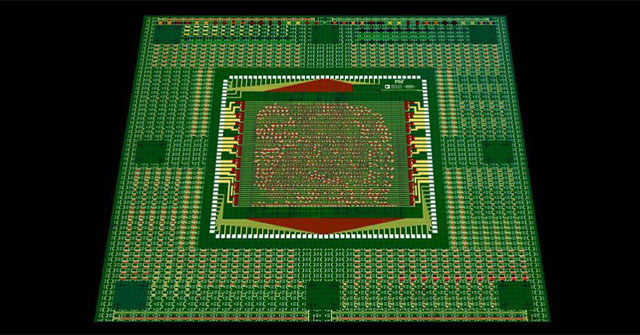
In theory, with higher performance and more efficient use of energy, we expect it will replace silicon chips.
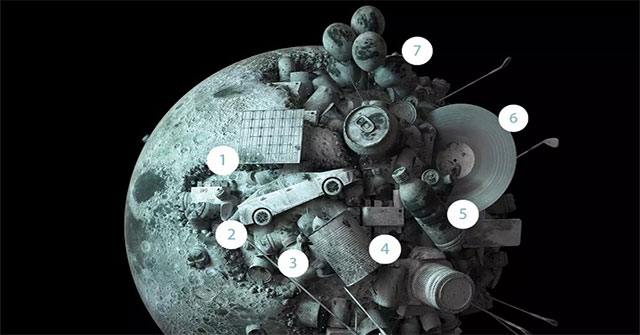
'Explore the Moon': from an adventure to a piece of money-making cake.

Anker Powerport Atom PD1 is the world's smallest 30W charger to date and the secret to having such an amazingly small size lies in the new material instead of silicon: g…
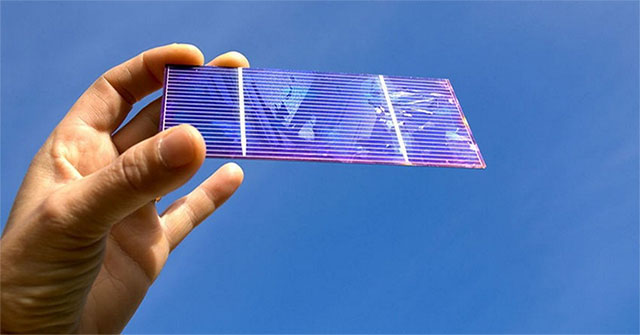
By combining the perovskite with traditional silicon batteries, engineers have increased the efficiency of solar cells.
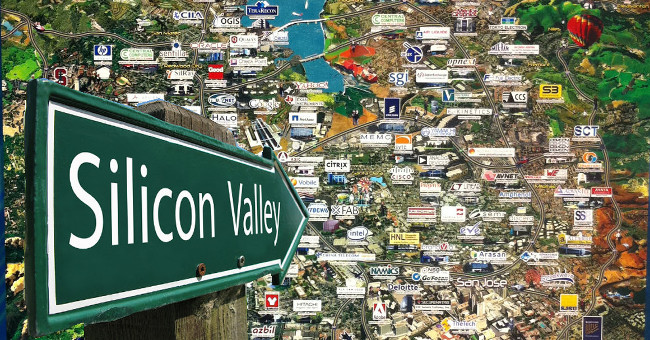
Silicon Valley is the term used to refer to high tech businesses.

Thanks to advanced technology, scientists have come up with these

The main component of sand is silicon dioxide (SiO2) with a melting temperature of up to about 1,650oC and a boiling temperature of about 2.230oC, thus having a great ab…
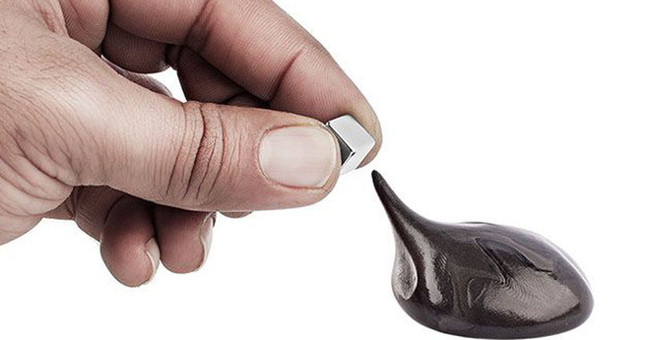
Speaking of toys of 9x generation, it is impossible not to mention Silly Putty. The rain made the same time as the Tamagotchi furbies and 'virtual chicken'.
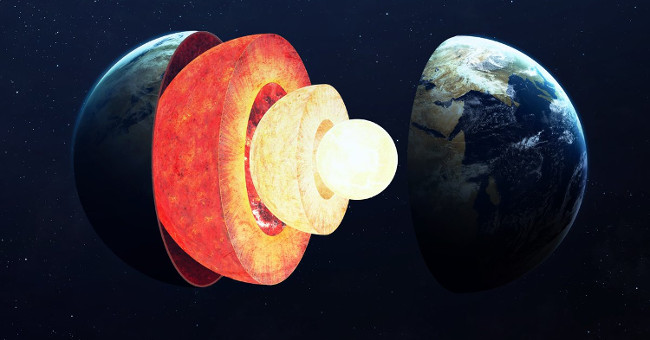
After years of searching, scientists finally found the mysterious factor in the structure of the Earth's core.
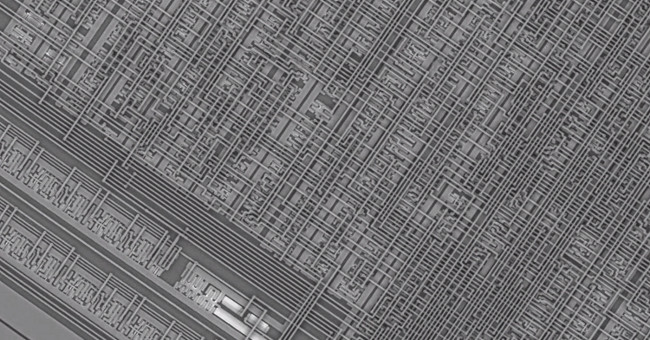
With so many transistors, why do we rarely hear about transistor cases, or processor chips that have damaged transistors inside.

The kilogram (kg) has been used as a standard mass measurement since the French revolution, based on the exact mass of a metal block being stored in Paris.