Health
Building a micro robot to help treat tumors
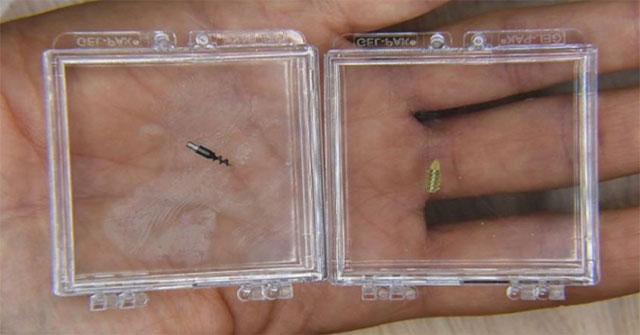
An Australian startup is about to send microscopic robots deep into the human skull to treat brain diseases like Dandy-Walker syndrome and gliomas.
Browse ScienceInfo articles and explainers related to Skull.
388 published items.
An Australian startup is about to send microscopic robots deep into the human skull to treat brain diseases like Dandy-Walker syndrome and gliomas.
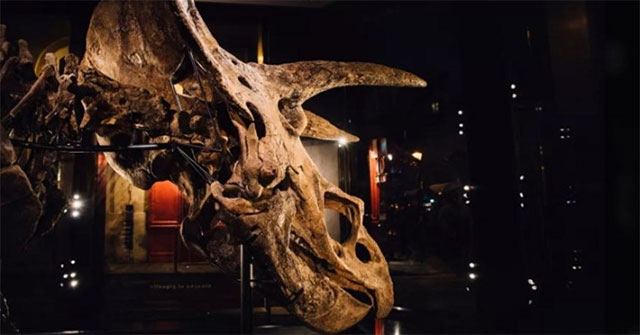
The fierce battle with the opponent caused Big John, the largest 3-horned dinosaur specimen ever found, to have a keyhole-shaped puncture in the frill.
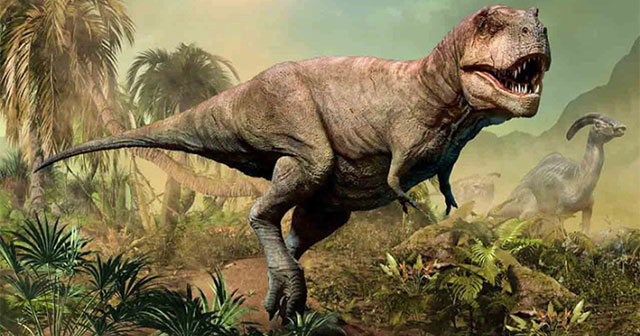
New research suggests that the T-rex's short arms were an evolutionary way to reduce their risk of injury when hunting.
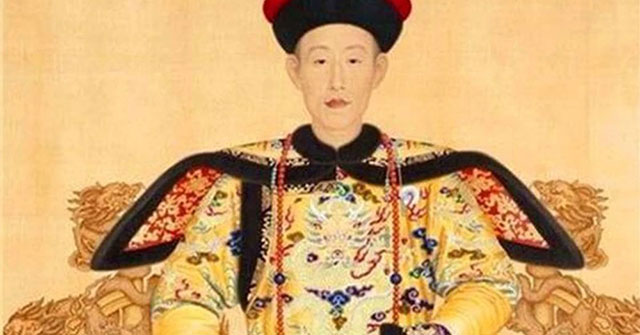
Why did a powerful emperor like Qianlong suffer such a 'catastrophic' situation after his death?
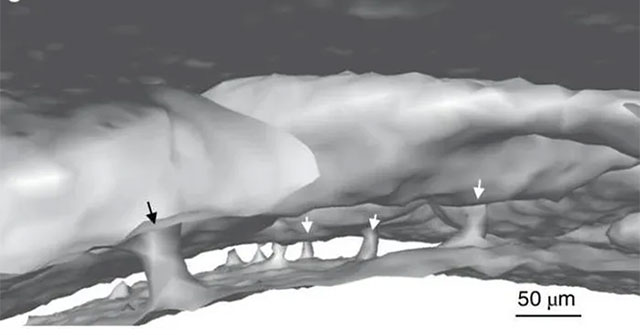
Research just published in the journal Nature Neurosience has discovered tunnel-like structures connecting the human skull and meninges, as well as its unexpected functi…
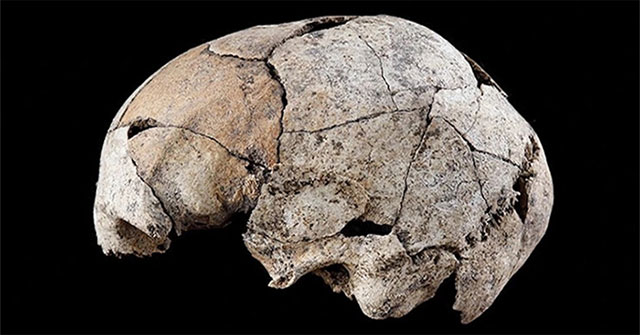
Recently, archaeologists in Spain have discovered the earliest evidence of ear surgery performed on humans.

Thousands of years of dependence on humans has caused the cat's brain to shrink, a new study finds.
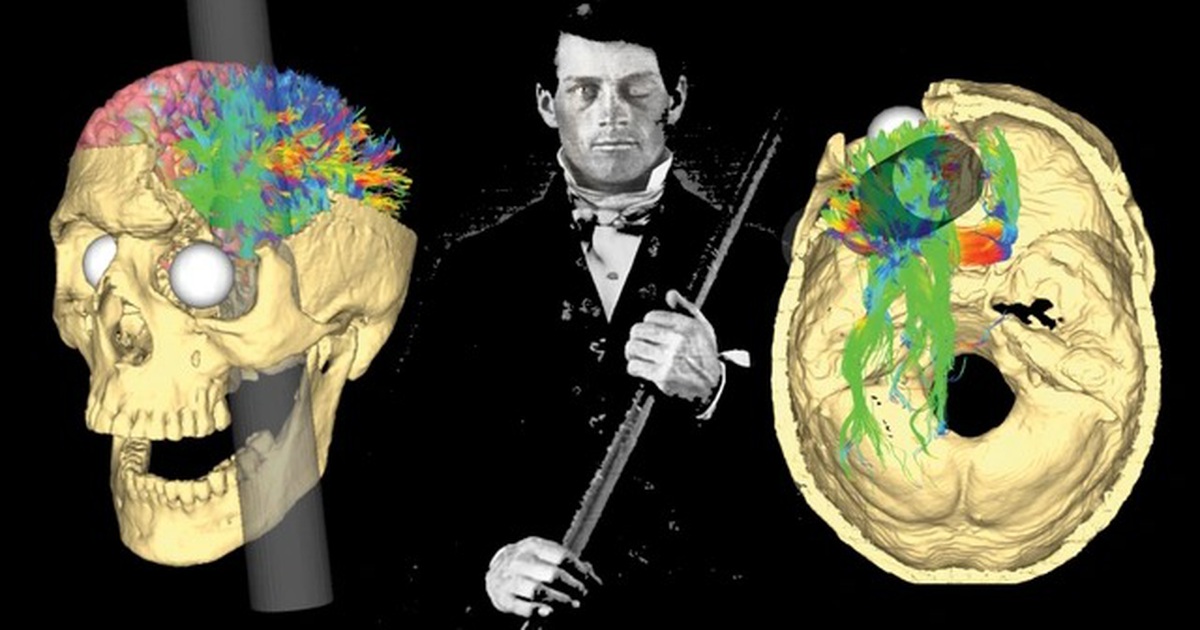
After Phineas P. Gage pulled an iron rod through his skull in 1848, his personality changed dramatically and his accident helped give birth to modern neuroscience.
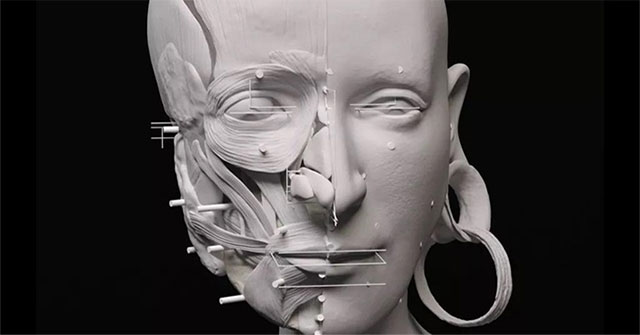
The biggest challenge with this facial reconstruction is that the upper part of a woman's skull hasn't survived through the ages.

During the excavation of ancient tombs related to the Xiongnu, experts discovered 68 large braids. From here, the creepy secret is revealed.
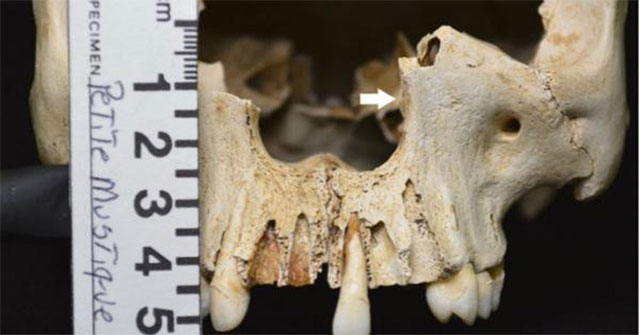
An uninhabited island with many irregular skull fragments in the middle of the Caribbean Sea has intrigued archaeologists. The island is named Petite Musique, nicknamed…
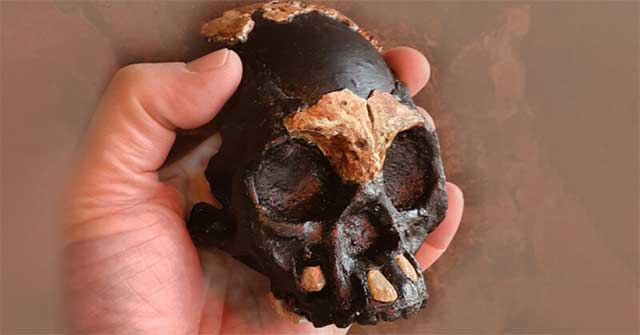
Scientists have successfully recreated the skull named Leti, which is the only complete skull representing the mysterious extinct Homo naledi species, approximately the…
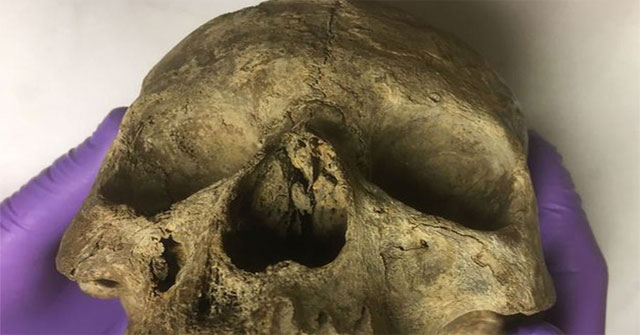
Greta or England's Eve was once thought to be the oldest skull ever unearthed in England, considered an archaeological treasure throughout the decades.
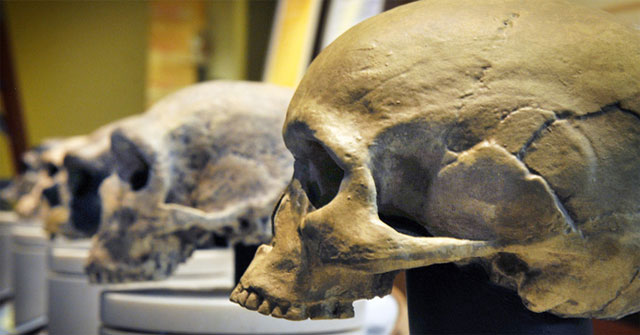
Data from 985 human fossils and some modern individuals show that during the Pleistocene, the human brain used to be at its maximum size, but suddenly became smaller in…
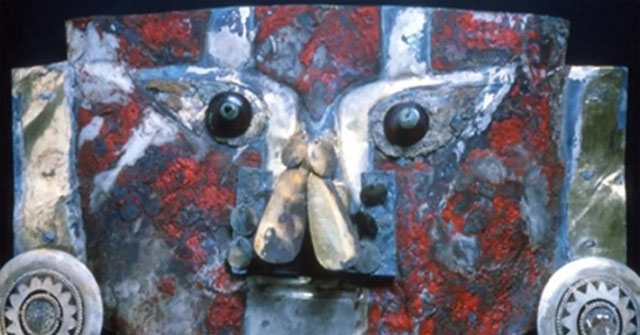
The ancient mask placed on the skull uses human blood, contributing to expressing the tomb owner's wish for rebirth.