
Cancer
Men who smoke should not use high dose vitamin B
For a long time, vitamins B6 and B12 have been advertised by pharmaceutical companies as supplements to boost energy, improve metabolism, and are even thought to reduce…
Browse ScienceInfo articles and explainers related to Smoker.
105 published items.
For a long time, vitamins B6 and B12 have been advertised by pharmaceutical companies as supplements to boost energy, improve metabolism, and are even thought to reduce…
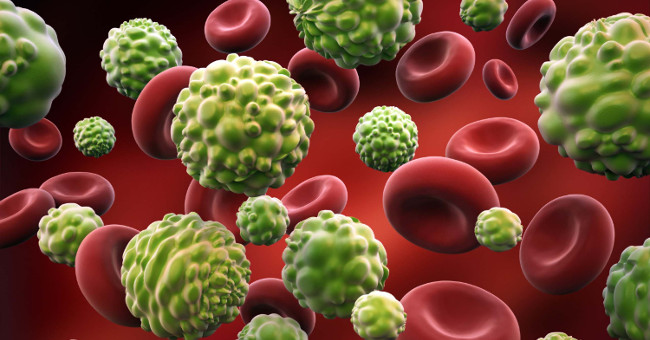
American scientists discovered seven more substances that could lead to cancer, bringing the total number of human carcinogens to 248.

Tobacco is the leading cause of lung cancer. But about 20% of people who die from lung cancer have never smoked.

Lung cancer is the leading cause of cancer death, common in the age of 45 to 70.
China's CCTV channel has just released a video recording the horrific destruction of the lungs caused by tobacco.
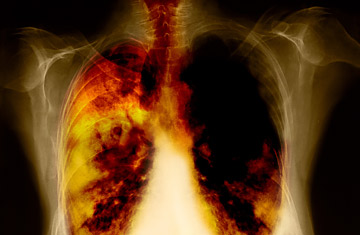
As a result of the National Lung Cancer Screening Trial, the use of effective CT scans in early screening for lung cancer in smokers ...

The research of Mayo Medical University scientists, USA, explains why people who never smoke still get lung cancer.

US scientists have discovered a way to inform high smokers about lung cancer risk by measuring changes in the windpipe.

Three separate studies demonstrate that smoking habits actually cause human genes to change.

According to Luong Ngoc Khue, Director of the Medical Examination Department (Ministry of Health), about 50% of adult men in our country smoke cigarettes (equivalent to…

Cancer researchers recently found that smokers and non-smokers with lung cancer actually have a different nature.

Anyone who has ever tried smoking can remember the feeling of smoking the first cigarette.
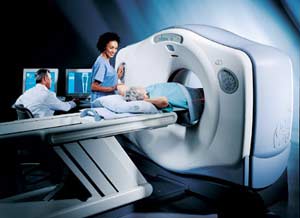
Regular screening of smokers' lungs with CT scan technology (computer x-ray scanner) will prevent lung cancer effectively and save many lives. It is confirmed by an Amer…
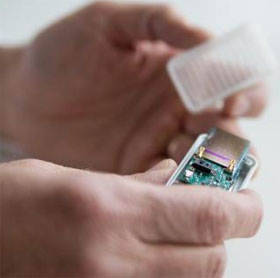
Dartmouth University's new device (USA) can immediately detect nicotine levels in the air that affect non-smokers.

A team at the University of New South Wales has created an electronic nose that detects smokers quickly and accurately.