
Scientific works
Operates China's largest solar telescope
Scientists on Tuesday said they have completed manufacturing and commissioning of the China Large Solar Telescope (CLST) in Sichuan.
Browse ScienceInfo articles and explainers related to Solar.
2,143 published items.
Scientists on Tuesday said they have completed manufacturing and commissioning of the China Large Solar Telescope (CLST) in Sichuan.

The imagination of the writer is infinite but sometimes the details in the works from many years ago come true that make people surprised.
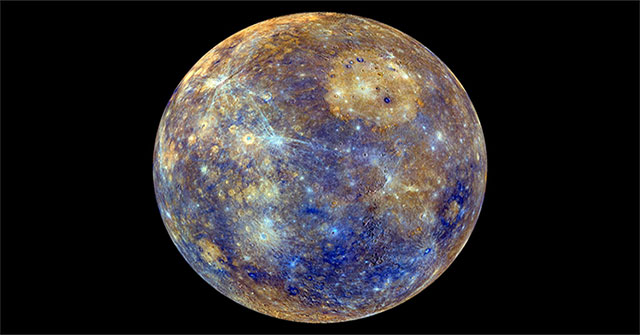
A new study measuring the average distance between planets found that the closest planet to Earth is not two neighbors of Venus or Mars.
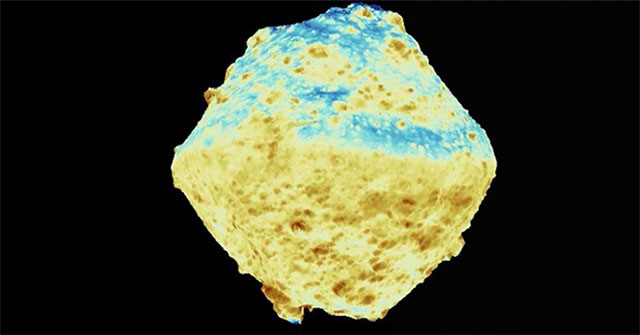
Data from Japan's Hayabusa2 spacecraft shows that the asteroid Ryugu is as highly porous as it is
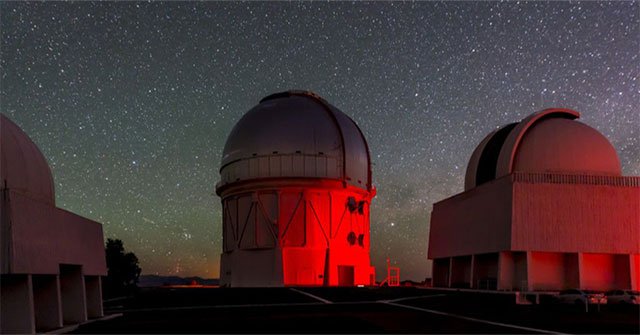
139 small planets, also known as microwaves, have been revealed in the dark region behind Neptune, which could be a clue to the ninth planet.
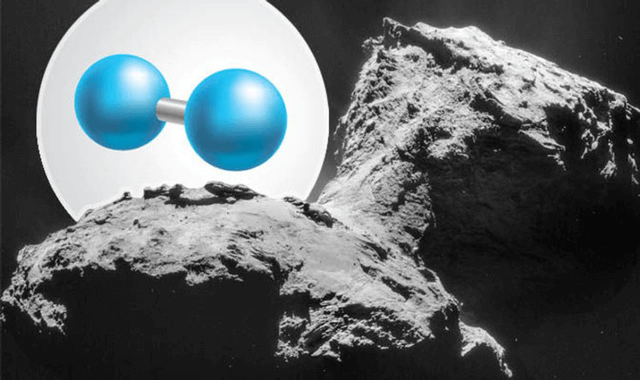
Researchers from the University of California, Riverside have developed a new technique that will use NASA's James Webb Space Telescope (JWST), scheduled to launch in 20…
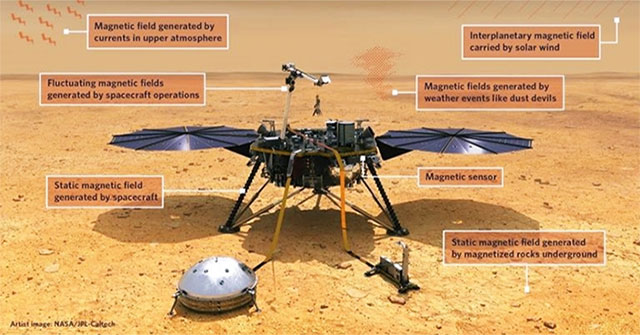
The Insight probe discovered that the Elysium Planitia plain north of the Martian equator has a magnetic field 10 times stronger than NASA's expected.
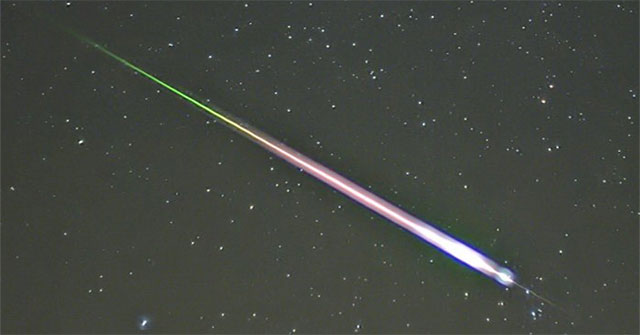
Acfer 086 meteorite found in Algeria was used by scientists using new analytical techniques, first found a protein in outer space.
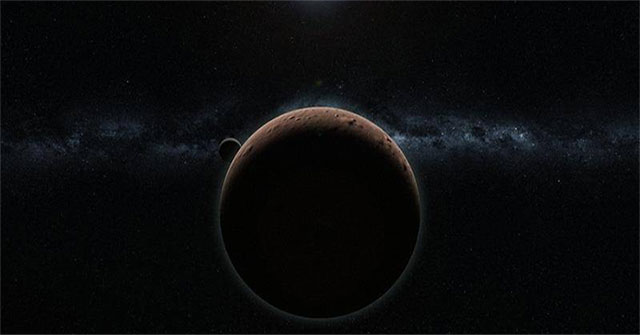
The International Astronomical Union (IAU) recently named a planet in the solar system after the Chinese water god Gonggong.
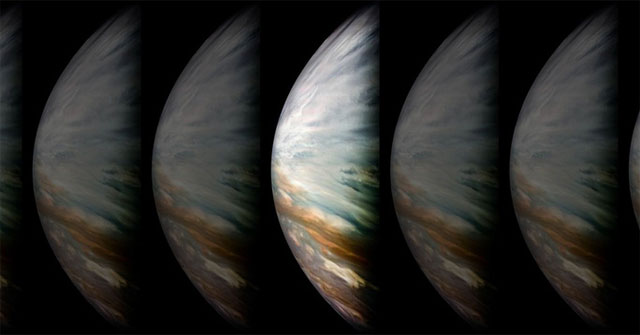
The gas giant, the oldest planet of the Solar System, has even more water in the atmosphere than water in the Earth's Arctic atmosphere.
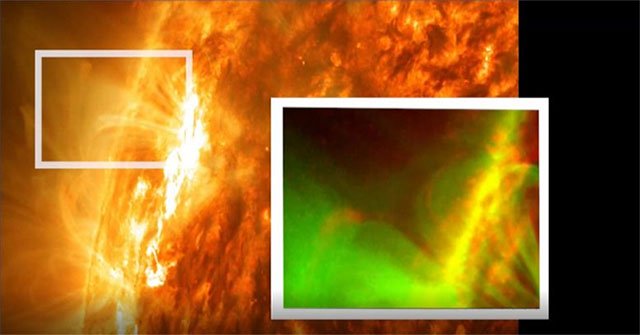
For the past decade, SDO has been focusing on observing the sun, studying how the sun works and spatial weather orientation for the entire Solar System, including the Ea…

These solar panels can work very well even in unfavorable weather conditions like cloudy or rainy weather.

Research on four NASA missions explores the mysteries of the solar system, launched in 2020 with a $ 3 million investment.
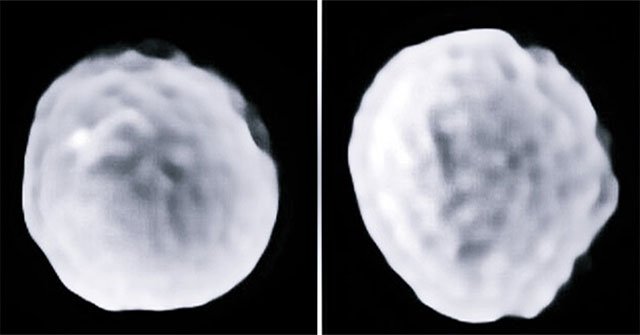
Pallas has countless giant craters on the surface due to collisions with other planets, causing it to warp like low-resolution golf balls.
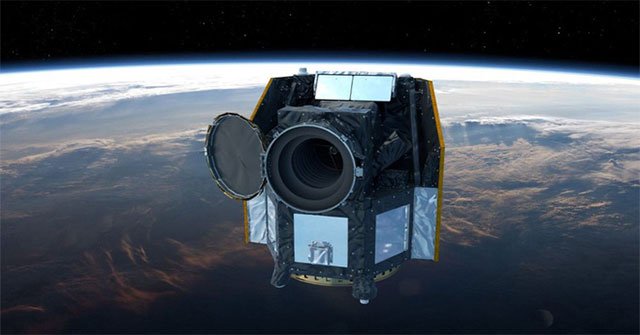
CHEOPS is the result of cooperation between the European Space Agency and the University of Bern.