
Discover science
Kuwait and things you may not know
Not only is the country famous for its prosperity, there are many interesting things about Kuwait that will surprise you.
Browse ScienceInfo articles and explainers related to Source.
1,325 published items.
Not only is the country famous for its prosperity, there are many interesting things about Kuwait that will surprise you.
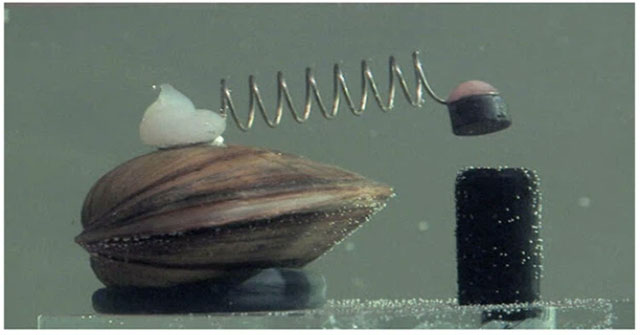
The whole water source of millions of people suddenly shrunk to the size of... 8 boys.

Like solar, wind energy is the fastest growing energy source in the United States, aiming to produce 20% of the electricity as wind power by 2030.
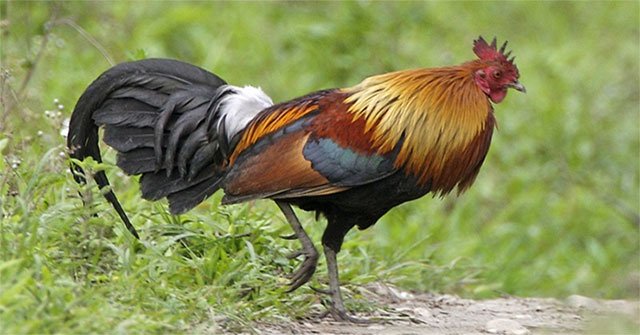
Chicken is the world's most popular animal, the largest source of animal protein for mankind.
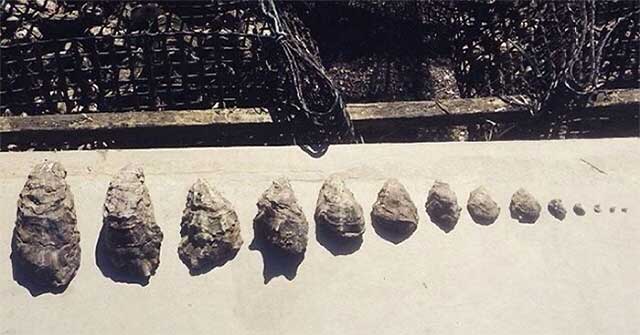
Social media users are sharing simple yet elaborate photos of the fruit's growth, the growth of flowers, and other interesting things that show the wonders of nature.

Legionnaires' disease can spread when you flush your toilet, spreading invisible 'beams' of water into the air.

According to researchers from Tel Aviv University, the electricity generated from the interaction between water and metal molecules can be used as an abundant and readil…

Using data from 17,000 faces on the Internet, scientists have taught AI to accurately detect faces thanks to basic brushstrokes.

Researchers at Queensland University of Technology (QUT) have found a useful source of organic waste, human hair, which can be used to create Oled displays (organic leds…

The Turpan basin has the lowest elevation in China. This basin is 154 meters high below sea level but in reality, there are no large lakes here.

In addition to traditional clean energy sources, scientists have researched and proved that many new sources of energy could be the trend in the future.

Ecologist David Lapola warned that the next pandemic could originate from the Amazon rainforest because humans are increasingly invading animal habitats.

Scientists have discovered that rats are a source of transmission of hepatitis E to some people, but are still investigating how transmission occurs.

Possessing many desirable features at the time, but a design flaw made Ross rifles quickly rejected by Canadian soldiers and soon discarded while still in its infancy.
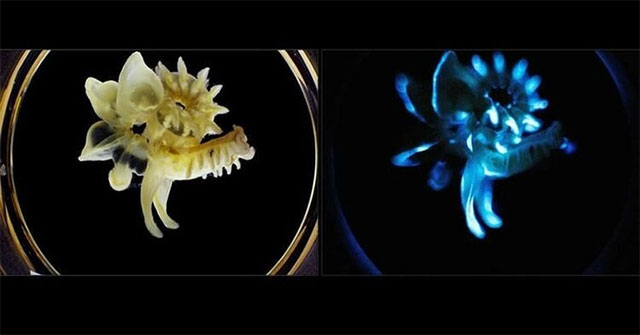
New research published in the FASEB journal suggests that Chaetopterus marine worm mucus could become a long-term light source for future technology.