Space science
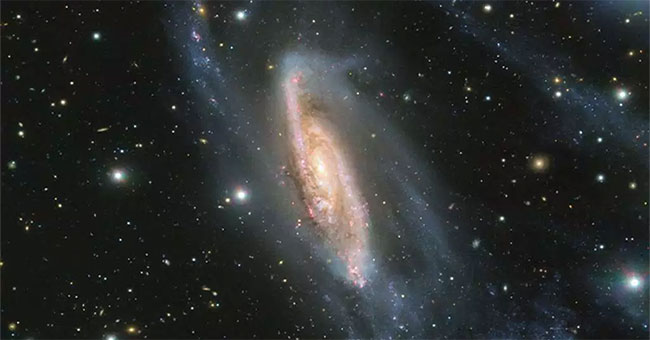
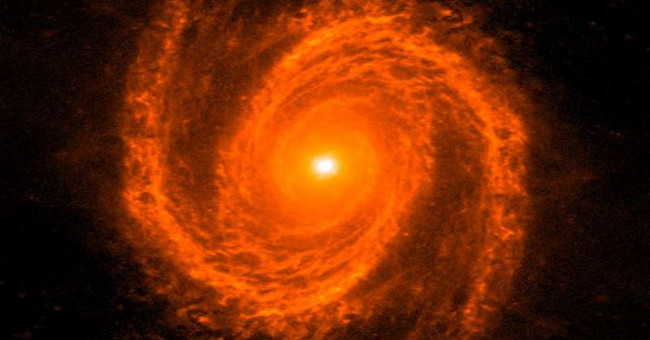
Photo of spiral galaxy 65 million light-years away
The telescope in Chile captures the image of galaxy NGC 3981 glowing with stars scattered around.
Browse ScienceInfo articles and explainers related to Spiral.
150 published items.
The telescope in Chile captures the image of galaxy NGC 3981 glowing with stars scattered around.

To make this discovery, astronomers at Case Western Reserve University first used a 75-year-old telescope in the southwestern mountains of Arizona.
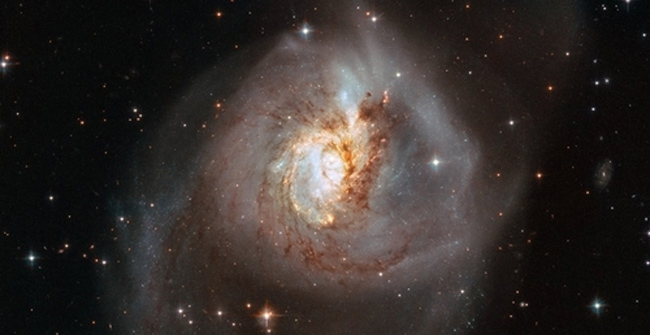
Galaxy NGC 3256 has a distorted shape due to the formation of a collision between two spiral galaxies.
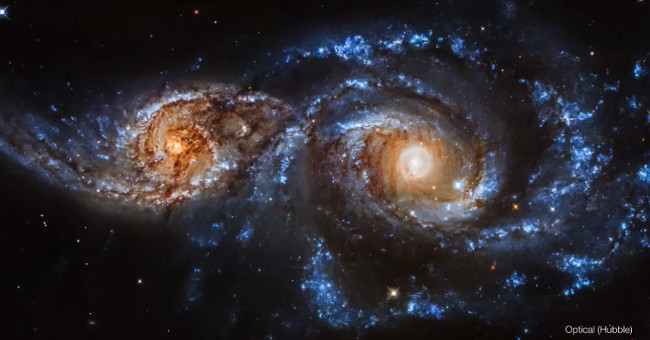
Scientists recorded the collision between two spiral galaxies NGC 2207 and IC 2163, UPI on April 23 reported.
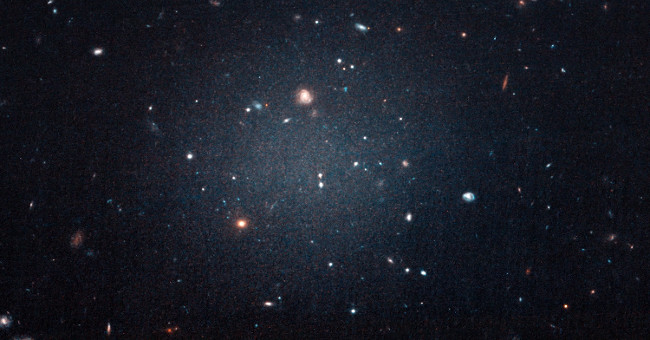
This galaxy is called NGC1052-DF2, 65 million light years from our earth.

The new research shows that the Milky Way is expanding with new stars being born, Space reported on April 4.
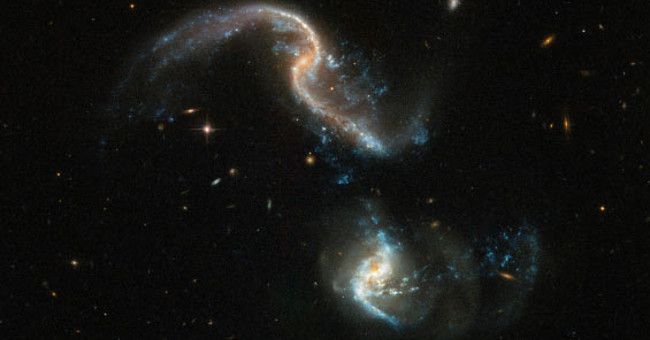
NASA's Hubble astronomical telescope records a new image of the Arp 256 collision between two spiral galaxies in the constellation of Venus, 350 million light-years from…
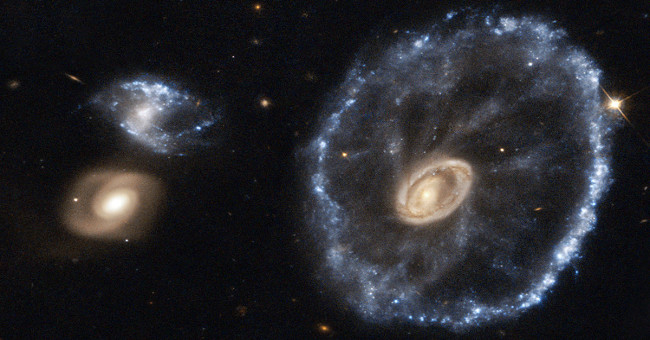
NASA has just released a spectacular, spectacular image of the Cartwheel Galaxy (nicknamed the horse wheel galaxy) in the constellation of Sculptor ... that everyone enj…
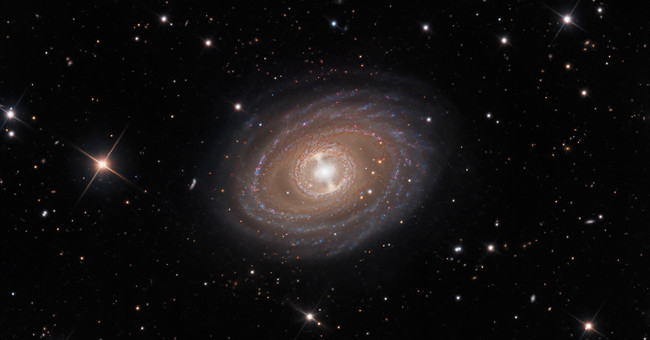
The most impressive and complete moment of the galaxy NGC 1398 has been captured by the satellite device.
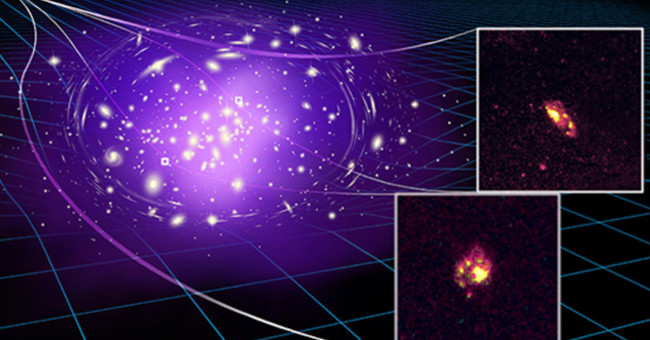
This is the oldest galaxy ever discovered, formed only 2.6 billion years after the Big Bang. The results are published in Cornell University's online library, USA, on Oc…
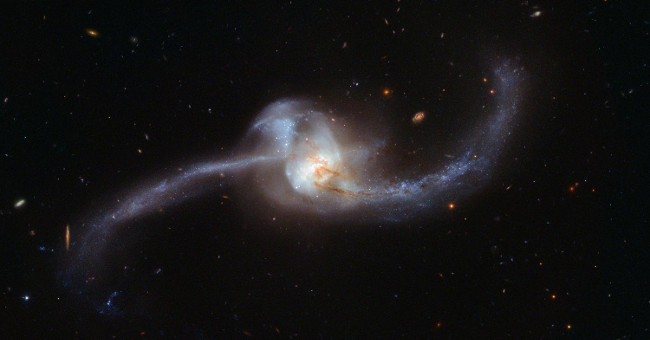
The spiral-shaped NGC 2623 galaxy helps scientists understand more about the Milky Way collision in about 4 billion years.
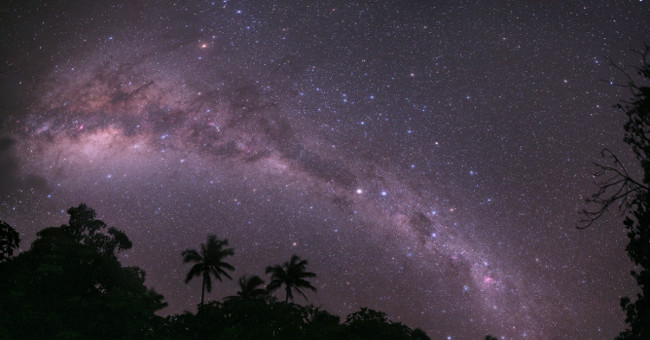
On beautiful evenings, look up at the starry sky and you will see a strip of light across the sky.
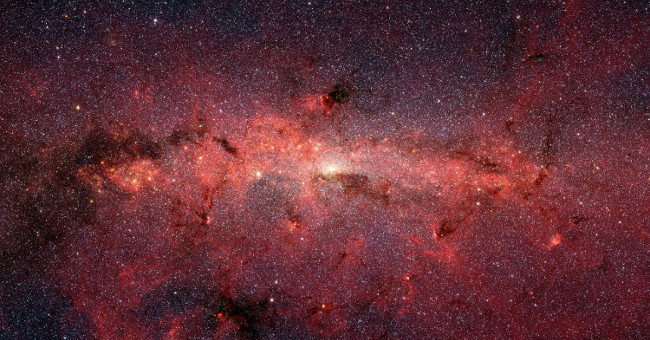
In this article, we will explore how the Milky Way and Galaxy, Galaxy and Galaxy are different. Please consult with us.
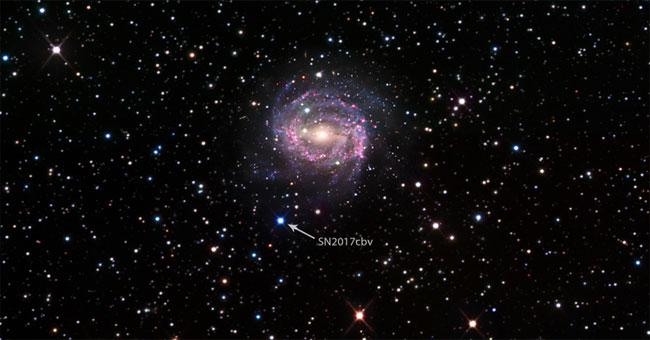
David Sand at the University of Arizona, USA, received a notification from the PROMPT telescope in Chile about the SN 2017cbv supernova explosion at one of the 500 galax…
Dr. Benjamin Davis and Professor Alister Graham, led this new study to restore the link between mass black holes and spiral branch geometry.