
New technology
Japanese super robot 'Avatar'
Hollywood's 'Avatar' blockbuster is one step closer to reality with new inventions by Japanese scientists.
Browse ScienceInfo articles and explainers related to Step.
557 published items.
Hollywood's 'Avatar' blockbuster is one step closer to reality with new inventions by Japanese scientists.
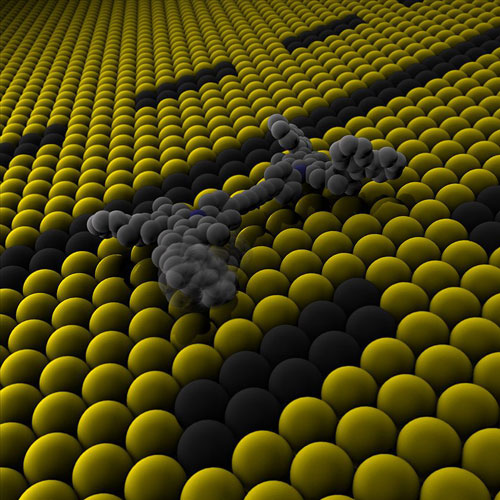
This nano-sized car is a step forward in creating advanced machines that can handle tasks like going through veins to destroy cancer cells.
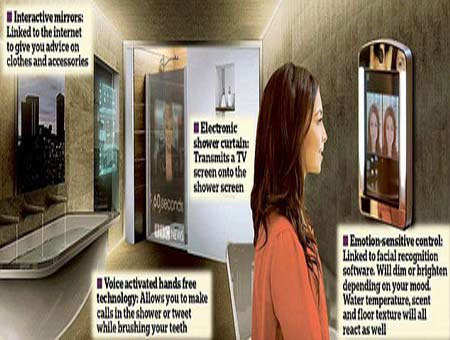
What will happen in 2021 when you step into the bathroom and feel the light level, plus the appropriate water temperature. All the boredom will disappear when you are wa…
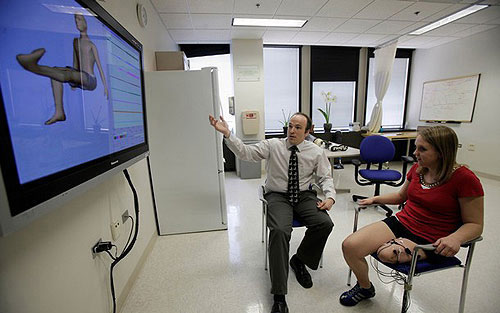
The advancement of technology makes it possible to develop robot legs controlled by the user.

German scientists have made a breakthrough in medicine when imaging nuclear magnetic resonance imaging.
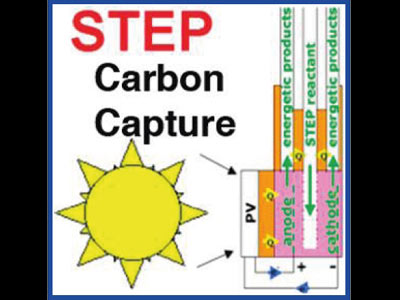
The STEP process uses energy and solar heat to collect CO2 just published by US scientists.

The bee's collective work has helped the whole team work together in a close assignment.
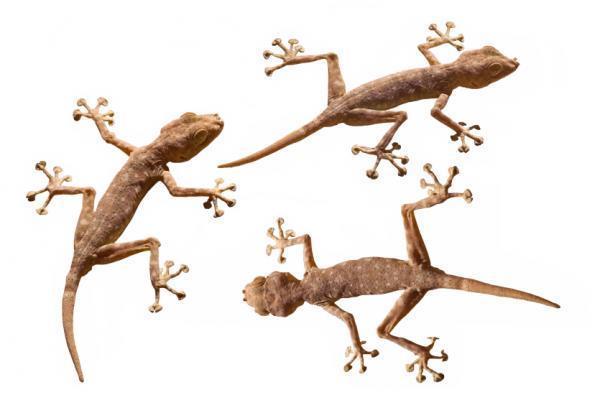
Researchers are in the process of making the first adhesive that can self-clean after each use without the need for water or chemicals, very similar to the hairs on the…
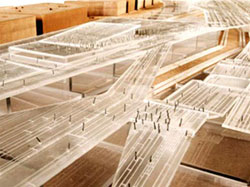
Two students graduated from the faculty of architecture at the University of Massachusetts have the idea of accumulation and use of energy that we humans lost in ... whe…
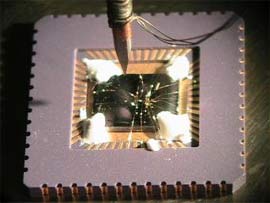
American physicists have taken a step closer to the technology of quantum information transfer on a chip by successfully creating a compatible single-channel microwave b…
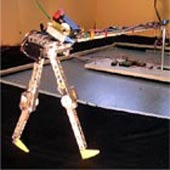
European robot researchers have created the world's fastest walking robot named Runbot. It can move at a rate of 3 times the leg length in 1 second, a bit slower than th…
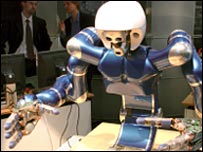
The race to build humanoid robots has made a significant step forward this week as scientists in Spain successfully built an artificial cerebellum. This cerebellum will…
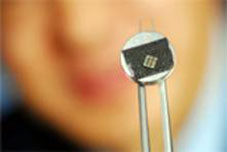
If you are tired of having to watch your cell phone charger, digital music player or other electronic device, the nanogenerator, led by Professor Zhong Lin Wang at the G…
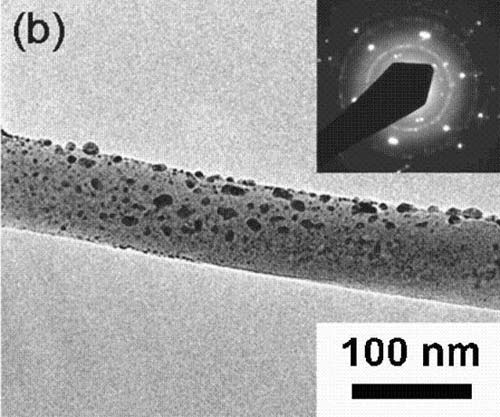
US physicists have announced a new technique that allows us to jump one step further in the use of magnetic nanowires for high-density information storage devices.
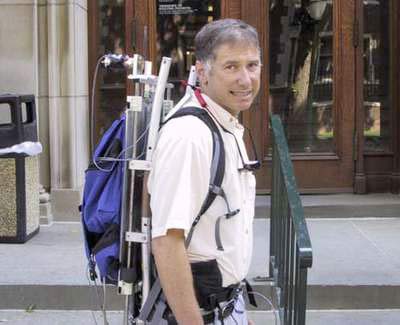
After inventing an energy-backed backpack that can power a machine, a US researcher is now finding ways to help those who wear heavy bags on their backs.