
Animal world
Tail pieces can help revitalize extinct bison 12,000 years
An international team of scientists plans to revive the extinct ancient bison more than 11,700 years ago based on DNA taken from the remaining tail bone.
Browse ScienceInfo articles and explainers related to Steppe.
29 published items.
An international team of scientists plans to revive the extinct ancient bison more than 11,700 years ago based on DNA taken from the remaining tail bone.
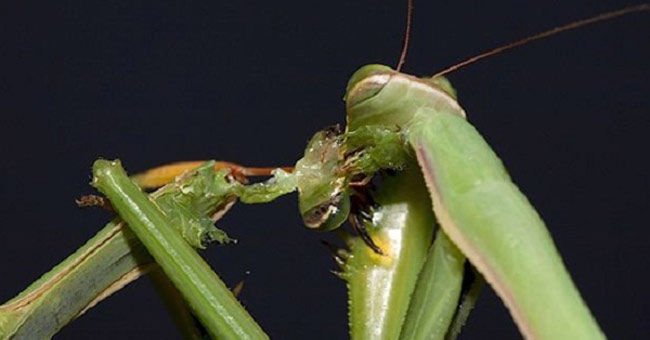
You must have seen some movies about Cannibal eaters. Stories like that seem boring to people, but for some animals, this is not a joke.
In the prairie prairie meadows in Mongolia, Przewalski wild horses are leisurely strolling and grazing. Since 1960, this rare species has been listed as a highly endange…
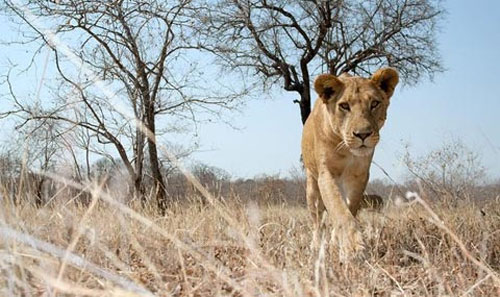
A wild world photographer has recorded an unusual sight of the South African steppe when his camera was caught by a curious lion.
This symbiotic phenomenon can be seen on the savanna steppe of Xinjiang, Qinghai (China). For example, wild rats are in the same snow or a ghost.
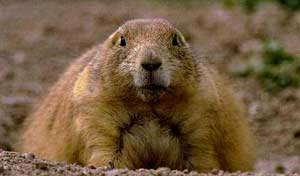
North American steppe dog squirrels include Cynomys gunnisoni, Cynomys ludovicianus, Cynomys mexicanuss, Cynomys parvidens and Cynomys leucurus. They are all rodents, sq…
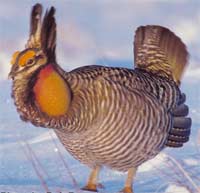
Bagged chicken Tympanuchus cupido is a type of chicken that lives on the North American steppe. They are monstrous in shape, which can be said to be unique in the chicke…

The Mongolian steppe is famous for its hooves of hoofed animals. In particular, it is noticeable that antelope herds gather together in very large numbers.
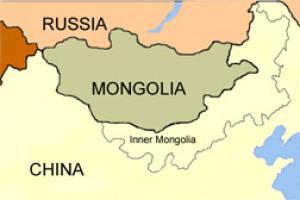
The grasslands on the Asian prairies and the western US grazing areas have the same climate, plants, land use and problems.
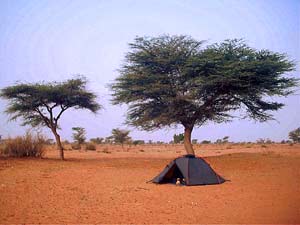
The blue sky, the vast meadow, the goat cow, the galloping horse, ... it is a natural picture only in the steppe made by steppe climatic conditions. The climate of the s…
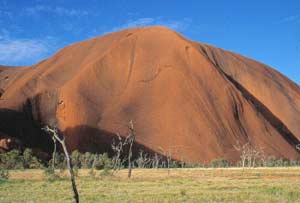
The giant stone that lurks on the wild steppe of central Australia is a mountain, but there is only one rock. It is located south of the Macdonnell Mountains, 350 km eas…
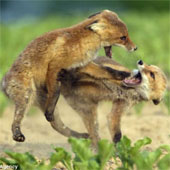
The three red foxes fought fiercely to scramble for food they discovered in a steppe in Germany.
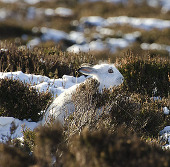
Swans go on frozen lakes, gray squirrels play on trees, kangaroo run away from forest fires, ... are the most beautiful animal images last week.
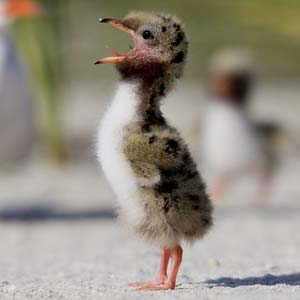
A baby kiwi is calling her mother one of the most beautiful nature photos in February 2011 voted by National Geographic magazine.