
Discover science
What Is Particle Physics?
Particle physics studies the fundamental constituents of matter and radiation, the forces that act between them, and the high-energy processes that reveal how nature wor…
Browse ScienceInfo articles and explainers related to Subatomic Particle.
12 published items.
Particle physics studies the fundamental constituents of matter and radiation, the forces that act between them, and the high-energy processes that reveal how nature wor…
CERN's large particle accelerator is the machine that found the Higgs boson, a particle thought to have played an important role in the formation of the universe after t…
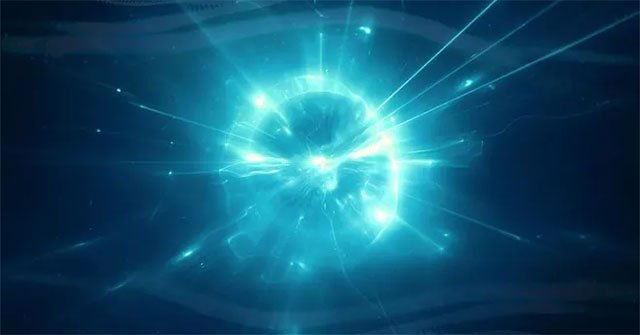
Scientists have found a particle, which could be the source of dark matter in the universe.
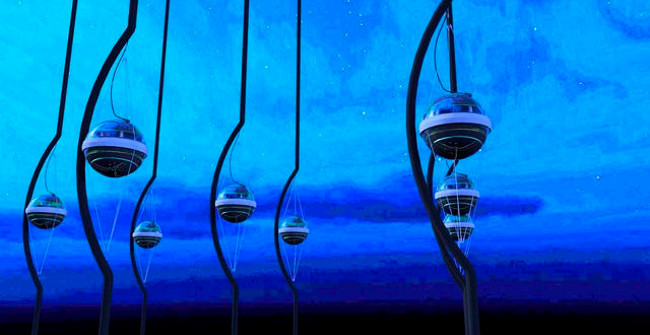
Some high-energy neutrinos are absorbed when passing through the Earth.
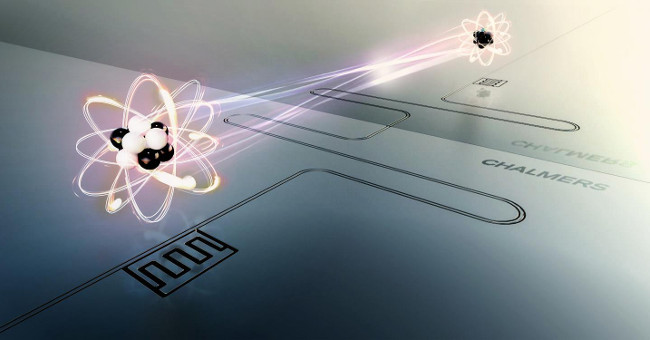
In 2010, a group of scientists found a difference in the method of traditional proton measurement when they performed a new measurement technique on an atom called deute…
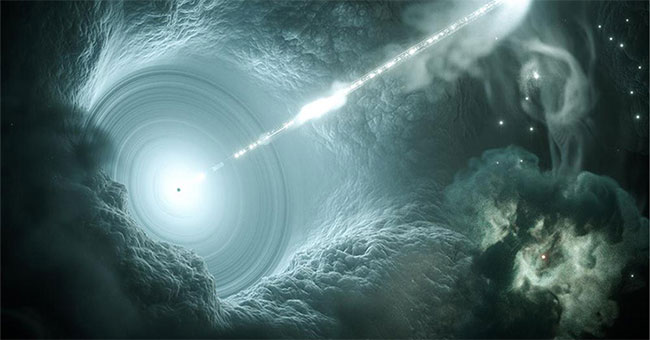
Neutrinos are subatomic particles with almost no electrical charge, so it rarely interacts with the surrounding environment.
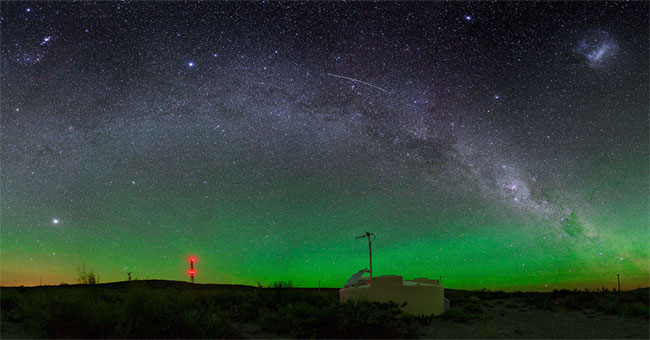
The secrets hidden in cosmic rays have confounded scientists for the past 50 years, and this new research will be the first solid foundation to understand their origins.
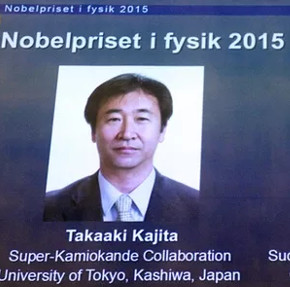
After the Nobel Prize for medicine, the Nobel Prize in physics has been awarded to two Japanese and Canadian scientists.
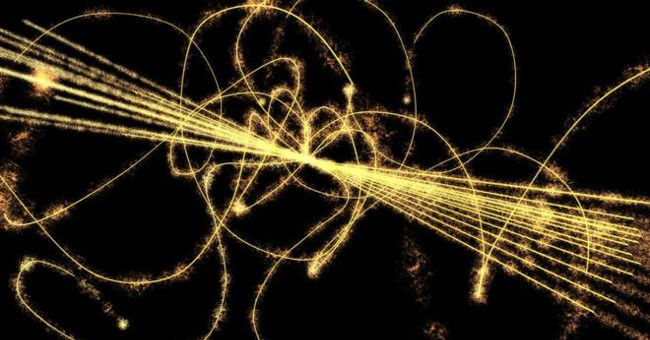
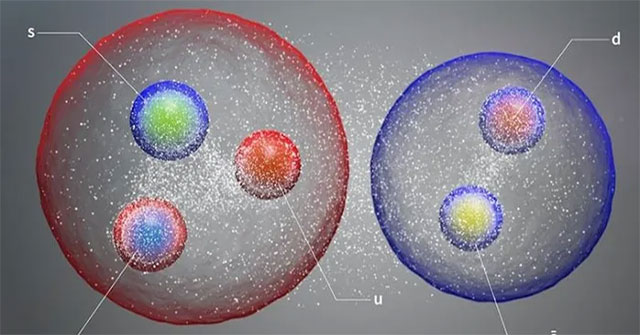
The world's largest particle accelerator (LHC) detects five new subatomic particles that may help explain how the atomic center binds together.

By using a laser to bombard hot plasma in a desktop-plasma laser accelerator, the scientists created accelerated energy to 4.25 giga-electron volts (GeV).
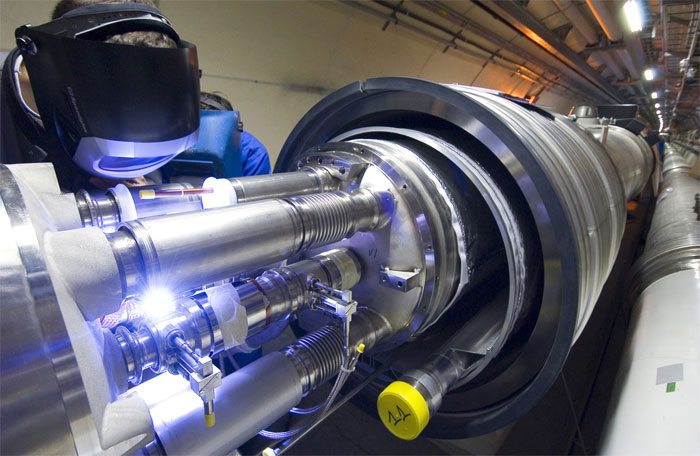
The European Organization for Nuclear Research (CERN) said on July 4 that it has detected a new subatomic particle
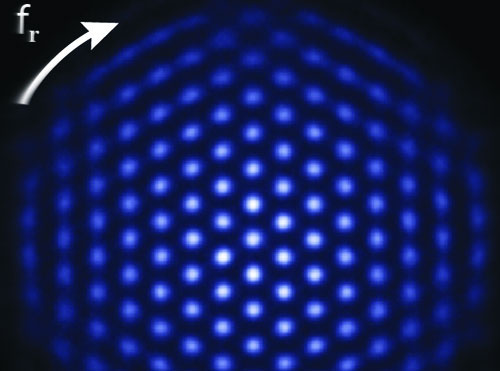
Physicists in the United States have announced the development of a simulator that will allow them to observe the behavior of subatomic particles that current computers…