Space science
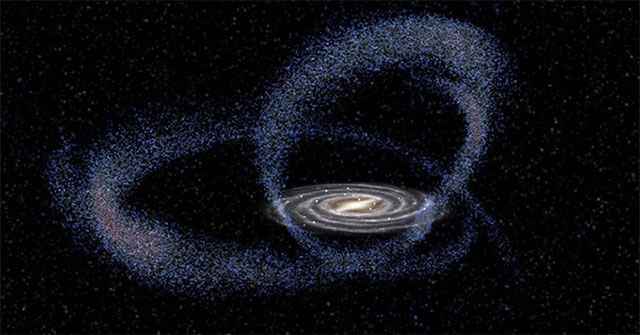
The galaxy repeatedly pierced the Milky Way
The Sagittarius dwarf galaxy, about 26,000 light-years from the Milky Way galaxy, could be a boost to the Sun's formation.
Browse ScienceInfo articles and explainers related to Sun.
1,901 published items.
The Sagittarius dwarf galaxy, about 26,000 light-years from the Milky Way galaxy, could be a boost to the Sun's formation.
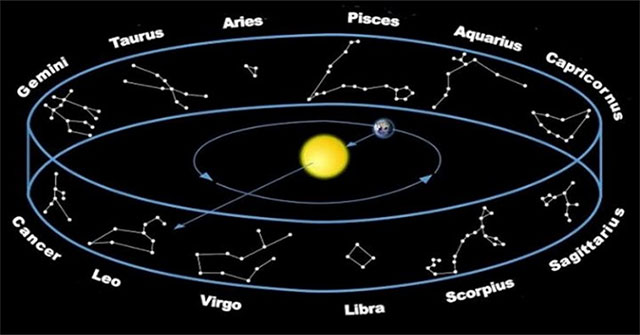
A person may belong to Capricorn, but in fact, at the time of his birth, the Sun is in the middle of the constellation Sagittarius!

In addition to detecting that the sun can neutralize the corona virus in 6-14 minutes, the scientists found that the spread of the virus significantly decreased in the e…
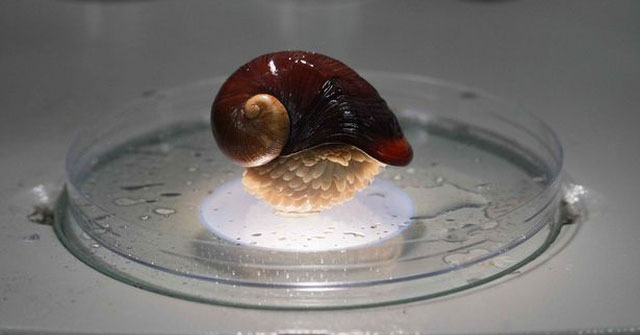
The foot-snail snail (hydrothermal snail) survived in what researchers call 'impossible conditions of life.
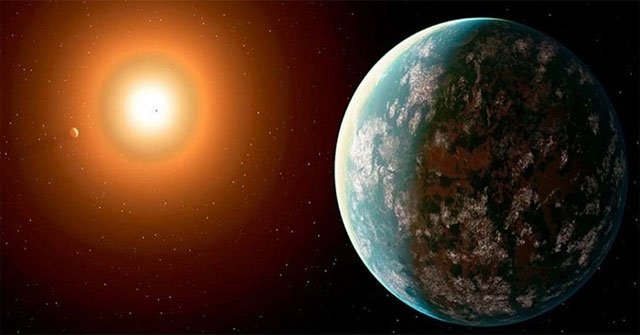
The newly discovered exoplanet has four times the mass of the Earth, orbiting the star as small as 1/10 of the Sun.

GD & TD - Scientists in Torino (Italy) found that for a few days each year, the Sun was rising in line with one of the main roads of the city built from about 28 BC (BC)…
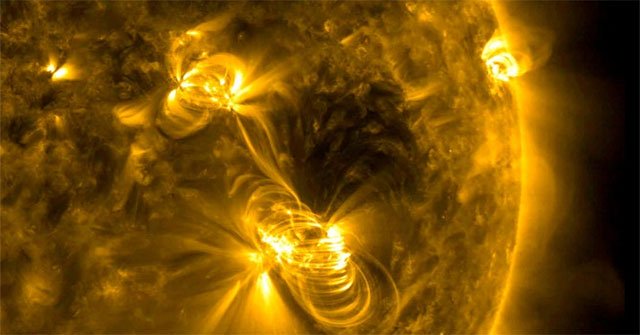
Our sun is less active than other similar stars. Due to black spots and other phenomena, the Sun has a weaker brightness variation.
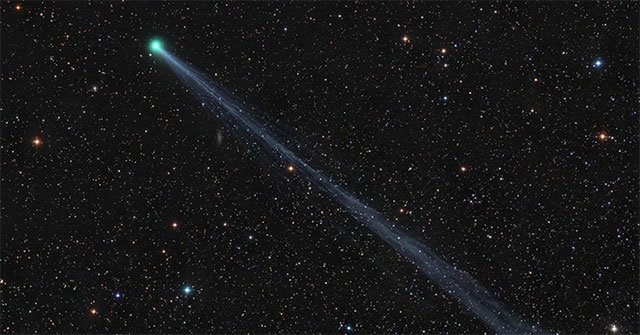
Comet C / 2020 F8 (SWAN) will reach the Earth closest in mid-May before rushing towards the Sun and decaying.
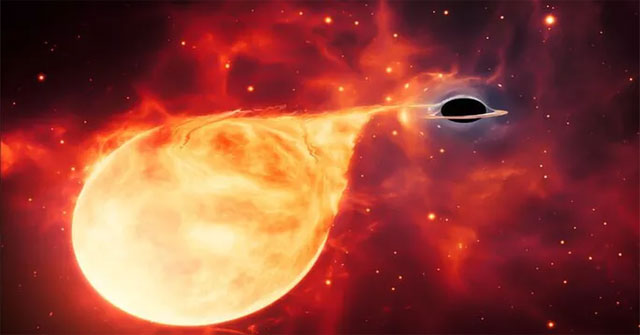
The aggressive monster black hole discovered by NASA's Hubble Space Telescope may be the missing link in the evolution of the universe.

Scientists on Tuesday said they have completed manufacturing and commissioning of the China Large Solar Telescope (CLST) in Sichuan.
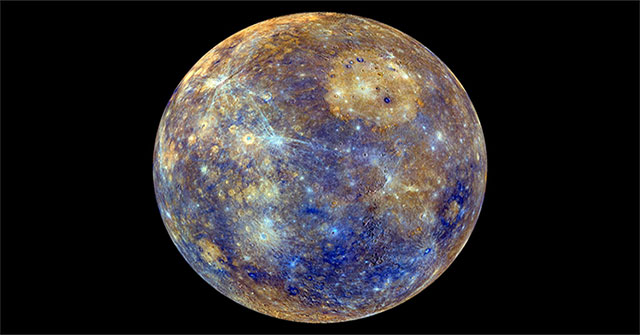
A new study measuring the average distance between planets found that the closest planet to Earth is not two neighbors of Venus or Mars.
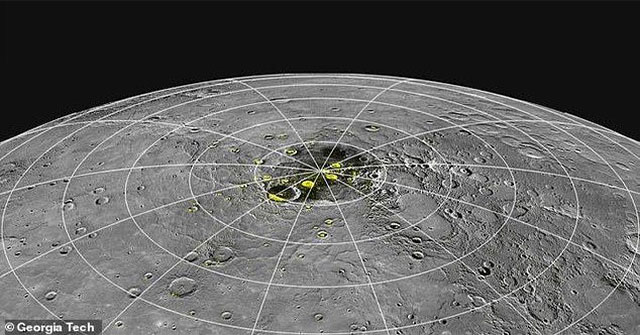
A team of scientists from Georgia Tech gave a new explanation for how ice formed on Mercury even though the scorching surface temperature could reach 400 degrees Celsius.
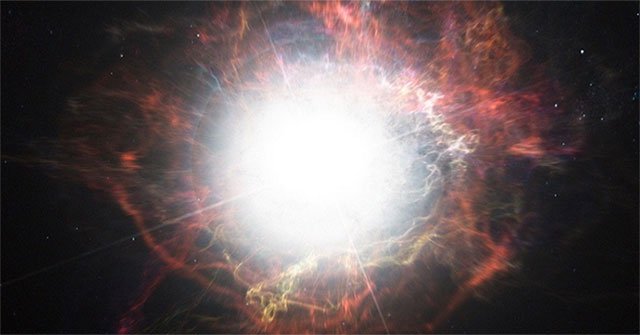
From Earth, we can observe the supernova explosion of the red giant Betelgeuse when it dies at the end of its life.
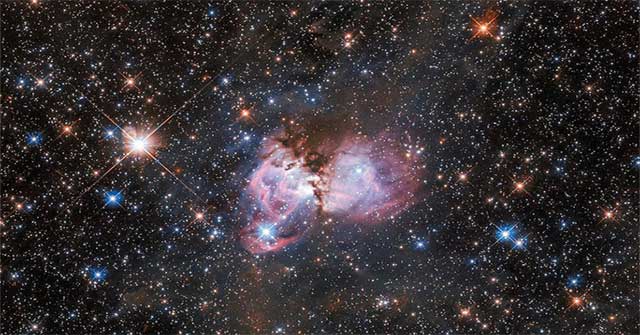
NASA's Hubble Space Telescope has captured a bright pink cloud of gas and dust, where a series of stars much larger than the sun are born.
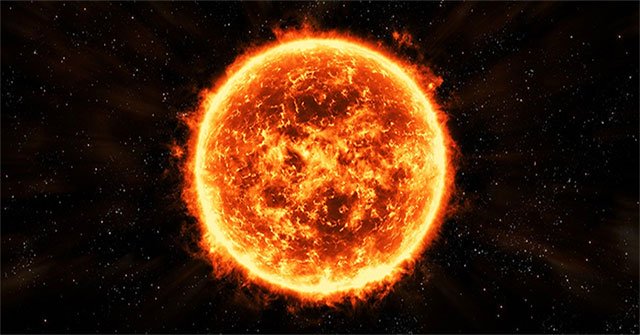
The sun is like a hot, dazzling fireball. Every hour it radiates a large amount of energy, emitting light and heat in the universe, including our Earth.