
Space science
Revealing the image of the Sun when destroyed
NASA's Hubble telescope has recorded images of the dying star HD 184738.
Browse ScienceInfo articles and explainers related to Sun.
1,901 published items.
NASA's Hubble telescope has recorded images of the dying star HD 184738.
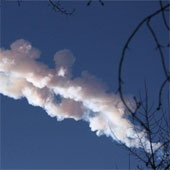
The meteorite block that injured more than 1,500 people in the country on February 15 may have almost touched the Sun before falling to Earth and exploding.
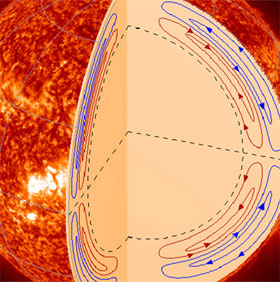
The new study has overturned all long-standing knowledge about the mechanism of motion in the sun, according to experts from the US Aeronautics and Space Agency (NASA).
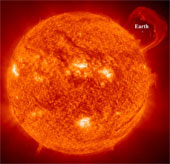
According to Discovery News, this star is called HIP 102152 and is
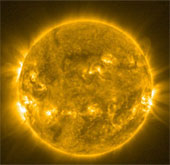
The solar field will reverse in the next few months, but this change does not increase extreme solar storms, or other events that cause great harm to the earth and its r…
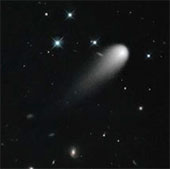
Astronomers are planning to observe the ISON comet, dubbed the century comet, when approaching the Sun. However, astronomers say the comet of the century will not shine…
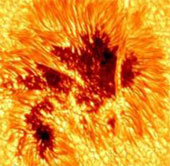
Astronomers say the telescope in California (USA) is equipped with new technology that captured the image of the sun flare with the most clarity and detail ever.
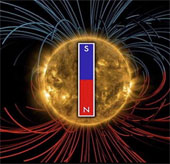
NASA said the Sun is making a big transition after an 11-year cycle. The sun's magnetic field has shown signs of extreme change in recent times.
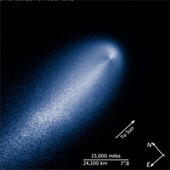
ISON, the giant comet that has been dubbed the comet of the century by scientists, will
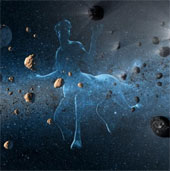
The US Aeronautics and Space Agency (NASA) said its spacecraft had deciphered the long-standing mystery about small celestial bodies orbiting the sun, between Jupiter an…
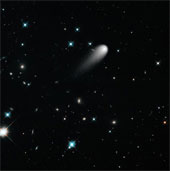
To create the latest image of ISON, dubbed the century comet, researchers have assembled five different images transmitted from the Hubble telescope.

NASA's solar observing telescope captured the first images of the lowest layer in the Sun's atmosphere, known as the
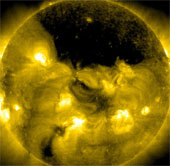
The sun-observing vision of the glass found a giant hole in the central star's atmosphere, expressed in the form of a dark halo covering nearly a quarter of the sun, con…
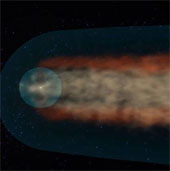
The US Aeronautics and Space Agency (NASA) said one of its spacecraft had long suspected that the solar system had a tail like a comet.
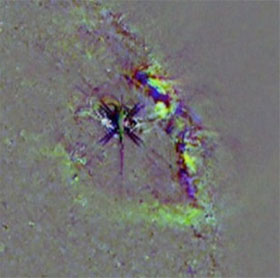
Japanese and American artificial satellites capture the phenomenon of a series of 'tsunamis' spreading on the surface of the Sun at tremendous speeds.