Space science
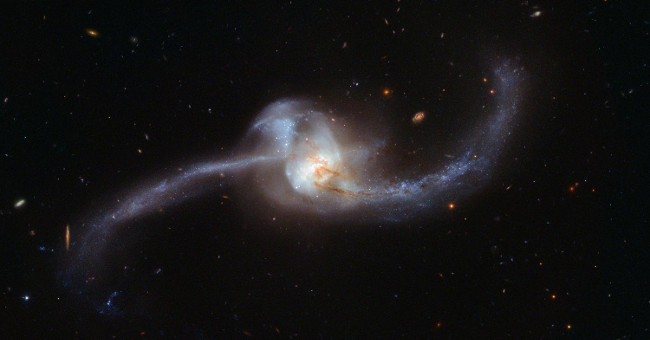
The knot formed from two galaxies collided
The spiral-shaped NGC 2623 galaxy helps scientists understand more about the Milky Way collision in about 4 billion years.
Browse ScienceInfo articles and explainers related to Telescope.
1,099 published items.
The spiral-shaped NGC 2623 galaxy helps scientists understand more about the Milky Way collision in about 4 billion years.
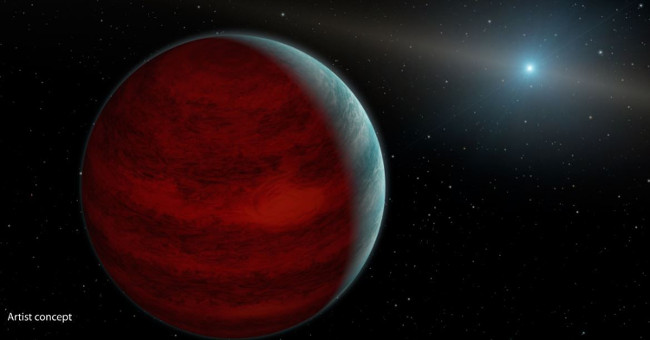
Scientists discovered the new planet is 13 times the size of Jupiter, the largest planet in the solar system, in the center of the Milky Way, according to Yahoo News.
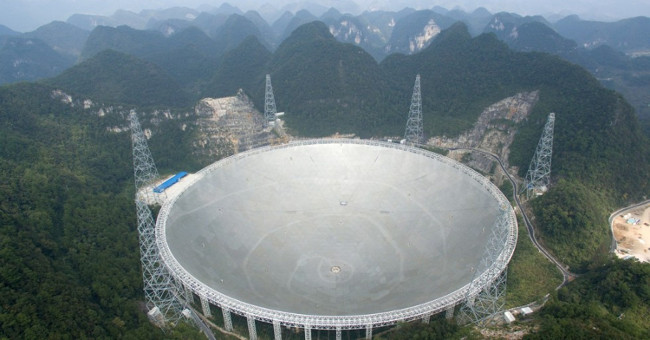
The world's largest radio telescope in China has found two pulse stars after a year of trial operation, Xinhua News reported on October 10.
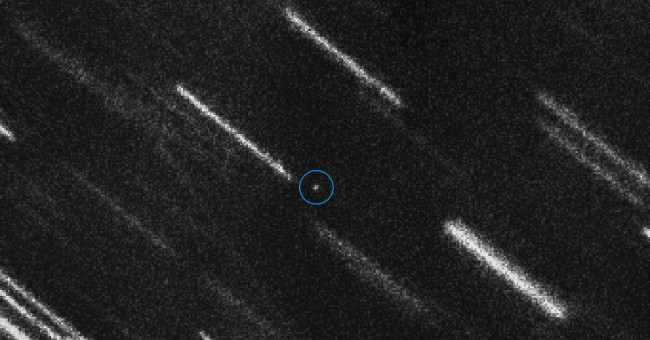
The 2012 TC4 asteroid will fly across the Earth at a distance of 43,935km, about one-eighth of the distance from Earth to the Moon (384,400 km) on October 12, according…
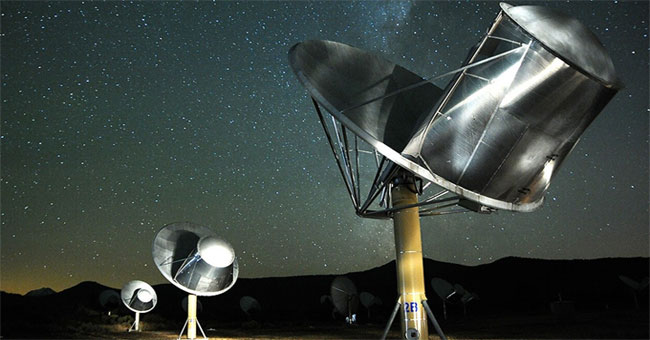
Mars is the closest of the targets chosen by astronomers to listen to the signal, but they still can't hear anything from this red planet.
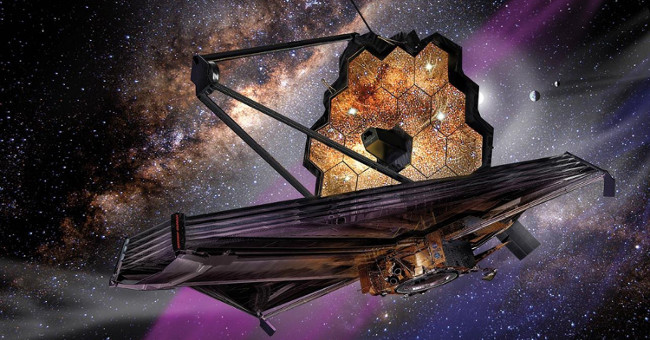
The Hubble Space Telescope, named after American astronomer Edwin Powell Hubble, was first launched into Earth orbit in April 1990.
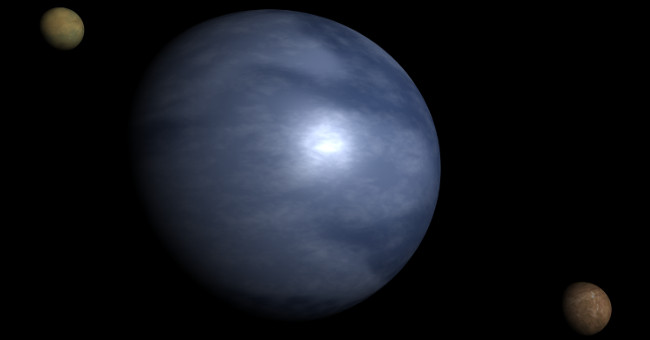
NASA's Kepler planet-hunting telescope has discovered more than 2,300 extrasolar planets in the universe ever.
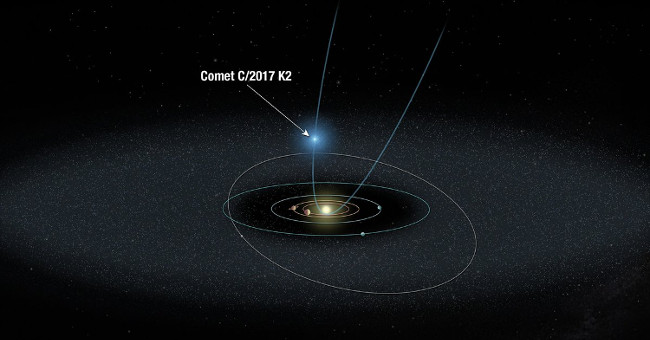
At a distance of 2.4 billion km, beyond Saturn's orbit, the Hubble Space Telescope captured a powerful active comet.
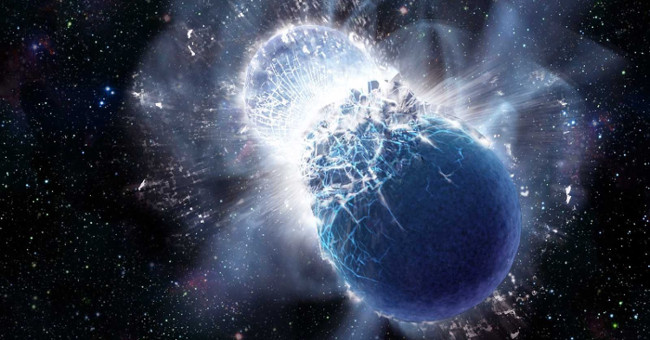
The Hubble telescope of the US Aerospace Agency (NASA) is observing a pair of neutron stars in the galaxy NGC 4993, 130 million light-years from Earth.
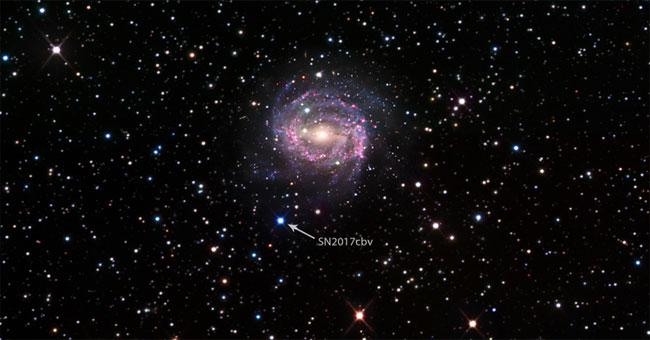
David Sand at the University of Arizona, USA, received a notification from the PROMPT telescope in Chile about the SN 2017cbv supernova explosion at one of the 500 galax…
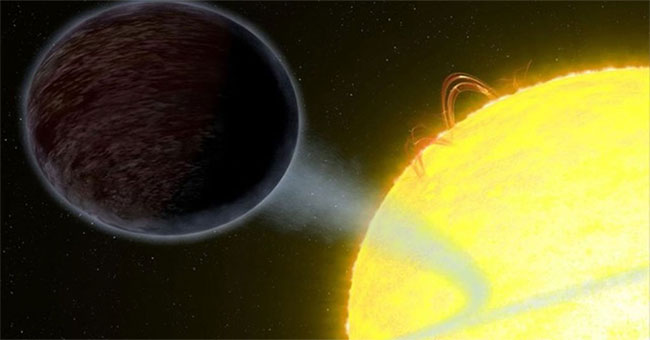
The Hubble Space Telescope of NASA discovered the strange planet WASP-12b is almost completely black, because it absorbs 94% of the light shining on the surface.
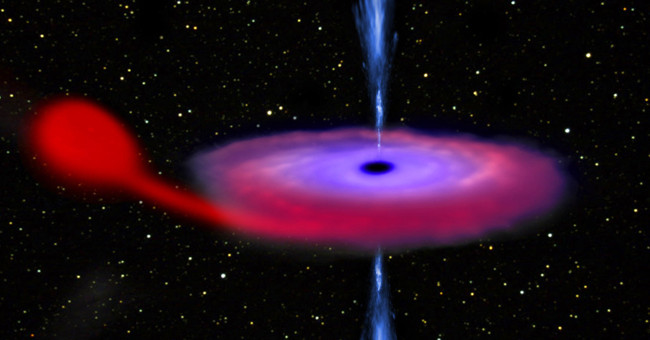
The group of scientists said that astronomers only need normal telescopes and the naked eye can see black holes.
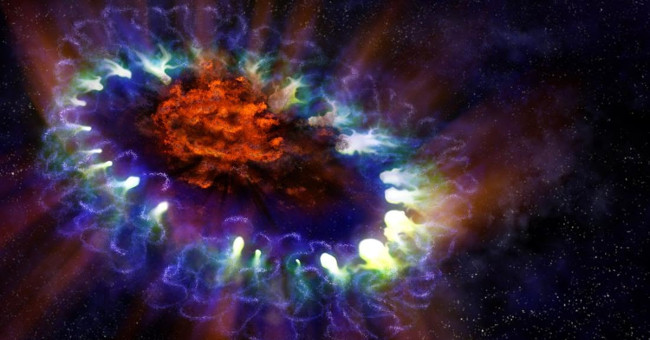
More than three decades ago, astronomers witnessed a rare and extremely intense cosmic event: a dying star that exploded 168,000 light-years away.
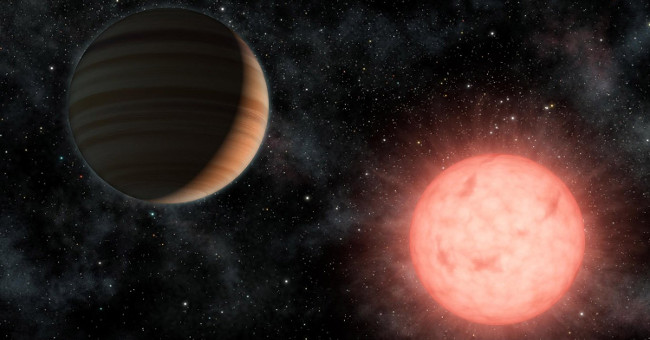
EPIC 228813918 b planet revolves around an M-type dwarf named EPIC 228813918. With time to complete an orbit of less than 4.5 hours.
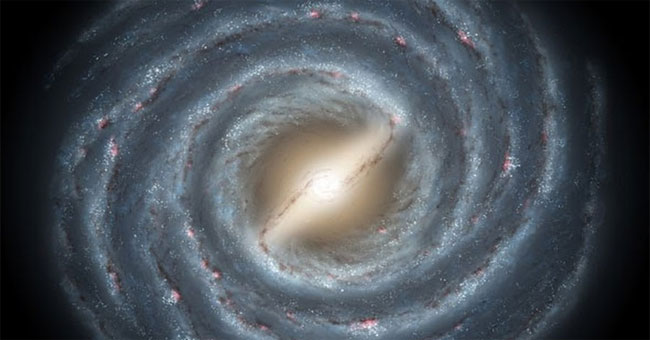
This phenomenon was discovered using data from NASA's Fermi Space Telescope and High Energy Stereoscopic System (HESS).