
Space science
The giant missiles roam the universe
Huble telescope has just taken a picture of 14 stars rushing in space with tremendous speed like giant missiles.
Browse ScienceInfo articles and explainers related to Telescope.
1,099 published items.
Huble telescope has just taken a picture of 14 stars rushing in space with tremendous speed like giant missiles.
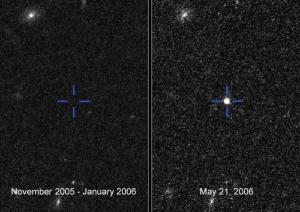
Astronomers are still unable to explain a mysterious bright area discovered by NASA's Hubble Space Telescope for the first time in 2006.
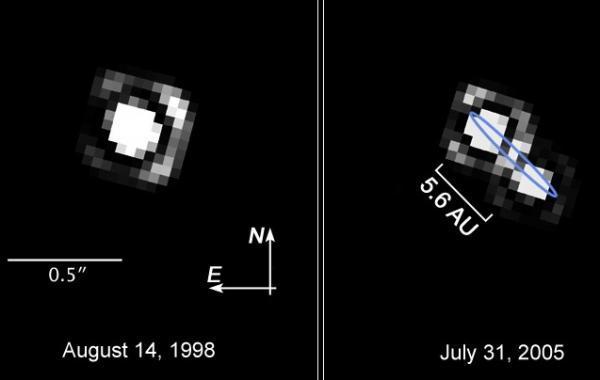
Brown stars, objects smaller than stars but larger than planets, are becoming more and more confusing, according to a study of 233 star systems of NASA's non-gina Hubble…
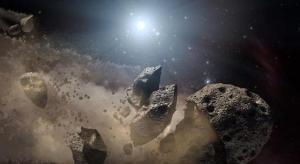
Astronomers used unexpected objects to study the development of planets - dead stars.
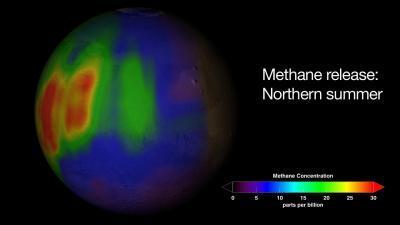
A group of NASA researchers and universities have for the first time discovered methane in Mars's atmosphere.
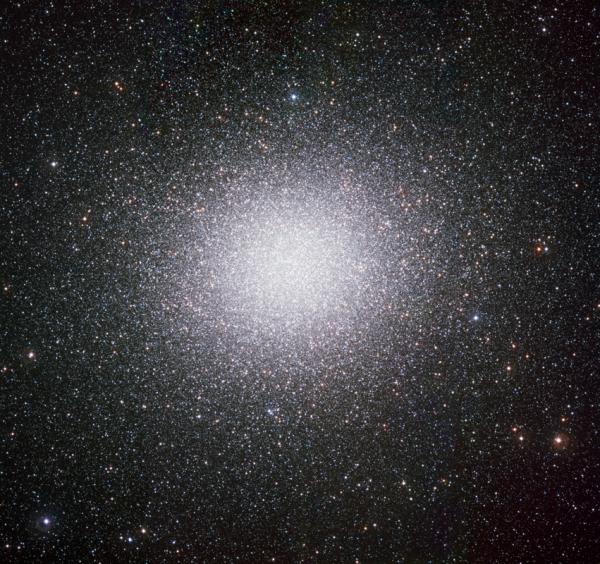
Omega Centauri is one of the most beautiful pearls in the southern hemisphere sky, perfectly illustrated in the latest ESO photo.

The Hubble Space Telescope has just discovered CO2 and CO in the atmosphere of a distant planet.
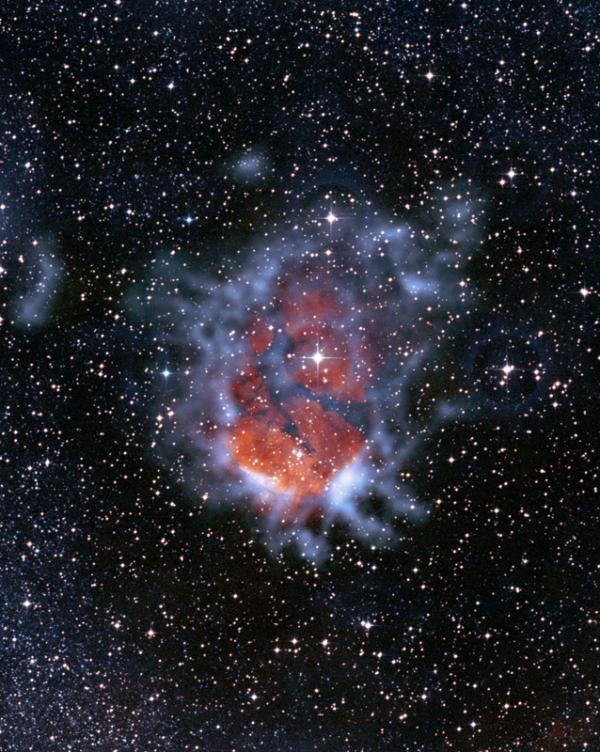
An image of the APEX telescope reveals how an ionized gas bubble causes surrounding materials to turn into dense blocks, thereby forming new stars.
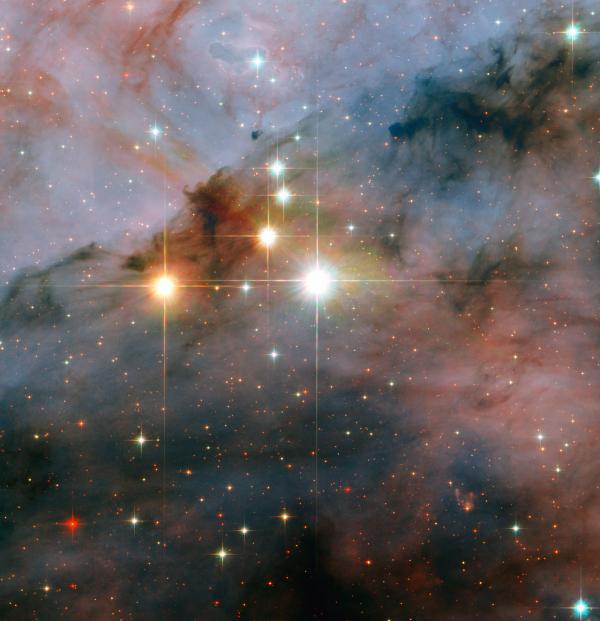
The Hubble telescope has recently captured a spectacular picture of a giant pair of stars, WR 25 and Tr16-244, located in the open star cluster Trumpler 16.
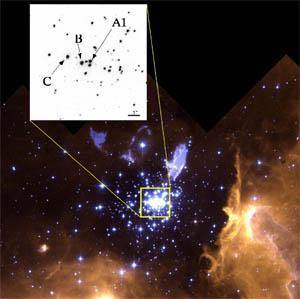
The theoretical models of star formation have hypothesized the existence of extremely large stars that could reach 150 times the mass of the sun.
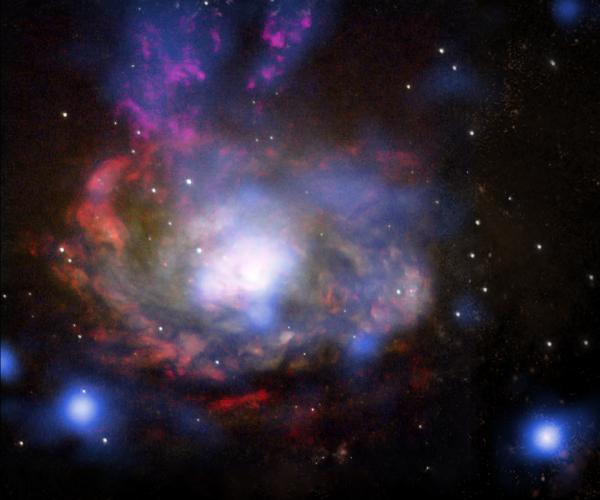
Astronomers have recently discovered that a relative of a strange exploding star was once thought to be unique in the universe. For more than two decades they have thoro…
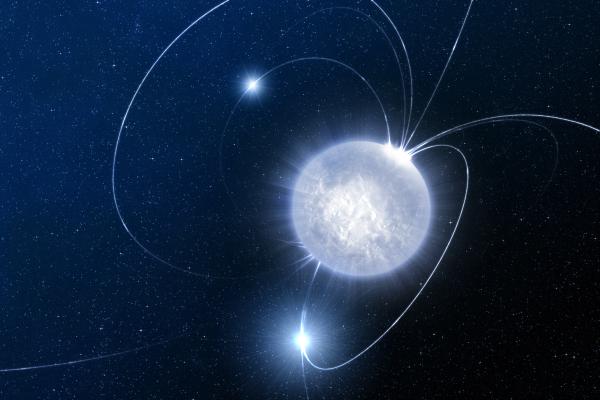
Astronomers have discovered the most bizarre cosmic object flashes 40 times before disappearing. It is possible that this is a missing link in the neutron star family, t…
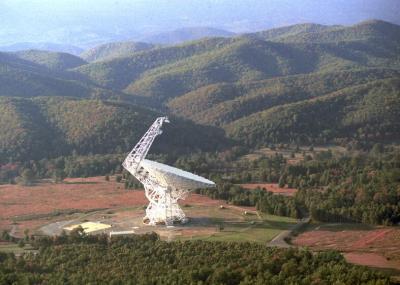
Using radio telescopes to observe the universe, a group of California astronomers have for the first time measured the galactic magnetic field that appeared 6.5 billion…
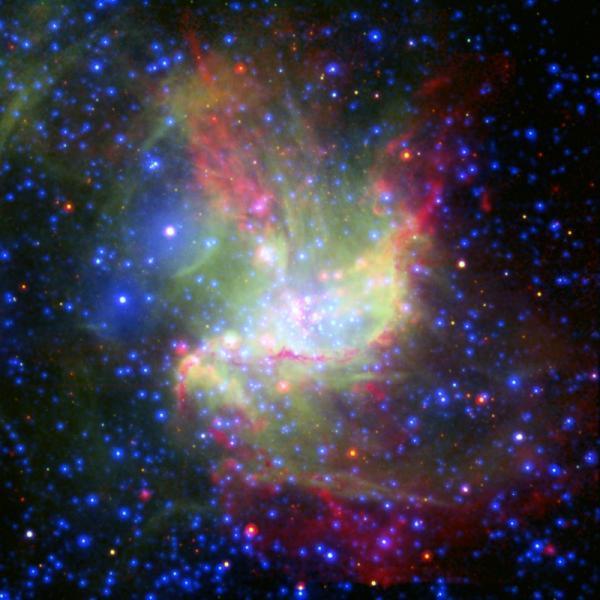
The terrestrial and space telescope combined to capture a picture provides a new perspective on the region's history with a great deal of NGC 346.
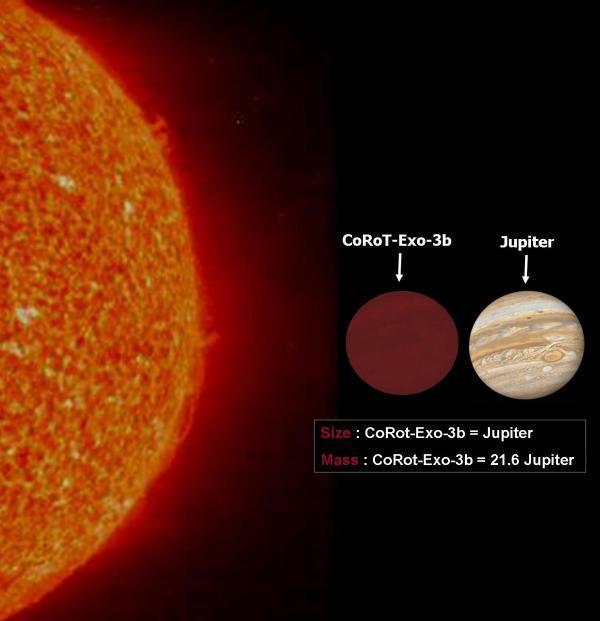
The European COROT spacecraft has detected an object the size of a planet that orbits its star with close proximity.