
New technology
Tiny robot capable of jumping up to 32 meters
The robot has a strange design, although it is only 30 cm long, but can jump 100 times its own height.
Browse ScienceInfo articles and explainers related to Tiny Robot.
14 published items.
The robot has a strange design, although it is only 30 cm long, but can jump 100 times its own height.

Five thin disc-like robots, 12 centimeters in diameter with two wheels, will launch into space this year to study the lunar surface.

Scientists develop new materials for robotics that can expand and fill in bone defects in the future.
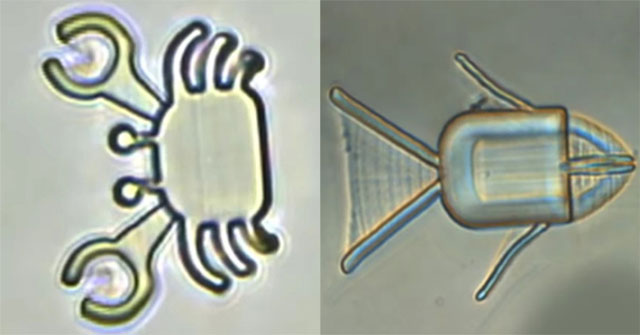
The 3D printed animal robot can move through the blood vessel, carry the drug nanoparticle and automatically eject it when it reaches its destination.
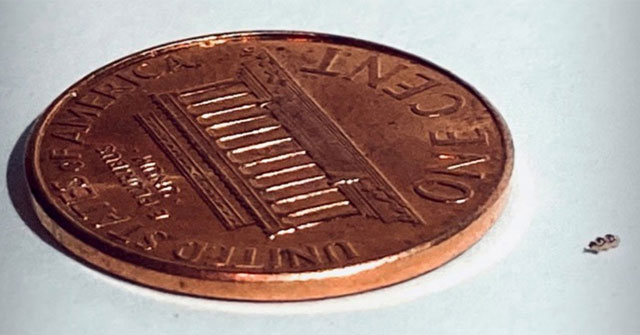
A team of researchers has found a very promising way, seemingly only needing tiny robots with special functions to bring life to cancer patients.

The test showed that in just 20 minutes, this tiny robot could kill more than 80% of the bacteria in E. Coli-contaminated water.
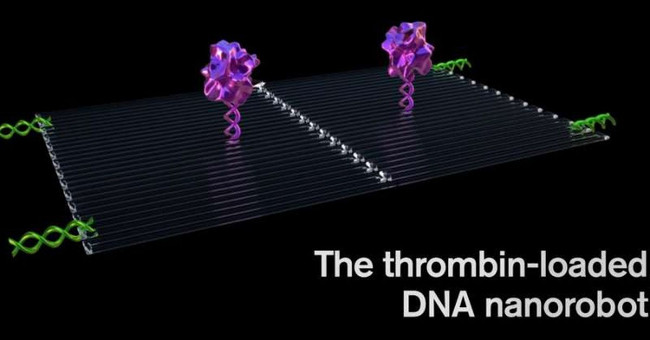
Within 24 hours of entering the mouse, the nano robot blocked the blood supply in the tumor and destroyed tumor tissue without any side effects on healthy tissue.
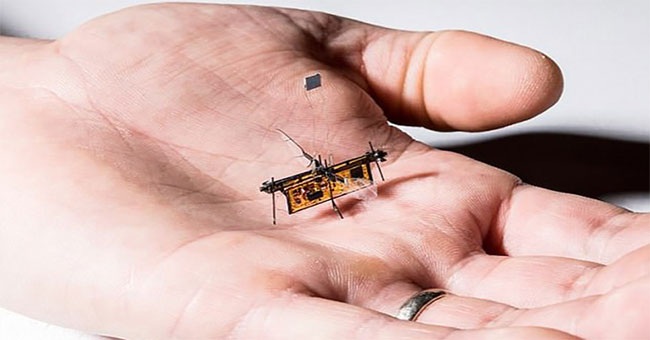
Weighing just a bit heavier than toothpicks, engineers at the University of Washington (USA) have created a new breakthrough in making tiny robots.
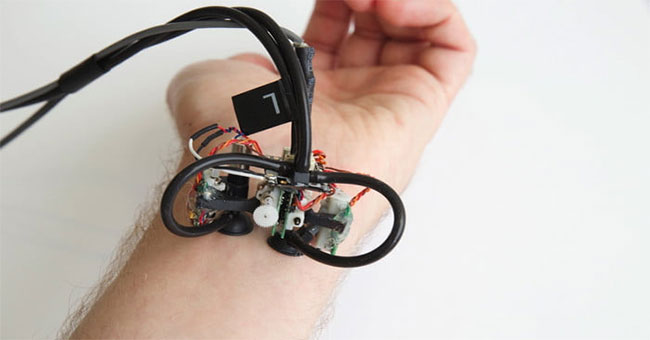
Scientists at the Massachusetts Institute of Technology have just developed a new type of robot capable of supporting screening for skin diseases, including skin cancer.


The Saltp-1P was first developed by the researchers in December, but in the latest version, the robot was equipped with small pushrods that could move side by side.

Simulating the behavior of insects in nature, Harvard's micro-robots are considered to be extremely effective spy, search, and rescue.
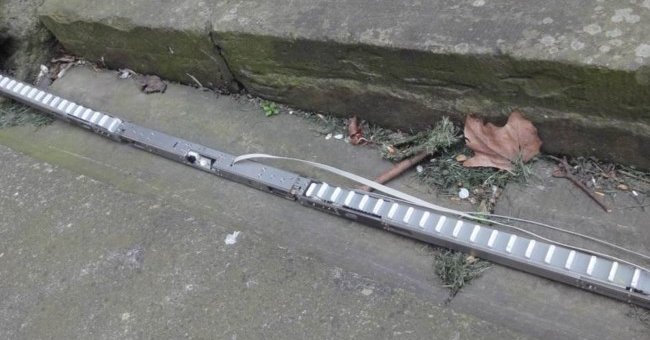
They are autonomous drones, sweeping roads, checking and fixing potholes.
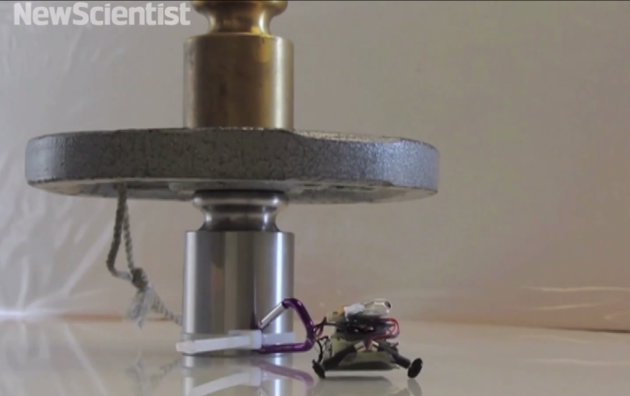
This robot experiment takes the idea from the gecko's ability to climb.