Medicine - Health
Canned foods increase the risk of cancer
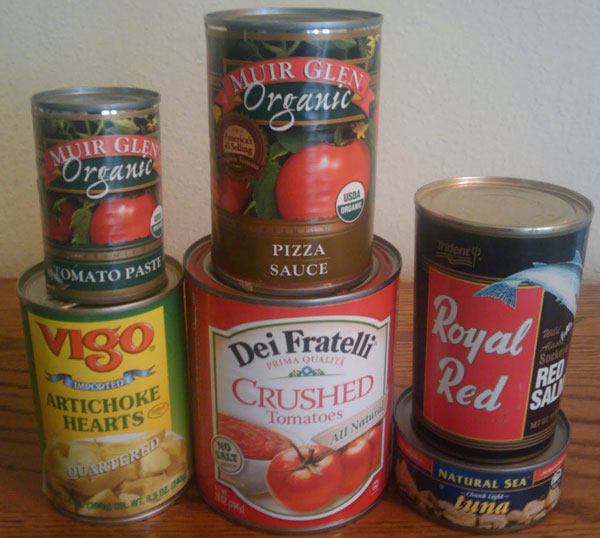
A new study by the Breast Cancer Foundation (Australia) found that the level of toxicity of Bisphenol A, often abbreviated as BPA, in many canned foods sold in the count…
Browse ScienceInfo articles and explainers related to Toxicity.
45 published items.
A new study by the Breast Cancer Foundation (Australia) found that the level of toxicity of Bisphenol A, often abbreviated as BPA, in many canned foods sold in the count…

Scientists are digging up the gene sequence of the new E.coli strain to find ways to treat patients as well as prevent similar pandemics in the future.

The German Minister of Agriculture said, according to a recent test result, the cause of intestinal infection caused by E. coli causes very high bean sprouts, not cucumb…

Test results on a farm in northern Germany suggest that prices grown by organic methods here are not the source of the E. coli outbreak that killed 22 people and infecte…
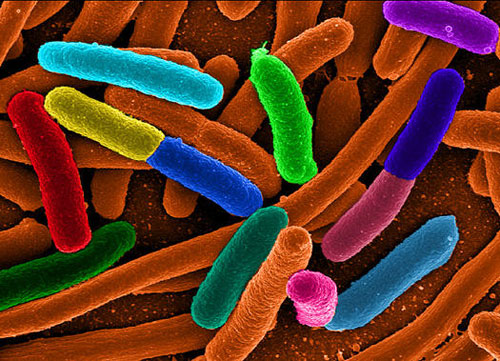
The World Health Organization said yesterday that E. coli bacteria are causing serious diarrhea in many European countries, a completely new strain, highly virulent and…
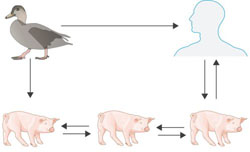
Research conducted by researchers at Duke-NUS School of Medicine (Singapore) shows that large flu viruses cross national borders and combine with native viruses, forming…

The toxicity of tobacco becomes very high if people smoke early in the morning, when they have not eaten or eaten anything.
The latest research results of scientists at Biochemistry Department, Nha Trang Institute of Oceanography confirmed:
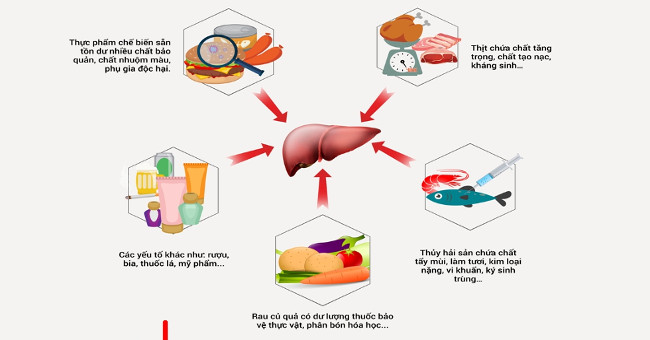
The toxic chemicals in food are not safe when entering the body will destroy the liver, causing severe liver toxicity, even leading to cancer.

Scientists recently reported that soy is effective in preventing colorectal cancer, the third most deadly cancer.

The H5N1 avian influenza virus may have changed and easily spread in warm weather no less than winter, according to Hong Kong York Chow health chief.

Ho Chi Minh Pasteur Institute has completed and reported to the Ministry of Science and Technology on the project
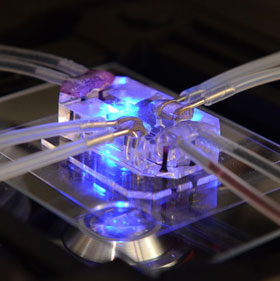
Researchers at Harvard's Wyss Institute for Biologically Inspired Engineering have simulated pulmonary edema in a microchip lined with human living cells.

New fabric made from carbon nanotubes can withstand chemical and biological toxicity, according to US experts.

Researchers in Zurich (Switzerland) are developing a magnetic nanotube capable of detecting harmful molecules that exist in the blood and removing them.