New technology
Makes hair less than 60,000 times hair
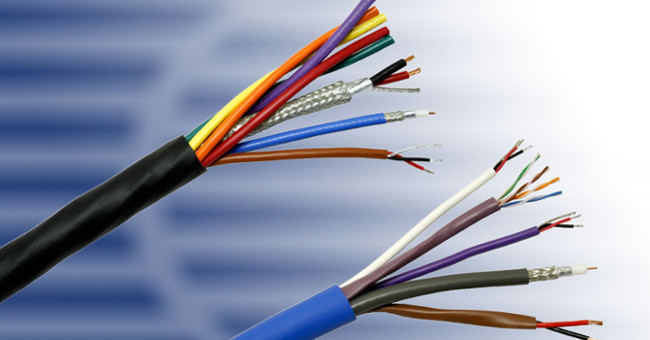
Microbiologists at the University of Massachusetts Amherst have found a way to make the wire a thousand times thinner than hair strands.
Browse ScienceInfo articles and explainers related to Ultra Thin.
50 published items.
Microbiologists at the University of Massachusetts Amherst have found a way to make the wire a thousand times thinner than hair strands.
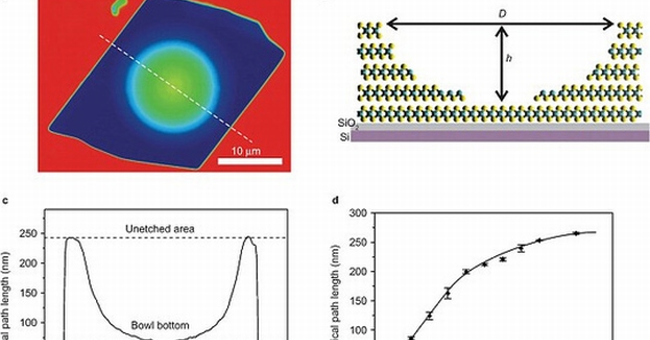
Scientists at the Australian National University (ANU) have successfully developed a camera lens that is 2,000 times thinner than human hair.
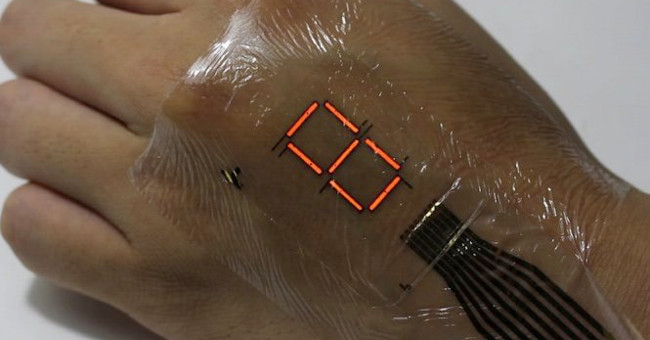
For the first time, Japanese scientists have demonstrated that an ultra-thin and flexible electronic display screen made from organic electronics does not impair tactile…
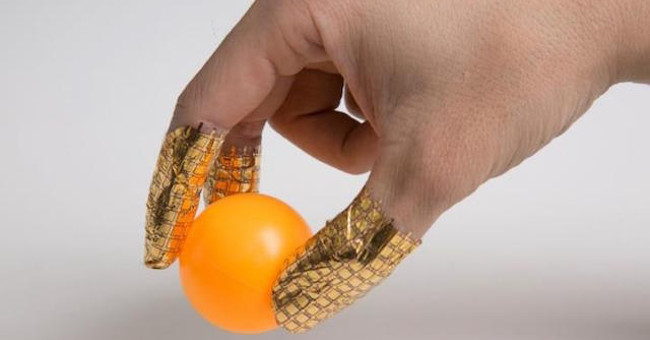
Although there are currently some types of pressure sensors that can be flexed, most of them lose accuracy when twisted and wrinkled.
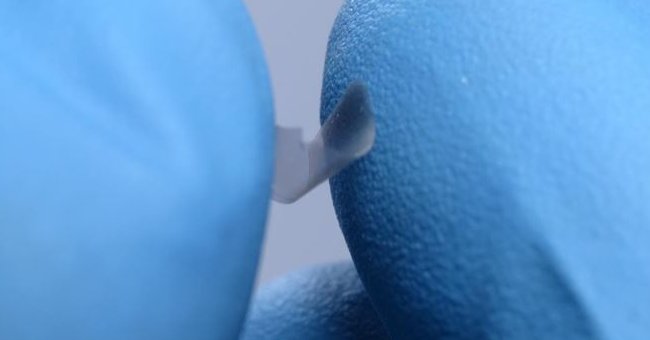
Researchers at the University of Pennsylvania have just created a super-thin, ultra-light and ultra-durable material.
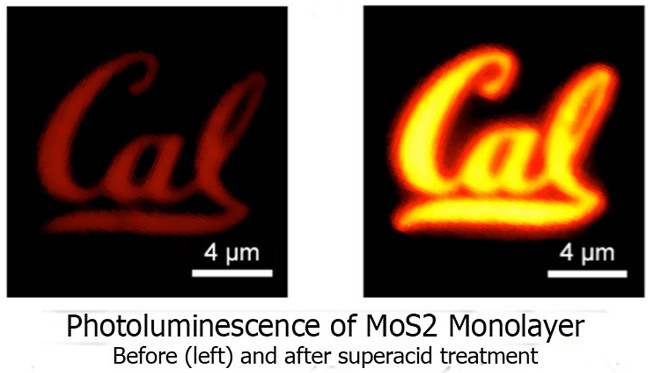
With a breakthrough in the process of producing ultra-thin semiconductor films at the atomic level, scientists have set the stage for the emergence of transparent LED di…

Not only is the storage capacity of supercapacitors equivalent, the electrical storage material can recharge hundreds of times with each charge lasting only a few second…
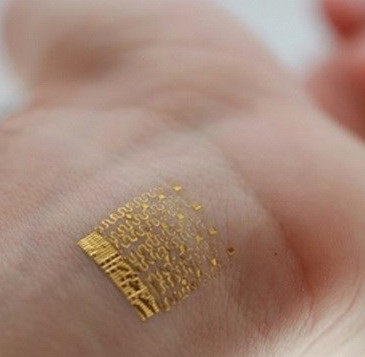
Japanese researchers have developed a super-thin temperature sensor that can be attached directly to the skin.
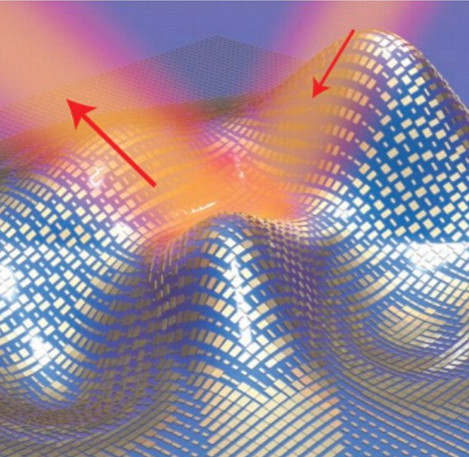
Invisibility cloak is an indispensable item in many cult sci-fi movies, from Star Trek to Harry Potter.

The latest work on graphene is known as the world's thinnest lamp.
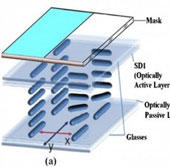
Scientists at the University of Science and Technology in Hong Kong have successfully researched a super-thin LCD panel that does not require electricity.
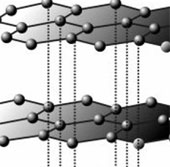
One day, you could stick a temporary tattoo on your skin in the form of layers of tiny light-emitting diodes.
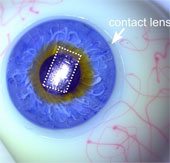
Researchers have developed an ultra-thin, transparent and flexible microchip that can wrap around a human hair that still works well.
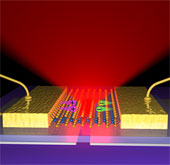
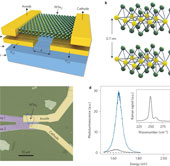
Scientists at the University of Washington have successfully created the world's thinnest LED ball that can use light energy.
Graphene, germanium, and many other elements have become a fascinating field of research for scientists to create materials for the future.