Environment
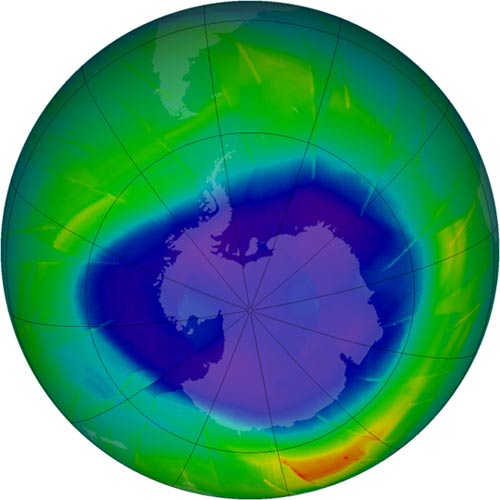
Ozone hole ... is shrinking
World Meteorological Organization (WWO) predicts ozone depletion in Antarctica, this year, is likely to be smaller than the loss in 2008.
Browse ScienceInfo articles and explainers related to Ultraviolet.
164 published items.
World Meteorological Organization (WWO) predicts ozone depletion in Antarctica, this year, is likely to be smaller than the loss in 2008.

Researchers at the University of Delaware have discovered why the tall, flowering reed (Phragmites australis) is one of the largest invasive plants in the United States.
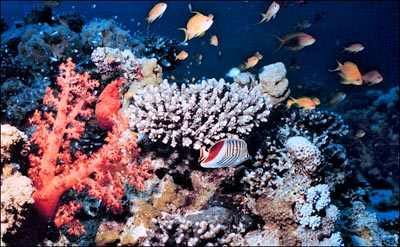
According to a European Commission (EC) research group, creamy ultraviolet filters are used to protect the skin that causes the loss of color of coral reefs in the world.
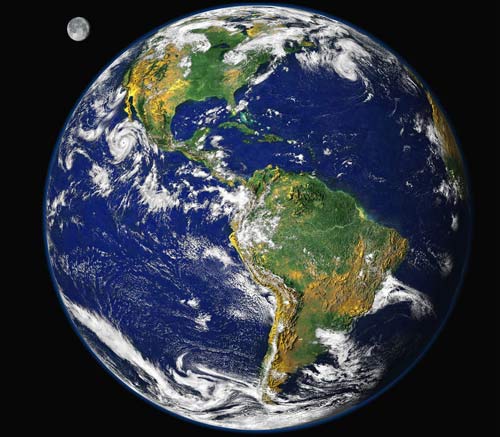
Australian scientists say satellite measurements show that the hole in the Antarctic ozone layer is shrinking, with the smallest size in the last 10 years.
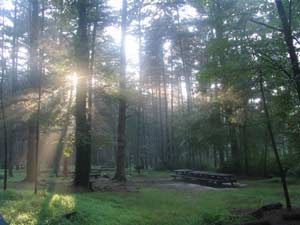
The work of German scientists, published in the American journal Nature, shows that it is the source of sunlight that cleanses the Earth's polluted atmosphere.
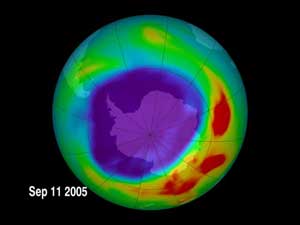
The earth's ozone layer is against 90% of the sun's ultraviolet radiation, making it possible for us to survive and live on the earth's surface. Scientists have recently…
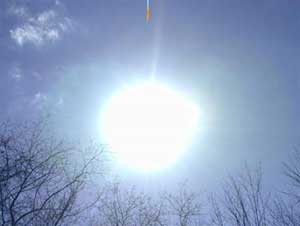
According to a report released by the Canadian Ministry of the Environment on April 22, the level of harmful ultraviolet radiation this year is said to be the highest ev…
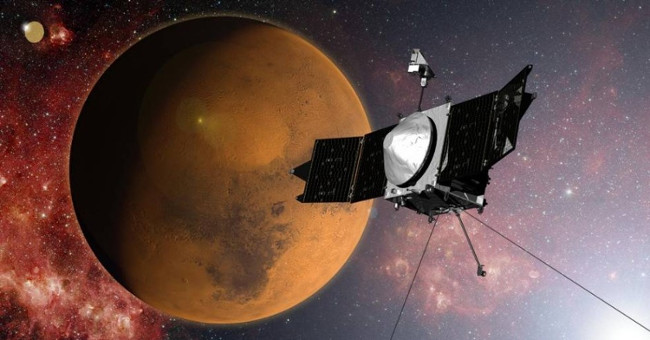
Unprecedented images of ultraviolet light on the Martian atmosphere have just been sent from NASA's MAVEN spacecraft.
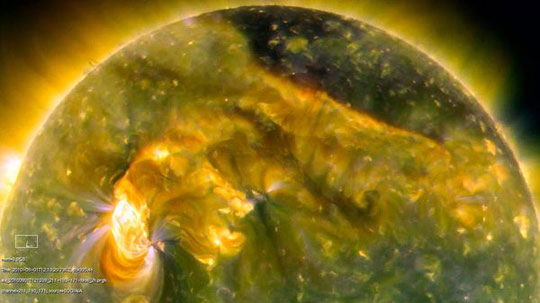
The Sun observation spacecraft captured impressive images of a Sun storm.
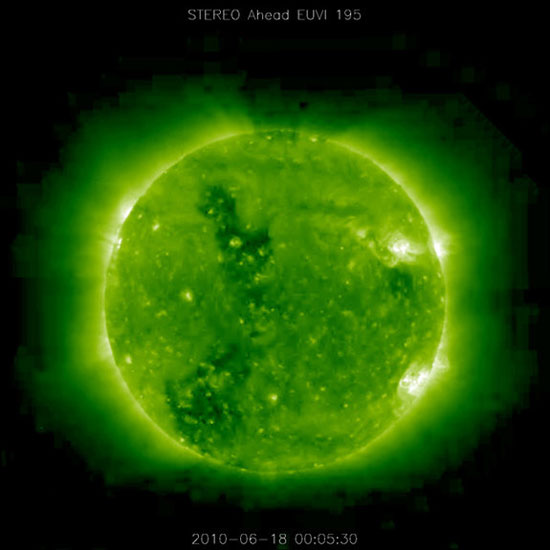

Human skin color is now the result of a long evolutionary process under the guidance of light from the Sun.
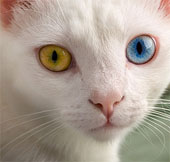
Because the eye structure is very different from humans, the images of the world around them in the eyes of animals are not the same as what we see.
According to the Huffington Post, this rarely seen behavior is recorded under ultraviolet light in the science series

Scientists have for the first time observed the real-time movement of an outermost electron of an atom.
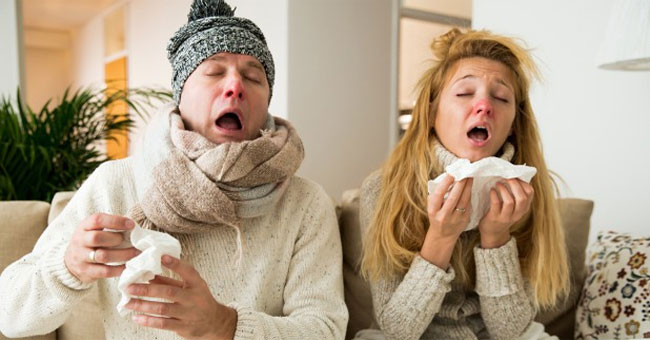
Influenza viruses are really scary when they can survive and crept around the corner, sometimes causing a pandemic.