Oceanography
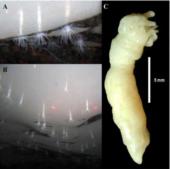
Sea anemones live under Antarctic ice
An anemone species was found under the Antarctic thick ice, and became the first marine creature to be discovered to live on ice.
Browse ScienceInfo articles and explainers related to University.
4,907 published items.
An anemone species was found under the Antarctic thick ice, and became the first marine creature to be discovered to live on ice.
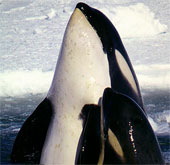
Killer whales undergo menopause the same as in humans, and this trait can be evolved to improve their descendants' survival.
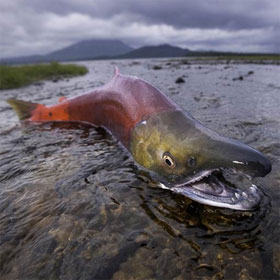
Scientists at the University of East Anglia (UEA) in the UK are looking for a solution to the mysterious selection mechanism, avoiding the risk of fertilization that the…
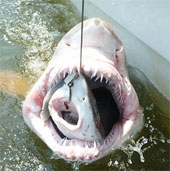
American scientists were surprised when a big shark jumped up and swallowed the small shark they had just caught.
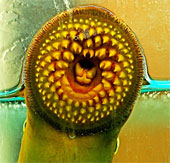
Biologists at the University of Michigan have discovered a range of fat cells near the anterior dorsal fin of male male cobia when the female approaches.
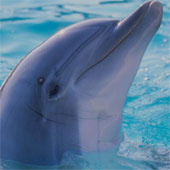
The team at the University of St Andrews in Scotland found more evidence that dolphins know to use their own signals to report and receive feedback to individuals in the…
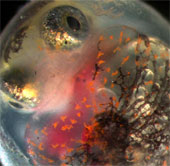
Scientists have recently discovered fish that have defects, three years after the Deepwater Horizon oil spill.
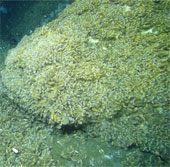
This area of hydrothermal vents is located deep west of the North Atlantic, far from the solar energy that helps sustain life.
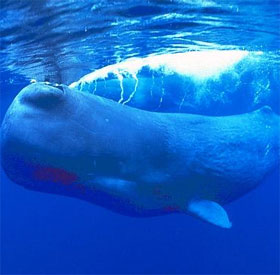
Scientists have studied myoglobin, a protein that stores oxygen in the muscles of mammalian marine animals. It's a non-stick protein.
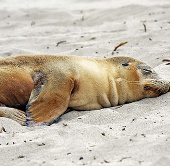
Research by Biology Professor John Peever and colleagues at the University of Toronto (Canada) and University of California (USA) has identified several types of chemica…
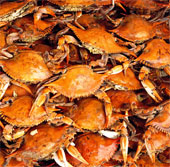
Scientists at the Center for Fisheries Research at the University of California found that high levels of carbon dioxide in the air have made crabs bigger, faster and ha…
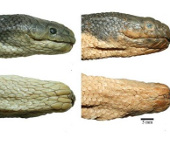
Researchers at the University of Queensland have discovered the secret of deadly venomous sea snakes that were once thought to belong to a single species.
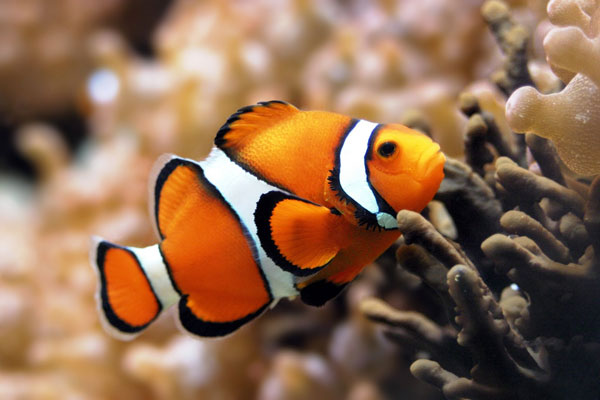
Dr. William Cheung, an expert at the University of British Columbia in Canada, and his colleagues modeled the impact of global temperature rise on more than 600 species…
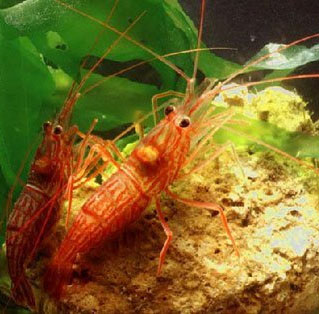
Microbiologists of the University of Portsmouth (UK) discovered that paramyxean parasites are the culprits that make males turn into females.