Environment
The earth may halt heating up in the next 10 years
According to a recent study, global warming may be interrupted in the next 10 years.
Browse ScienceInfo articles and explainers related to Warm.
997 published items.
According to a recent study, global warming may be interrupted in the next 10 years.
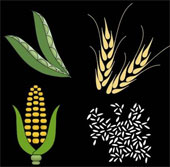
Many studies have demonstrated the ability of global climate change to cut down on food supplies.

April 2014 has entered the history of world meteorology when it became the hottest month since experts began collecting and recording data on the average temperature of…
A recent study by Yale University found two terms that are often used interchangeably
So far, more and more scientists supporting Earth theory will warm up due to the effects of climate change, causing sea levels to skyrocket because of ice melting in the…
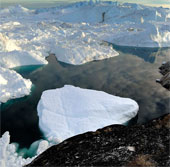
About half of the warming on the surface narrowed Greendland's ice masses due to temperatures in the Pacific tropical ocean, not from greenhouse gases.
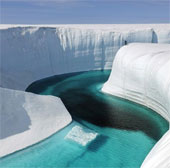
Global sea levels are rising at an unusual rate as the Greenland ice sheet begins to melt after a sustained effort.

Predicting the world in the next century: hotter, drier, more hungry and the chance of turning off air conditioning is impossible.

Fresh water is becoming increasingly scarce, while global warming is melting ice at the poles of the Earth.
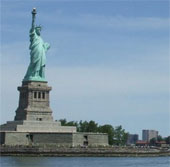
If the global warming trend shows no signs of mitigating, some of the world's most famous and historic cultural landmarks may be destroyed by rising sea levels within th…
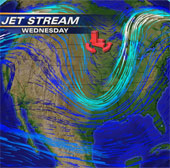
According to the BBC on February 15, the Arctic temperature has increased 2-3 times faster than the rest of the world, leading to an increase in the jet stream.
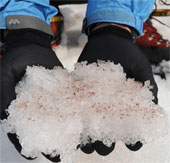
The ice layers in the Arctic are becoming less bright due to the fast melting situation associated with the warming of the Earth.
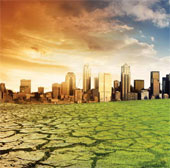
Global warming will not reduce the rate of deaths in the winter as some predicted previously, because the weather will have more extreme forms even less cold.

The phenomenon of surface water in the Western Pacific region has warmed China, Japan and South Korea to the threat of massive tropical storms.
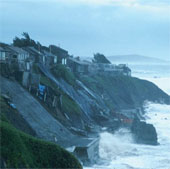
A new study published in the journal Nature Climate Change today shows that climate change will make El Nino's frequency increase significantly in the 21st century.