Science invention
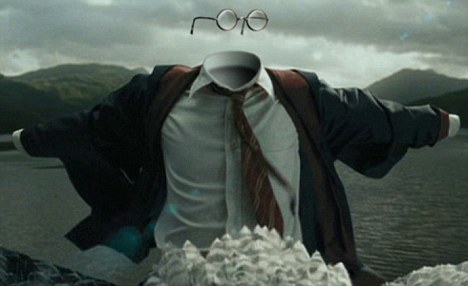
Harry Potter's invisibility cloak can become a reality
British scientists have invented a new material capable of creating an invisibility cloak of Harry Potter characters.
Browse ScienceInfo articles and explainers related to Wavelength.
64 published items.
British scientists have invented a new material capable of creating an invisibility cloak of Harry Potter characters.

The Royal College of London recently published a description of how to create a material that can hide objects in visible light.

With a 10-fold increase in speed, the high-definition movie

Researchers estimate that 12,000 windows at the World Trade Center in New York City can provide electricity to more than 350 apartments.
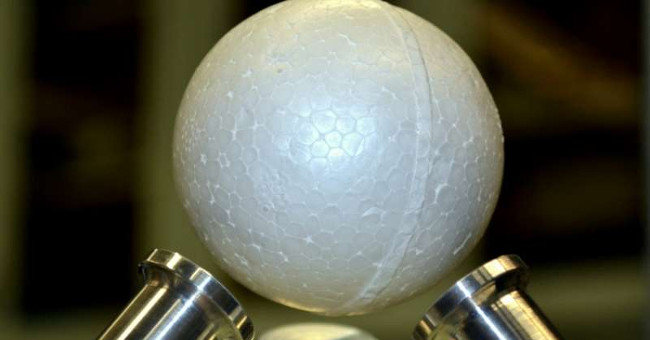
The study of the use of ultrasound to lift and hold objects in the air will enable scientists to study objects with extreme conditions.
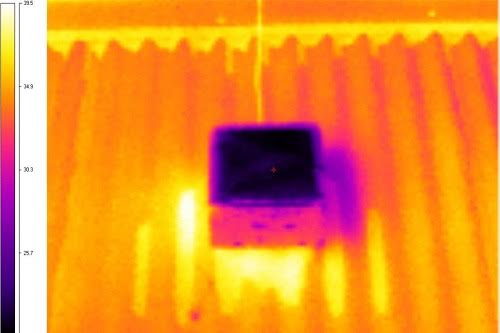
Scientists at the University of Technology in Sydney have invented a self-cooled roof material.

A Harry Porter invisibility cloak is just a product of imagination and, in fact, to create a similar product requires the use of negative refractive index materials for…
Radar can appear in a variety of devices including mobile phones thanks to the invention of small chips with fingernails for just over a dollar.

If the current laser can blind enemy satellites or burn enemy gases, in the future this technology can guide the lightning bolts straight and destroy targets on the batt…

Physicists at the Massachussetts Institute have successfully researched wall-mounted cameras. The latest success of the upcoming US scientists will ...

Scientists have successfully researched a new nanoscale lens that can capture super-high-resolution images that current technologies have not yet achieved.

University of California scientists say they have succeeded in making a camera capable of taking 6 million images per second.
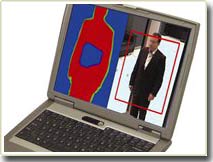
UK company ThruVision has launched a camera that can detect weapons, drugs or explosives hidden beneath clothing. The T5000 camera has the above mentioned features thank…
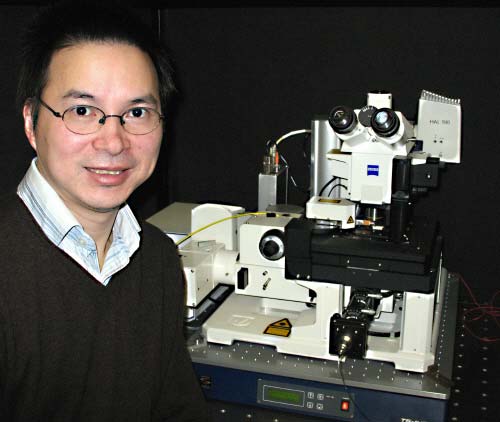
An array specially designed by nano holes can focus light into a tiny point, smaller than the wavelength of light used. It was a result just published by a group of Brit…
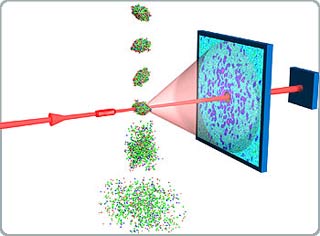
For the first time, Lawrence Livermore National Laboratory scientists (LLNL) have demonstrated that people can use extremely powerful and ultra-short X-ray pulses to 'ca…