
Biology
The relationship between sex and age in worms
A group of scientists studying sex pheromone in worms found that this pheromone simultaneously controls a stage in the worms' life cycle, the long-lived larval stage.
Browse ScienceInfo articles and explainers related to Worm.
454 published items.
A group of scientists studying sex pheromone in worms found that this pheromone simultaneously controls a stage in the worms' life cycle, the long-lived larval stage.
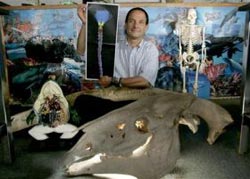
Jeff Goodhartz lives alone and has no children. But he wanted his name to continue to circulate after his death. So he spent $ 5,000 to name a newly discovered worm:
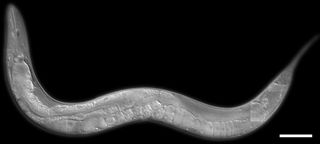
Recently in BMC Physiology, researchers have described a new luminescent modified worm that allows for the determination of the metabolism of an entire living organism.
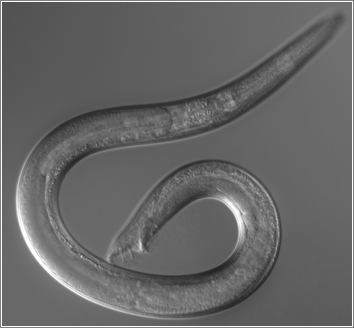
Based on a nearly bloodless worm, researchers at the University of Maryland have discovered an important clue about how iron in human blood can be absorbed and transport…
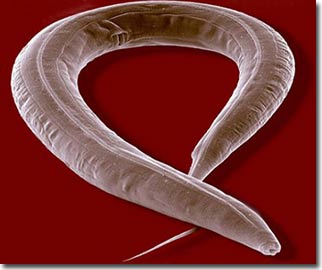
The roundworm C. elegans, the main subject of research, may be the key to opening the door to one of the central biological mysteries: Why we sleep. Researchers at the U…
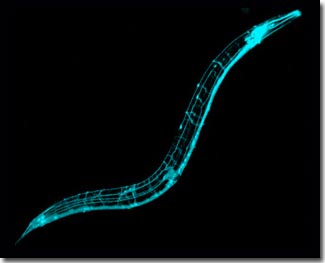
Hydrogen sulphide, or H2S, is a rotten egg-smelling compound that has been successfully used by researchers at the Fred Hutchinson Center for Cancer Research to make the…
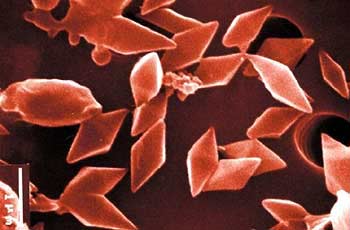
In the kingdom of microorganisms, there are many poachers of worms. Hundreds of thousands of years ago, they still silently helped people to kill pests, protect fields.…
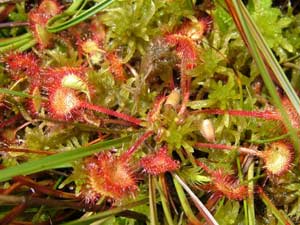
The worm catcher Drosera, also known as the High Mao, is a perennial herbaceous plant capable of catching worms. The tree is 10-20cm tall, has a clear stem, leaves grow…
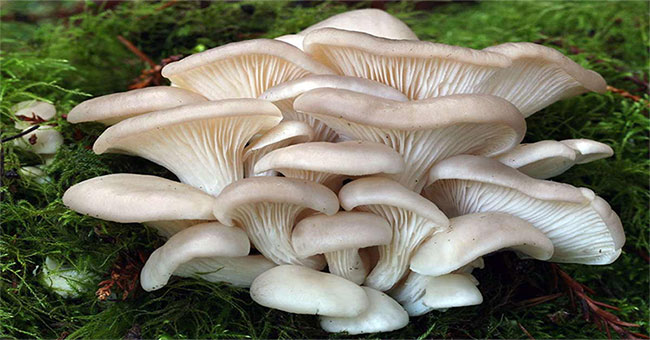
On the surface, oyster mushrooms don't seem to be dangerous. It is also an edible fungus. However, hidden behind that gentle look is a wise and most brutal predator in t…
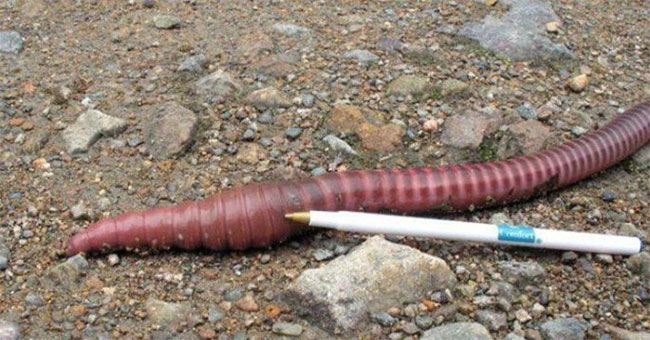
The giant Gippsland earthworm that lives in southeastern Australia is believed to be the world's largest worm.
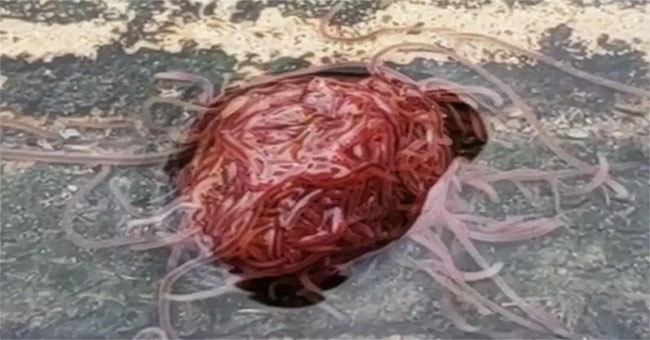
The video is made by a resident of Houston, Texas (USA) who makes the viewer look like a
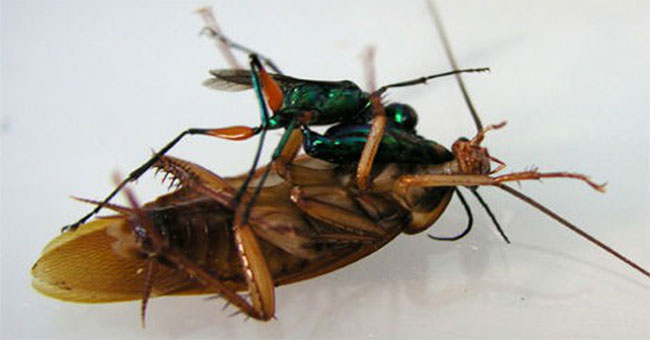
Unlike zombies in horror movies that are dead, real zombies still live, eat and sleep normally.
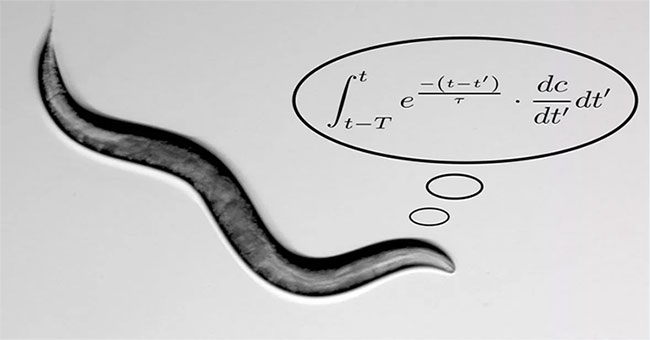
Like most worms, the roundworm Caenorhabditis elegans relies on the sense of smell to find food.
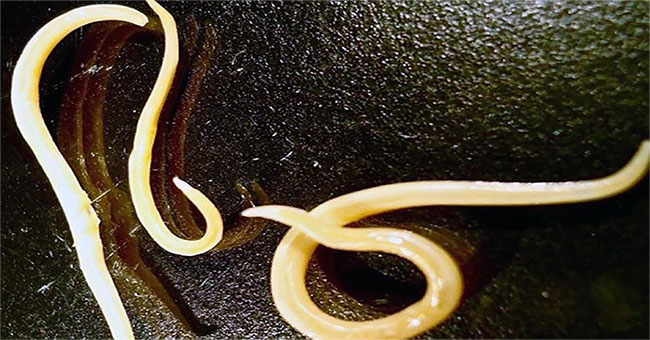
The ancient worm revived after 42,000 years of buried under permafrost promises to help scientists achieve a breakthrough in freezing technology.
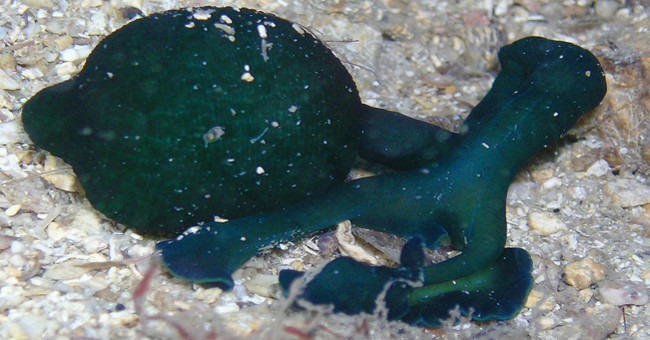
This worm belongs to the Echiura class, a creature that is difficult to collect and difficult to distinguish, so many of them have not been thoroughly studied.