Archeology
The papyrus suddenly revealed the love of ancient Egypt
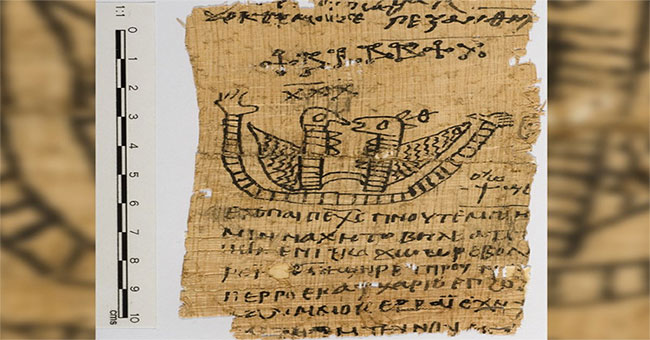
The papyrus, according to scientists dating back at least 1300 years in Egypt, depicts images of two winged creatures poking at each other.
Browse ScienceInfo articles and explainers related to Worm.
454 published items.
The papyrus, according to scientists dating back at least 1300 years in Egypt, depicts images of two winged creatures poking at each other.
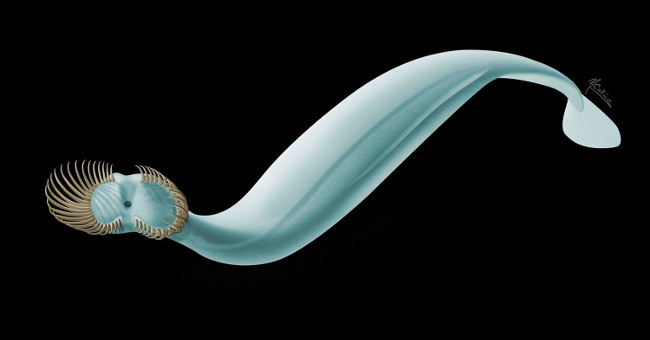
Long before the dinosaurs dominated the Earth, the sea worm Capinatator praetermissus appeared in the oceans of the Cambrian period about 541 million years ago.

Italian researchers found the earliest description of worm disease only when studying a medieval painting.
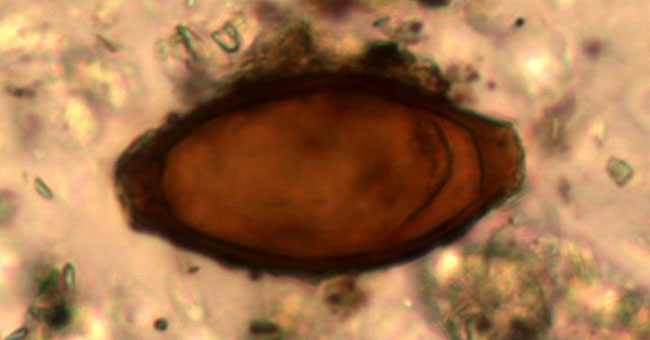
Ancient Romans contributed to the risk of parasites such as worms, and lice increased significantly.

A type of worm that lived 535 million years ago had a steel-like body covered with sharp teeth around its mouth and bristling spines protruding from its body.
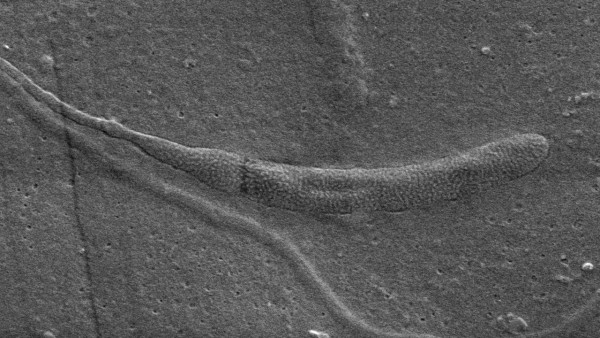
From the Antarctic icy land, researchers unearthed a prehistoric jewel: 50 million-year-old sperm.
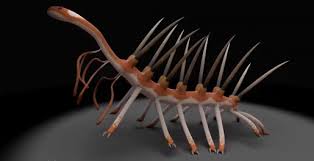
Canadian and British scientists recreated a species of creatures more than 500 million years ago, worms-like but with sharp spines, legs, eyes and teeth, based on fossil…
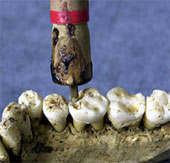
Ancient evidence demonstrates the ingenuity and aesthetics of ancient people in cosmetic dentistry practice many millennia ago.

Canadian paleontologists recently learned that, for more than a decade, they have owned a fossil of hard-shelled worms that lived hundreds of millions of years ago.
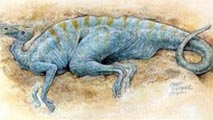
Each reigns over the earth and the ocean 75 million years ago, but dinosaurs still become the prey of those who live

A package of goods containing tens of thousands of worms has been sent to space by British scientists to study the preparation of medicinal herbs to repel aging.

Hawking said that time travel would be a reality, but he was also aware of something extremely important.
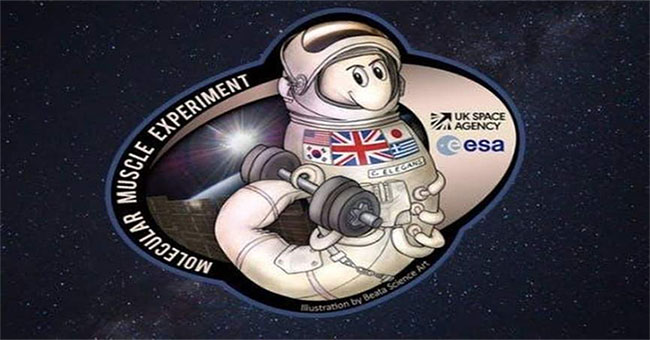
Molecular muscle experiments on worms will help scientists better understand the astronaut's loss of muscle in space.
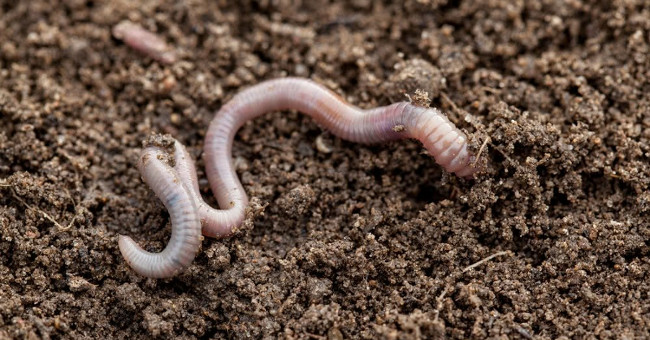
New research shows that earthworms can live and reproduce smoothly in simulated Martian soil

Biologists from Tufts Private Research University, USA sent Dugesia japonica to the International Space Station for 5 weeks before bringing it back to Earth.