While the whole world is striving to minimize carbon emissions, no one expected this environmentally harmful fuel to suddenly become so popular.
Coal prices have once again surged, and global coal consumption is expected to return to the record levels reached nearly 10 years ago, as the global energy crisis continues. Analysts say that while many investors in coal reserves are pleased with the high prices, limiting carbon emissions is being downplayed. This is due to markets and governments scrambling for traditional energy sources amid shortages stemming from tensions between Russia and Ukraine.
In addition, the slowdown in investment in new coal-fired power plants has tightened coal supplies, said Peter O'Connor, senior analyst at Shaw and Partners. "Who would have thought that dirty coal would be the best-performing stock of the past fiscal year? Until this fiscal year, it was also the best-performing sector ," O'Connor said . "And looking ahead to the coming year, with the Northern Winter, gas prices in Europe and available gas supplies, countries are returning to coal."
He analyzed: "Coal supply is scarce. Why? Because nobody can produce coal and markets will remain tight due to weather and Covid-19. Therefore, coal prices will remain higher for a long time, possibly until 2023. "
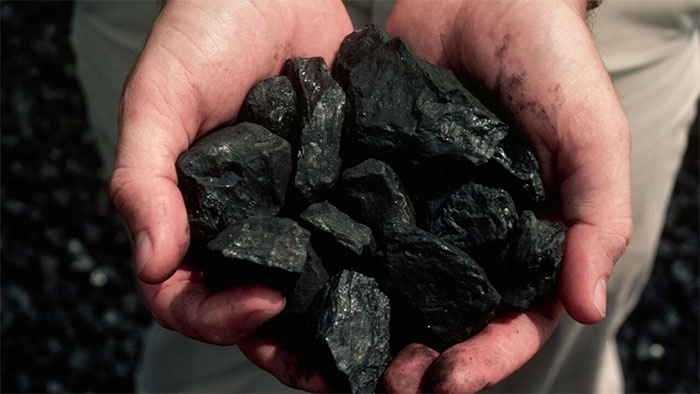
Coal prices began to rise after tensions between Russia and Ukraine started.
The price of coal used in thermal power plants has increased by approximately 170% since the end of last year, following the start of Russia-Ukraine tensions. Conversely, coking coal, a raw material for steel production, is currently cheaper. Due to various factors, the slowdown in China's economic growth has cooled the steel industry, and consequently, the demand for coking coal has also decreased.
The International Energy Agency (IEA) released a new report on August 3rd, warning that global coal consumption will increase by 0.7% in 2022, reaching a record high set in 2013. This would occur if the Chinese economy recovers as expected in the second half of this year. "Total global coal consumption will reach the record level set in 2013 and coal demand is likely to increase further next year, reaching an all-time high ," according to the IEA's Coal Market Update.
The IEA stated: "That sharp increase has contributed to the highest annual CO2 emissions ever recorded." According to IEA data, global coal consumption rebounded by approximately 6% in 2021 as the global economy recovered from the shock of the Covid-19 pandemic.
The main reason for the continued increase in coal demand is the energy shortage as the European Union is determined to eliminate Russian gas, and Russia retaliates by cutting supplies to the continent. Therefore, coal consumption in the EU is expected to increase by 7% in 2022, higher than last year's 14% increase, according to the IEA.
"This is driven by demand from the electricity sector, with coal gradually replacing natural gas as the latter becomes increasingly scarce and experiences significant price increases ," according to the IEA. "Some EU countries are extending the lifespan of coal-fired plants slated for closure, bringing shut-down plants back online, or raising operating hours to reduce gas consumption." At the same time, Russia's boycott of coal is also adding pressure to push coal prices higher, the agency said.
ANZ Research commodity analysts Daniel Hynes and Soni Kumari analyzed: "Europe's biggest fears have come true this week after Russia cut its Nord Stream pipeline gas flow capacity by 20%. Gas reserves may not be sufficient to get them through the winter. Given Europe's limited ability to import alternative supplies, the region is likely to face intense competition for LNG shipments."
The global natural gas market, including the Asia-Pacific region, is experiencing a major shock. On August 3rd, Japan's Nippon Steel Group signed an agreement with the mining and trading giant Glencore to supply coal at $375 per ton. This is the highest price a Japanese company has ever paid for this commodity, according to Bloomberg.
Overall, rising energy costs continue to contribute to increasing global inflation, forcing central banks to continue tightening monetary policy. The US Federal Reserve raised interest rates by 75 basis points on August 3rd, the latest move in a series of rate hikes aimed at curbing inflation.
- Giant wolf fish wipes out all the lobsters in American fishermen's nets.
- Volcanic eruption in Tonga ejects 146 million tons of water into the atmosphere.
- The mystery of the true depth of the world's deepest freshwater cave.