Animal world
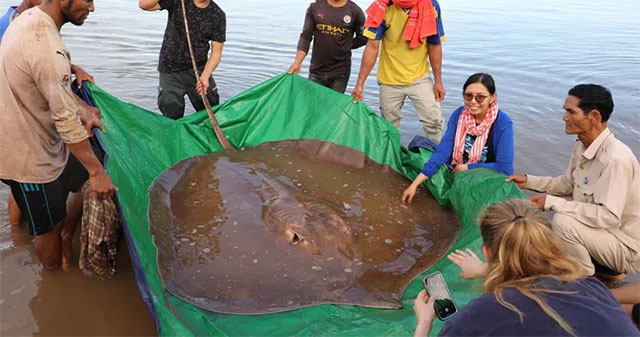
Cambodian fishermen caught a giant stingray in the Mekong River
Cambodian fishermen were surprised when they accidentally caught an endangered giant freshwater stingray, 4 m long and 180 kg in weight.
Discover wildlife, animal behavior, unusual species, survival strategies and remarkable adaptations from ecosystems around the world.
6,142 published items in this category and its subcategories.
Cambodian fishermen were surprised when they accidentally caught an endangered giant freshwater stingray, 4 m long and 180 kg in weight.
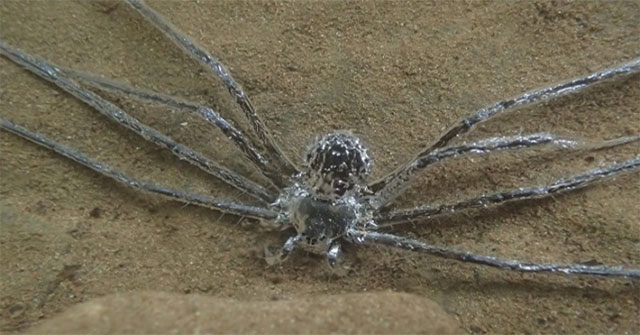
A tropical spider uses air membranes to hide under water and hide from predators for half an hour, surprising scientists.
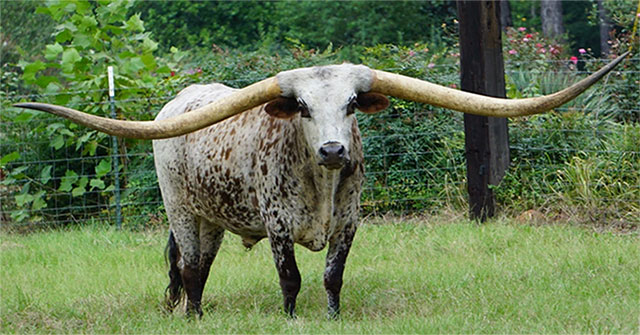
If you look at the creatures below, you will surely be amazed at the great size of the horns they possess. Even these horns are shaped like ivory.

Microplastics have been found in dried fish products across Asia, including China and Japan.
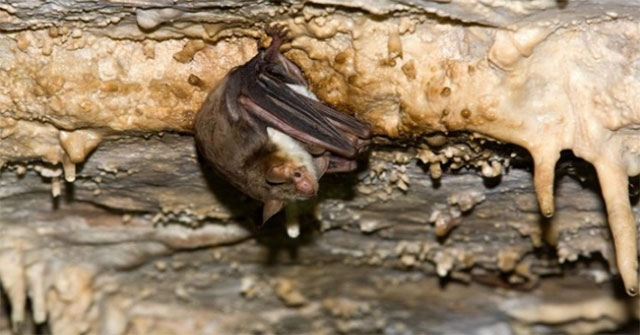
When the great mouse-eared bat (Myotis myotis) is caught by an owl, it mimics the buzzing of a wasp to fool predators.
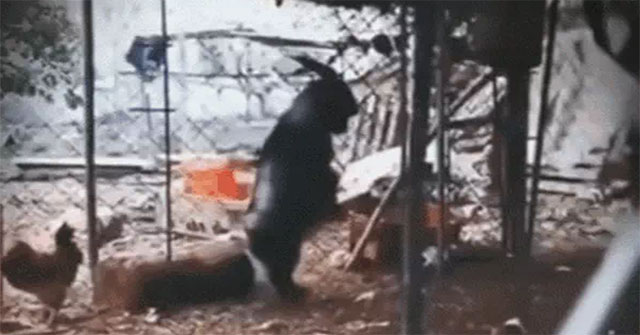
This is a strange phenomenon and makes the farm owner feel scared. The recorded clip also immediately caused an Internet fever.
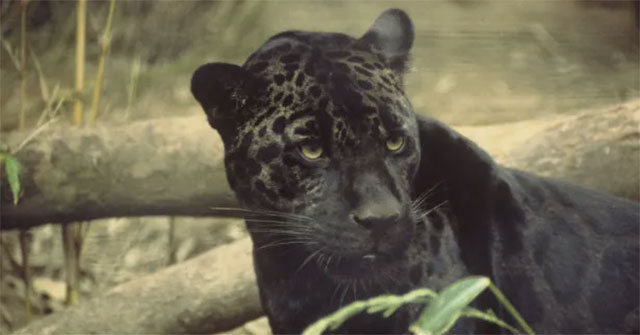
Imagine you are walking through the jungle in Southwest China when suddenly you come across a large dark patch, like a shadow, standing still.

Experts recorded the strange encounter between two dolphins and giant pythons on the Tijamuchi River, Bolivia
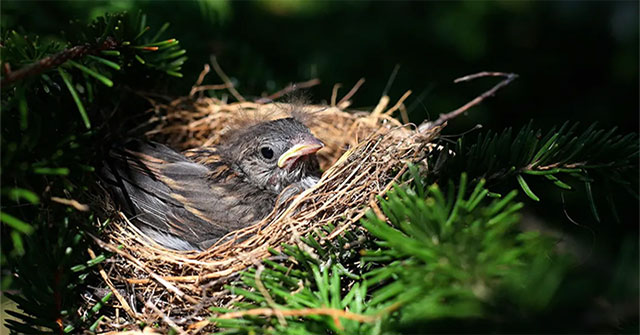
Some birds have elaborate dome-building habits, although many ecologists have long argued that dome-shaped nests better protect birds from threats such as predators or t…
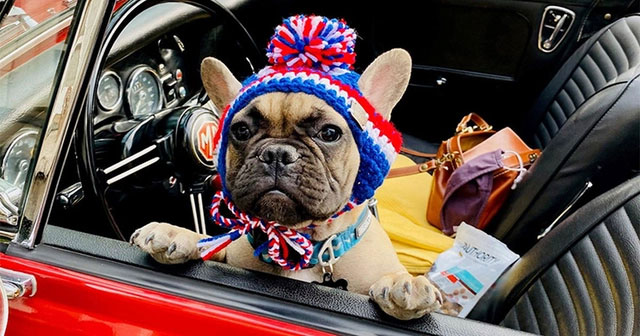
A famous town in the United States for more than 20 years has kept the habit of electing dogs to the most powerful position in town.
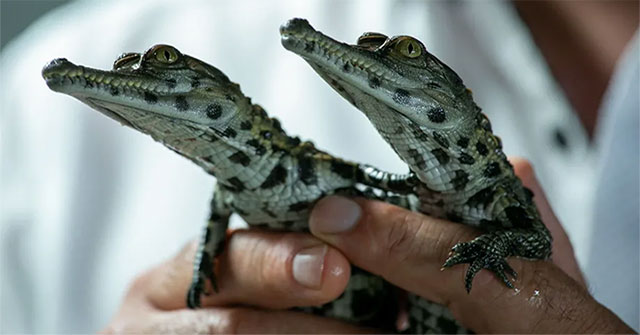
In a new study published in the journal Nature, an international team of wildlife conservationists warns of a worrying reality in their work.
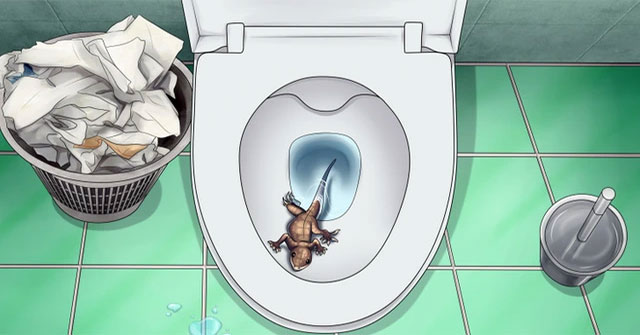
These creatures can get in through the pipe of the toilet, and if you are accidentally going to the toilet at that time, then...

Recently, scientists discovered the protein and process behind how bloodworms form their jaws.
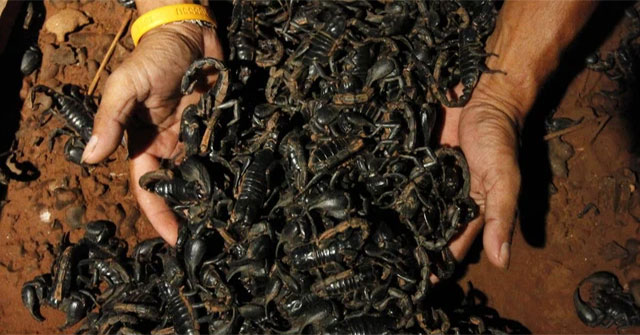
A team of researchers tested Indiana Jones' famous quote about scorpions and turned it out to be true.
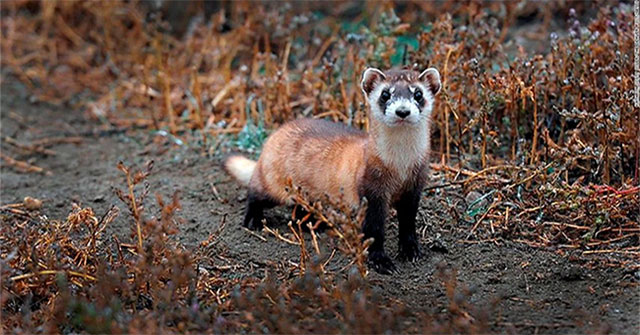
When Kurt Benirschke first collected skin samples from endangered species in 1972, he had no firm plan for what to do with them.