Animal world
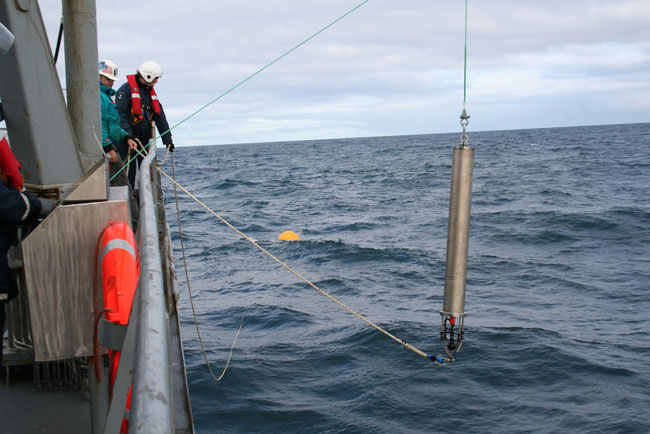
Finding the first whale near Greenland
A herd of North Atlantic head whales was discovered near Greenland in an area where the animal is thought to be extinct, using an underwater microphone system.
Discover wildlife, animal behavior, unusual species, survival strategies and remarkable adaptations from ecosystems around the world.
6,142 published items in this category and its subcategories.
A herd of North Atlantic head whales was discovered near Greenland in an area where the animal is thought to be extinct, using an underwater microphone system.
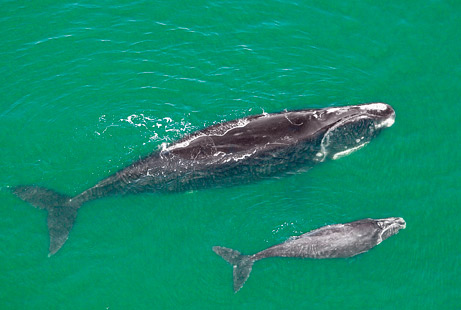
Experts say they have detected the kind of sound signal that calls each other of the North Atlantic blue whale in a sea that used to be where whales live.
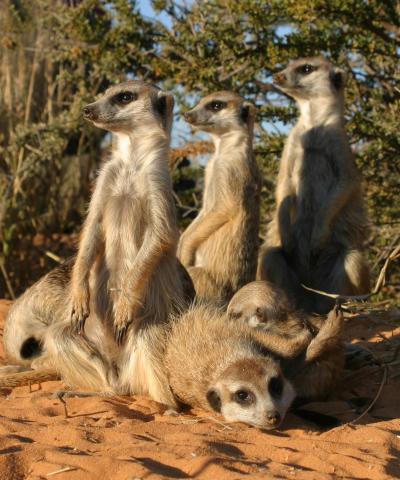
When observing colonial predators such as hounds, baboons and antelopes, people will be amazed at their intelligence.

The leopard grapples with crocodiles before killing opponents in a South African national park.

In a growing fetus, cell development follows a very strict cycle.

A mouse joking around with life when it comes to painting pieces of meat just under the nose of a leopard, in a reserve in southern England.

Rural male male finches cannot pair or make friends with urban birds, because they do not like each other's song.
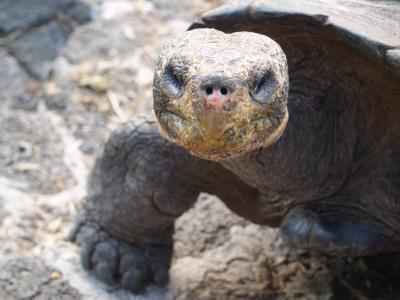
The Galapagos giant turtle and other typical wildlife are facing new diseases when the island's mosquitoes suddenly change the source of food to reptile blood.

In the world of spiders, the girls also fall easily when receiving gifts wrapped carefully from males.

A study in the UK showed that all large primates could laugh like humans.

American scientists have found the secret to help snakes crawl on smooth surfaces. Discovery helps us solve one of the oldest mysteries.

The astonishing images below show the fierce wild nature of life when the giant Anaconda attacked, entwined and fed the Caiman crocodile.

People are not the only animals that know how to use their eyes in communication. A recent study showed that gray crow crows could understand our eyes.
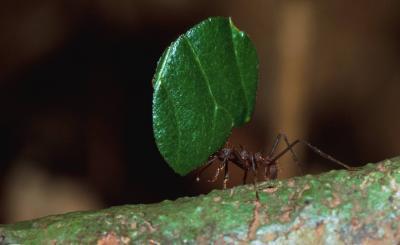
New diseases often directly affect life and safety of human food.
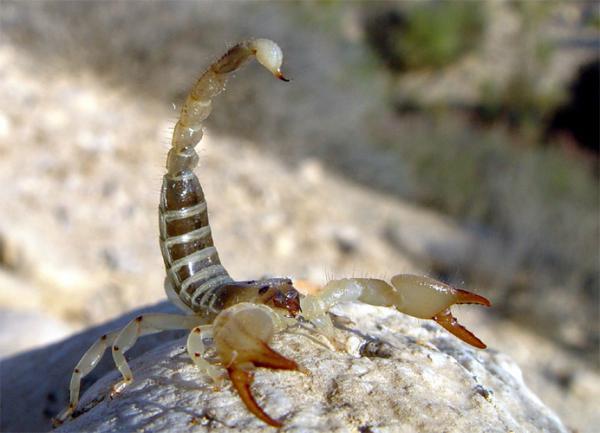
Scorpions are resistant to high temperatures and retain water for a long time, and therefore they proliferate in the barren and hot areas of the world.