Animal world
Discover wildlife, animal behavior, unusual species, survival strategies and remarkable adaptations from ecosystems around the world.
Latest in Animal world
Articles & explainers
6,142 published items in this category and its subcategories.

Animal world
Spider smile strange face in Hawaii
Patterns on the back of a spider in Hawaii form an image that resembles a smiling face of a human.

Animal world
Horse also has mustache
A 10-year-old horse in England became famous thanks to the yellow curly mustache. Seemingly aware of the advantages of the beard, he always tries to run away whenever he…


Animal world
Spiders are recruiting after death
In an experiment to understand the spider's ability to live in flooding, French scientists were surprised to find they did not die after being submerged in the water.

Animal world
Identify hyenas with laughter
Each hyena has a different laugh that conveys information about its age and position in its herd. This is the result of research by behavioral neurologists at the Univer…

Animal world
Birds know to dance like people
A recent study demonstrated that parrots also shook their heads, stamped their feet, moved and rotated their bodies to the rhythm.

Animal world
Hide camera under elephant dung to steal lions
Camouflage cameras with elephant dung and grass, scientists have taken unique photos showing the close-up life of the lord green forest.

Animal world
Fish also hurt
Does the fish know pain when caught in the hook? The results of the study by Purdue University (USA) confirm that there is.
Animal world
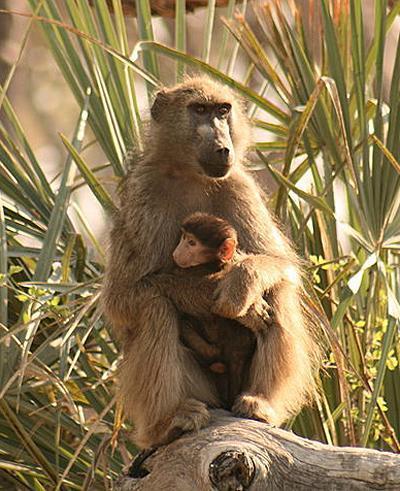
Baboons benefit from social relations
Robert Sayfarth's expert on monkey's social interaction began his lecture with a true story recorded in 1961 about a female baboon living in herds with goats in a Chau v…

Animal world
Strange friendship between dogs and orangutans
A wild orangutan and dog met love at first sight when they saw each other at the reserve in South Carolina, USA, and since then they have been wrapped in tangerines.
Animal world
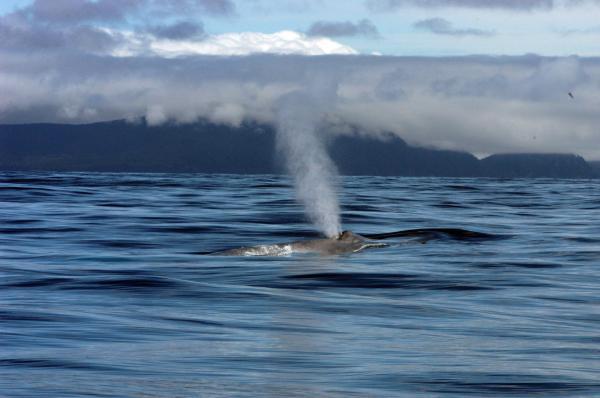
Blue whale re-establish historical migration patterns
The largest animal on the planet may be returning to the breeding area before whaling.

Animal world
Birds can remember human faces
Mockingbirds can distinguish the faces of many people, especially individuals that they consider to be threats.

Animal world
Komodo dragons use venom to kill prey
The world's largest lizard, Komodo dragon, has venom in the mouth to paralyze its prey. This finding suggests they are far more dangerous than many other reptiles.

Animal world
The predator ignored ignorant prey
Rare traits are always maintained in populations because predators can detect common characteristics more easily.