Biology
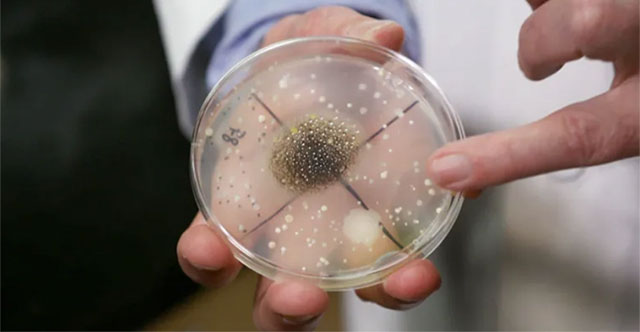
Microorganisms, mold 'attack' Space Station: Will they harm astronauts?
The discovery of mold and microorganisms on space stations has scientists worried about the serious consequences that humans will suffer when they return to Earth.
Explore biology, plants, fungi, insects and living systems through research, species profiles, natural adaptations and surprising life-science facts.
3,879 published items in this category and its subcategories.
The discovery of mold and microorganisms on space stations has scientists worried about the serious consequences that humans will suffer when they return to Earth.

Life has many different types and forms. Sometimes, there are species that use the sun's rays to generate energy - like plants, while there are species that choose to pa…
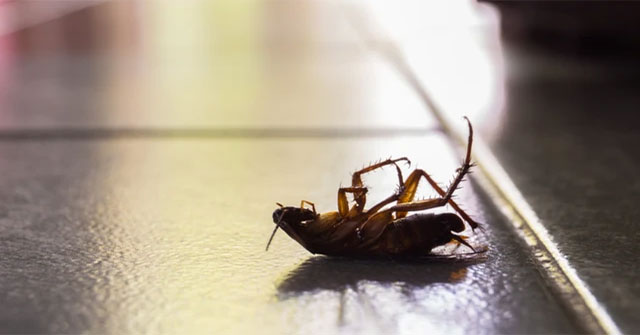
According to Japanese experts, here are the best ways to kill cockroaches and some ways to prevent them.
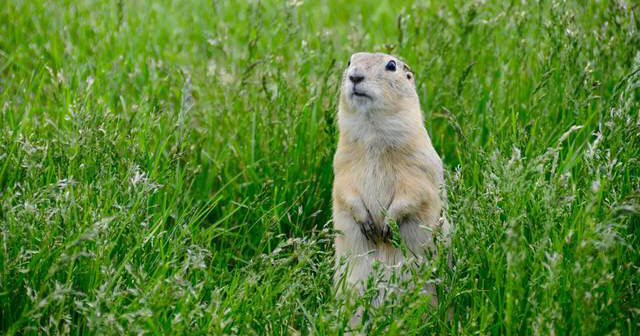
You may not know, many animals also know how to farm. This is proof that animals are evolving day by day.
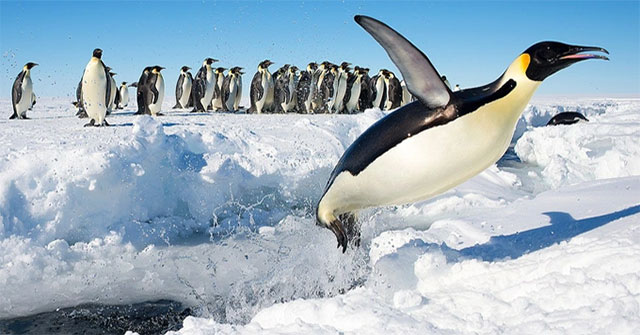
The penguin's ability to change can be limited by many objective factors. This seems to be predestined in their genes.
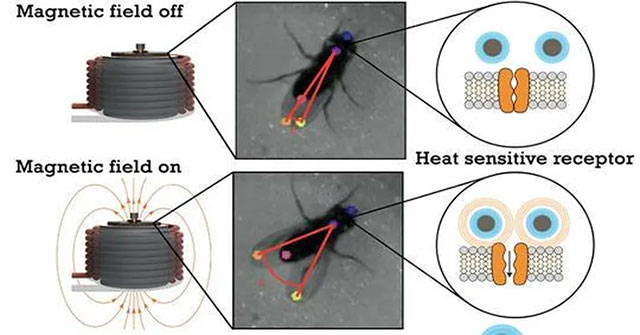
A new study has created fruit flies that 'essentially' can be controlled remotely .
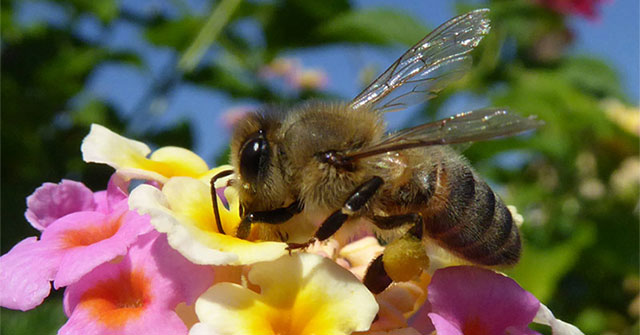
Some insects produce proteins when their bodies are subjected to pain, which have the same effect as humans in regulating how the brain perceives.
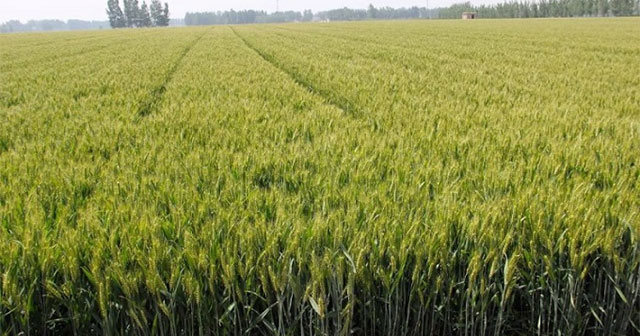
Wheat, rice, corn, soybeans... are sent into space in short flights to help scientists develop new high-yielding and disease-resistant varieties.
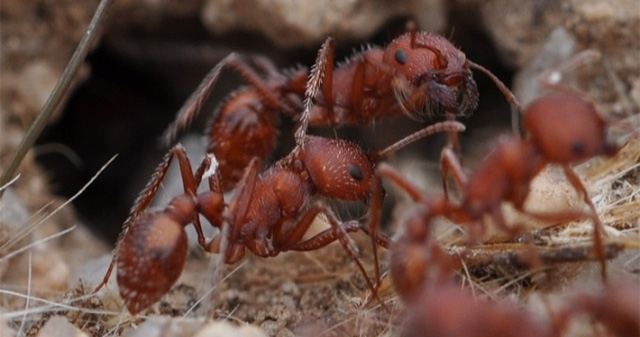
A team of paleontologists recently discovered 10 previously unknown species of ancient mammals with the help of reaping ants.

The groundbreaking experiment with mice successfully cloned from only frozen skin cells will pave the way for humanity's daring dream: Bringing extinct creatures back fr…
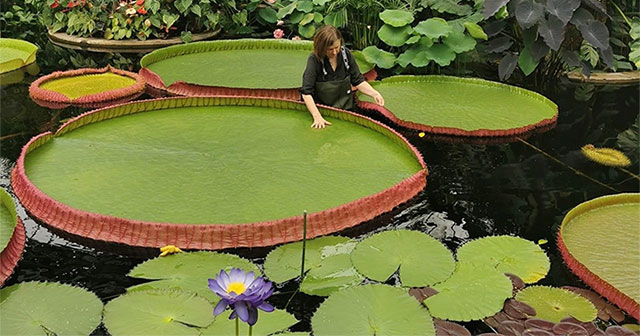
On July 4, experts at Kew Gardens in London (UK) said they had discovered a new giant water lily, which appeared for the first time since the middle of the 19th century.
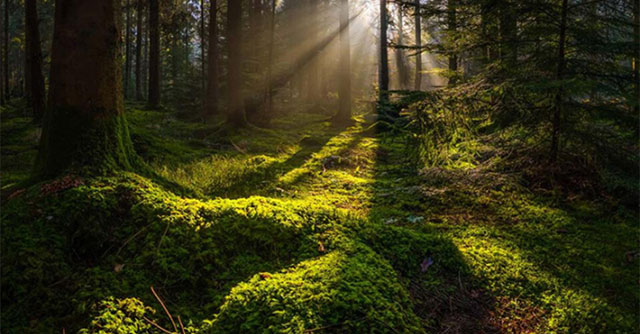
Plants appeared on land about 470 million years ago, but trees and forests did not form until nearly 390 million years ago.
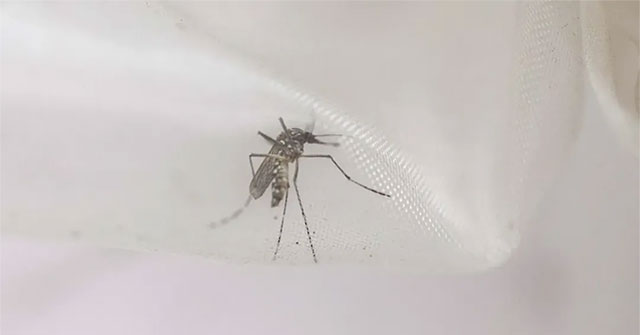
Mosquitoes need sleep to function properly, just like us. In fact, laboratory mosquitoes sleep between 16 and 19 hours a day, depending on the species and the level of a…
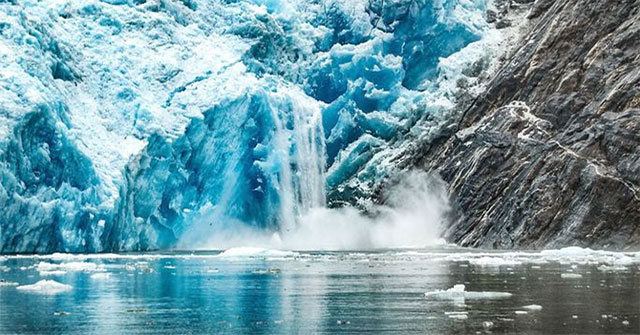
Scientists have been shocked to discover that 900 species of microorganisms that have never been known in the world are being sealed in the permafrost in Tibet, includin…
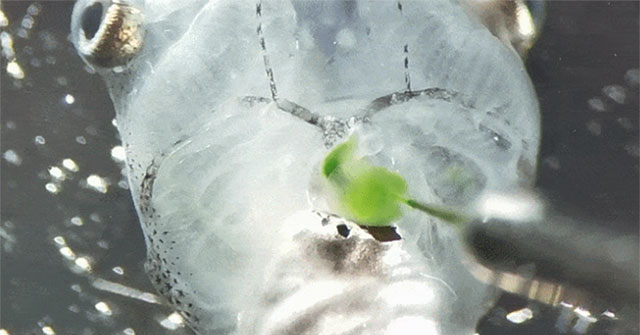
The researchers injected photosynthetic algae into the tadpoles, thereby creating a symbiotic relationship between the amphibians and microorganisms, allowing the amphib…