
Biology
Beef-rice hybrid: Sustainable food promises to replace meat in the future
Korean researchers have created beef rice for the first time by cultivating beef skeletal muscle and fat stem cells in rice grains.
Explore biology, plants, fungi, insects and living systems through research, species profiles, natural adaptations and surprising life-science facts.
3,879 published items in this category and its subcategories.
Korean researchers have created beef rice for the first time by cultivating beef skeletal muscle and fat stem cells in rice grains.
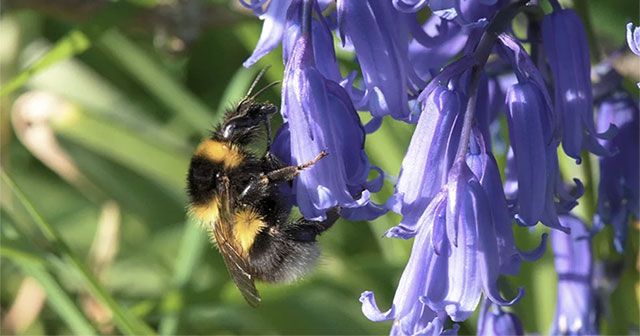
Flowers have many ways to signal to insects which flowers have pollen, for example by color, scent and even changes in electrical current.
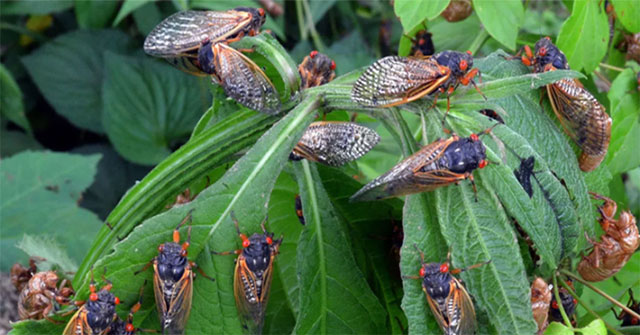
Two groups of cicadas, Brood XIII and Brood XIX, appeared at the same time in a double event, causing the number of cicadas across 16 US states to reach trillions.
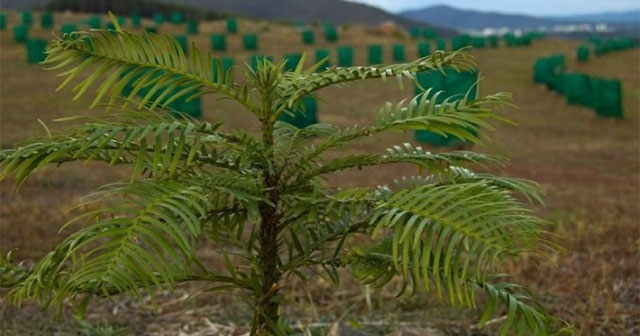
A group of scientists is looking to reintroduce the Wollemi pine, which went extinct 2 million years ago, in the wild.
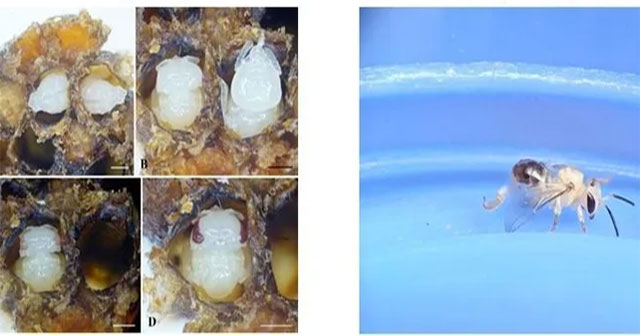
Scientists from the Vietnam Academy of Science and Technology have discovered that honey bees have economic potential, due to their outstandingly high honey quality.
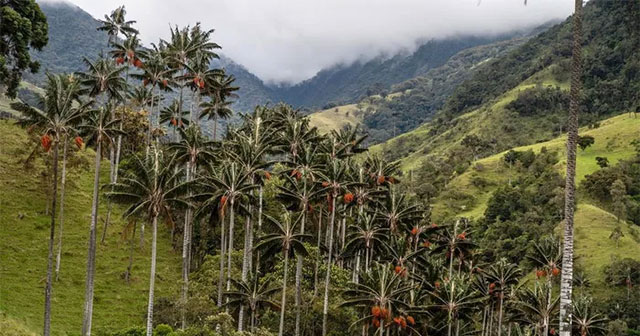
A giant, strange palm with straight trunks, surprisingly high up to 50 meters, is only found in Colombia.
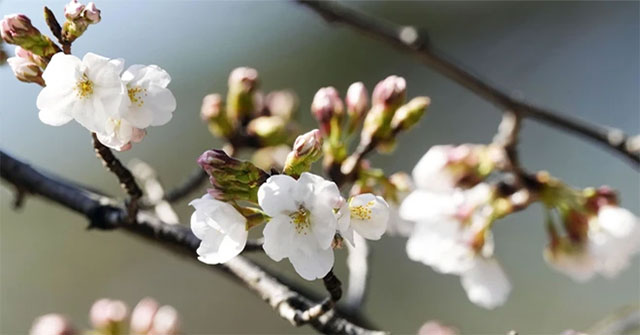
Surely someone has asked the question whether the attractive cherries we eat come from the cherry trees blooming beautifully on the streets of many countries around the…

Half a year after being cut down, only the stump remained, a 300-year-old sycamore tree recognized by UNESCO as a heritage site has just been recognized by scientists.

This tree is grown as an ornamental plant in many parts of the world because of its striking copper-red bark, rare in woody plants.
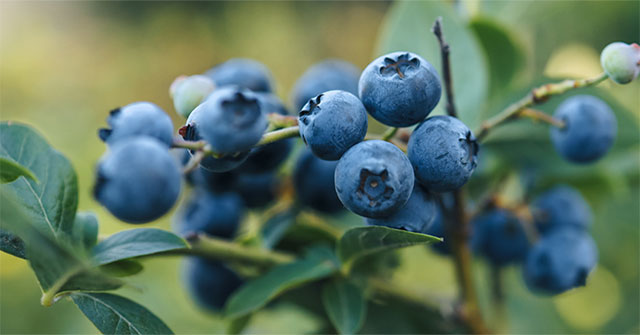
Blue is a rare color in nature and very few naturally occurring organic compounds impart this color to living organisms.
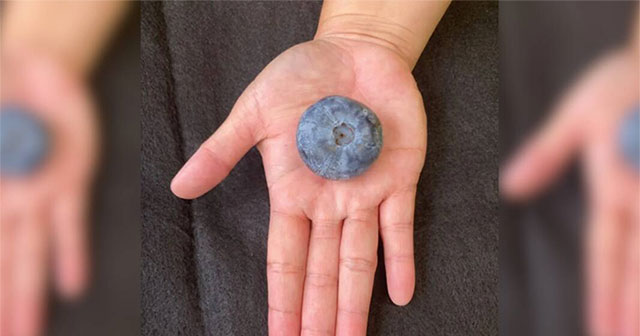
A giant blueberry weighing up to 20.4 grams grown in Australia was officially recorded in the Guinness Book of Records this week.
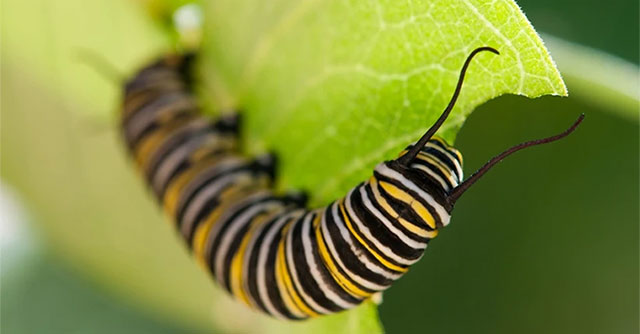
Scientists have discovered that when faced with danger such as pests, plants have the ability to spread a volatile compound around to warn healthy plants to activate def…
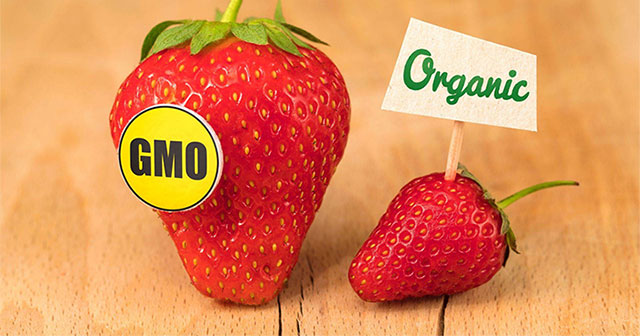
All over the world, people regularly produce genetically modified soybeans, corn, cotton, alfalfa, canola, apples, papayas, potatoes, summer squash, and sugar beets.
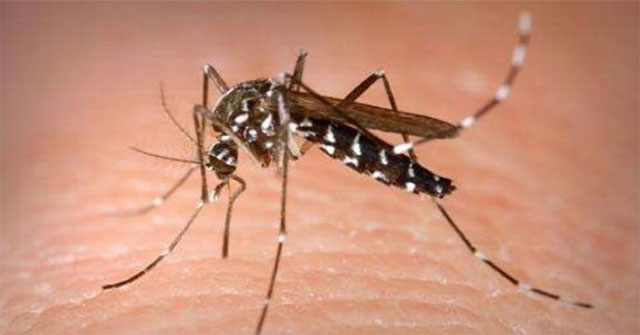
Paris authorities are taking many measures to treat and eradicate mosquitoes that spread infectious diseases before the Summer Olympics begin.
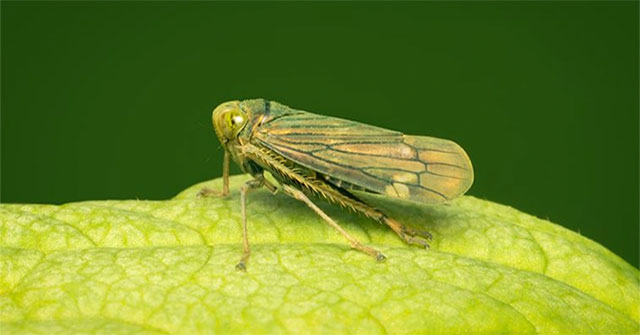
In science, even the smallest and seemingly insignificant creatures can create great technological innovations, like the hopper.