Biology
Detecting many common queens in a group
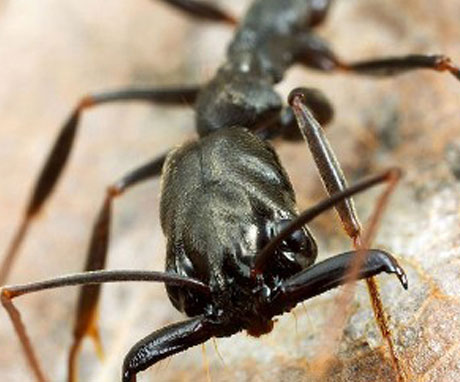
Recently, a BBC crew made a scene of two queens working together in a group. Usually, each ant nest only exists a single queen.
Explore biology, plants, fungi, insects and living systems through research, species profiles, natural adaptations and surprising life-science facts.
3,879 published items in this category and its subcategories.
Recently, a BBC crew made a scene of two queens working together in a group. Usually, each ant nest only exists a single queen.
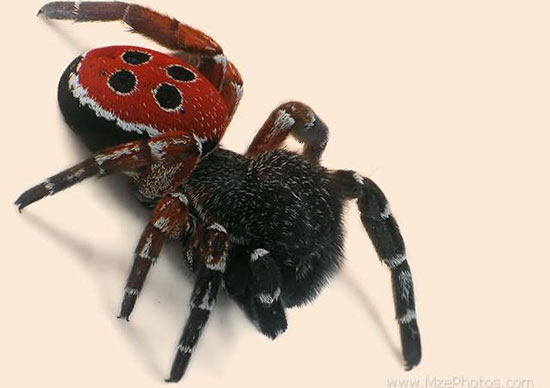
The RSPB Nature Reserve has just moved Britain's rarest spider species to a new place in a plastic bottle.
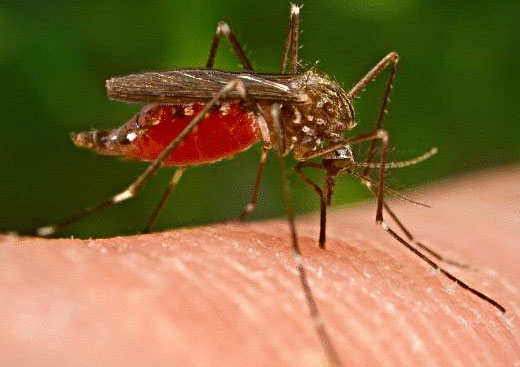
Sperm male mosquitoes can be the answer to the problem of preventing the spread of malaria, one of the most deadly diseases in the world.
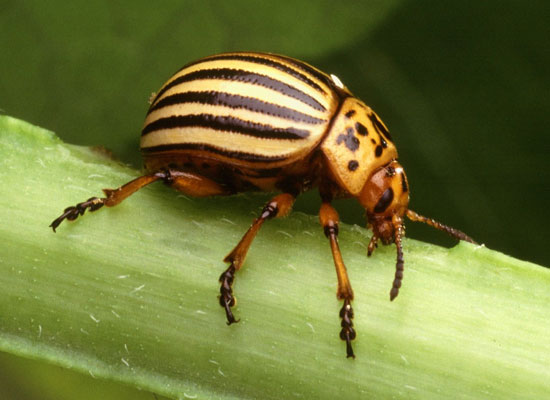
Under the auspices of the British Biotechnology and Research Council (BBSRC) in collaboration with the French National Institute of Agricultural Research (INRA), scienti…
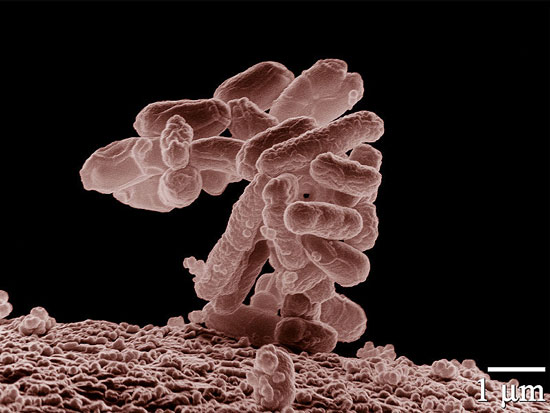
Singapore scientists have redesigned E.coli bacteria to fight P.aeruginosa (also called green pus bacillus).
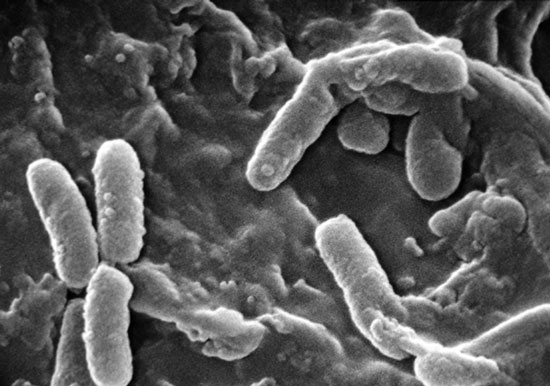
Singapore's Nanyang Technological University has found a way to kill drug-resistant bacteria.
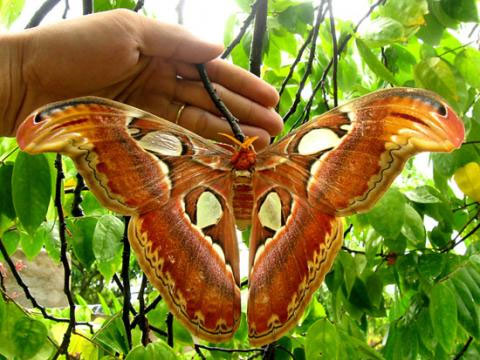
According to 'Vietnam Red Book', butterflies have the scientific name Attacus atlas, the level of threat is classified as R (Rare: Rare, possibly endangered). This butte…
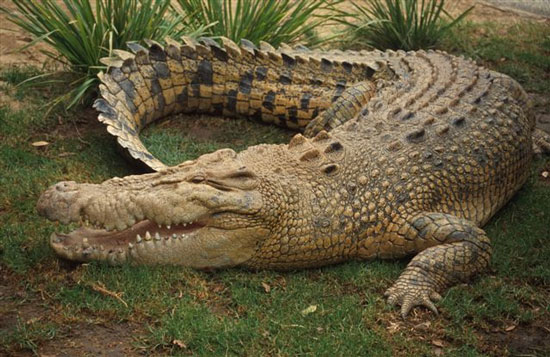
Recently American scientists at Louisiana University have succeeded in extracting biofuel from crocodile fat.
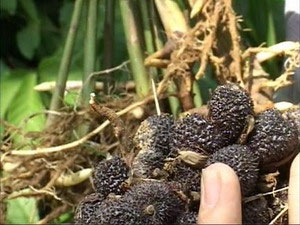
After 36 months of experimental planting under 4-year-old oval forest canopy in Son Lang commune, Kbang district (Gia Lai), the purple marijuana variety has produced ver…
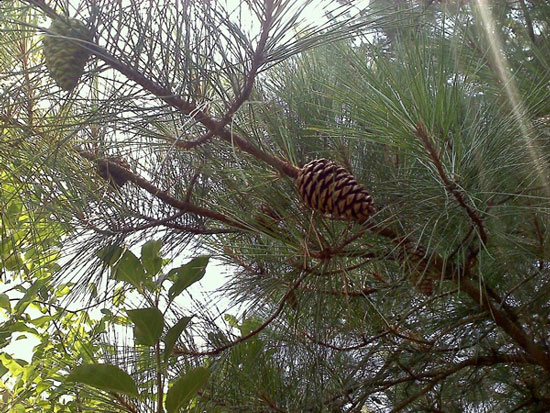
According to the most reliable report on the status of plants with leaves on Earth, 1 in 5 plants are in danger of extinction.
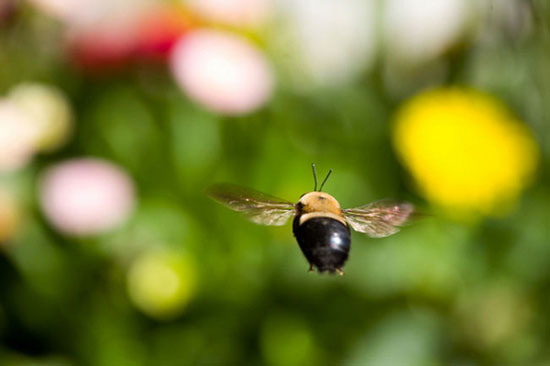
Biologists from the Queen Mary School of Chemical and Biological Sciences at the University of London found that bees can calculate the best route between flowers.
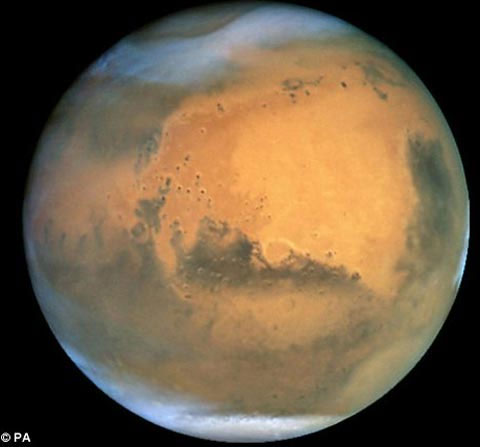
A famous American scientist said that artificial gene technology could bring a breakthrough, helping people to settle on Mars.

US scientists are still wrestling with the identification of 40% of deaths in the September 11, 2001 terrorist attacks.
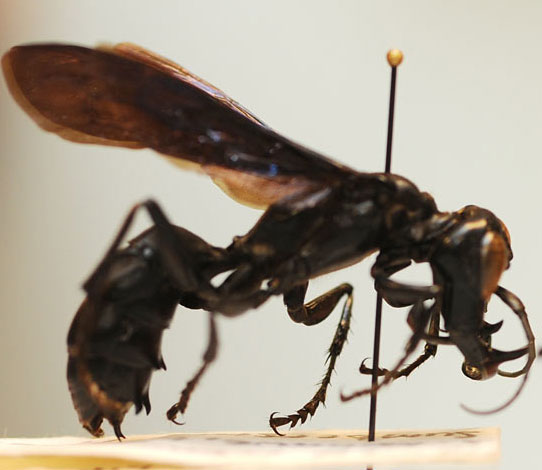
A bumblebee was a male with huge teeth that, when opened, were even longer than its front legs, newly discovered on Sulawesi Island (Indonesia).