Biology
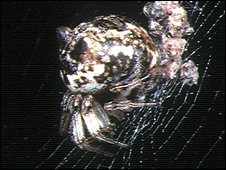
Spiders create effigies to trick enemies
The two scientists discovered that a spider species has the ability to create decorative objects with the same shape and color as their bodies, in order to distract the…
Explore biology, plants, fungi, insects and living systems through research, species profiles, natural adaptations and surprising life-science facts.
3,879 published items in this category and its subcategories.
The two scientists discovered that a spider species has the ability to create decorative objects with the same shape and color as their bodies, in order to distract the…
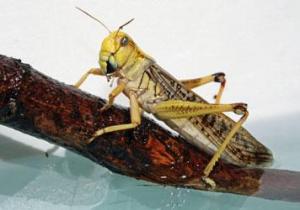
There are similarities in brain disorders in insects and people with migraines, strokes and seizures. This opens up new directions for treating pharmaceuticals for these…
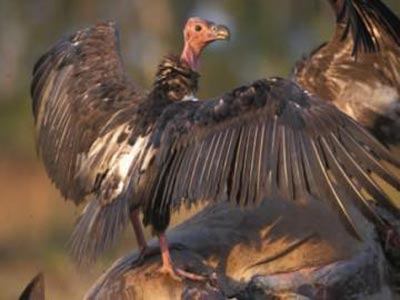
A leading US biologist claims that two-thirds of the world's animals and plants are facing extinction in this century ...
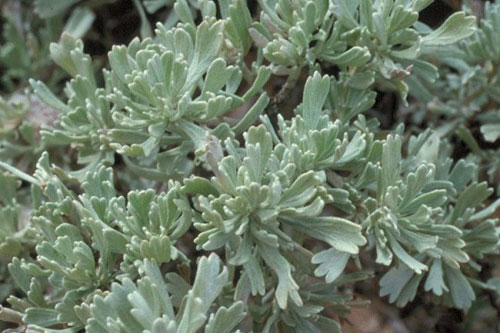
A US study shows that white wormwood can communicate with plants of the same species in the surrounding environment.
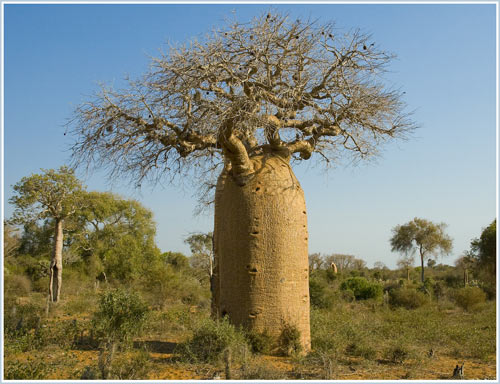
Each synthetic tree can remove carbon emissions and other harmful gases by thousands of times the natural tree.
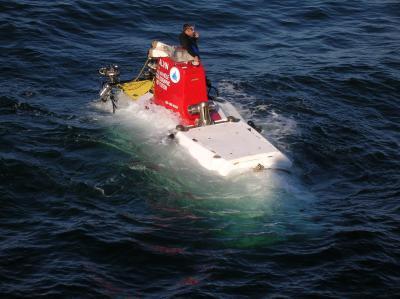
In addition to sulfate, iron and manganese compounds can play an important role in converting methane to carbon dioxide and ultimately carbonate in Earth's oceans, accor…
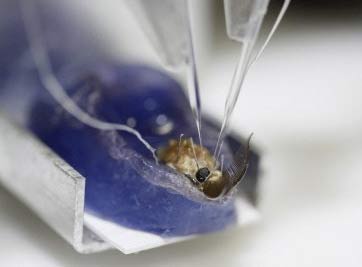
The police released a pack of butterflies to search for drugs in the boxes, the bees swarmed through the gap in the rubble to search for earthquake victims ...
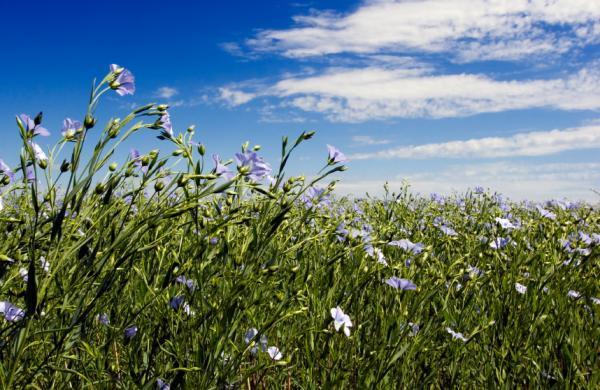
The emergence of many angiosperms (also known as flowering plants) on Earth, especially their rapid spread in the Cretaceous (approximately 100 million years ago) is tho…
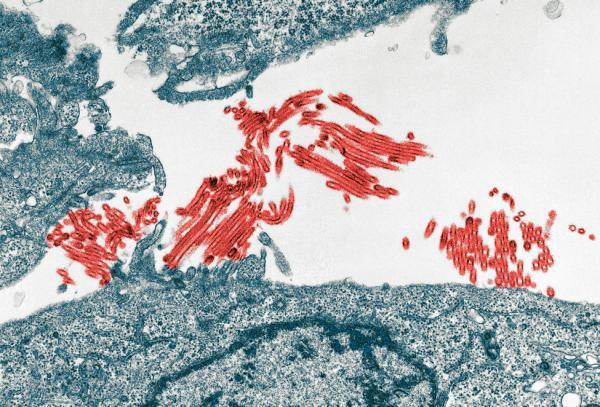
A recent detailed study of the H1N1 flu virus shows that this is a more dangerous disease than people think.
Each bacterium knows itself so small that it is impossible to act on its own. So bacteria often wait, divide, and then engage in activities that require collective assoc…
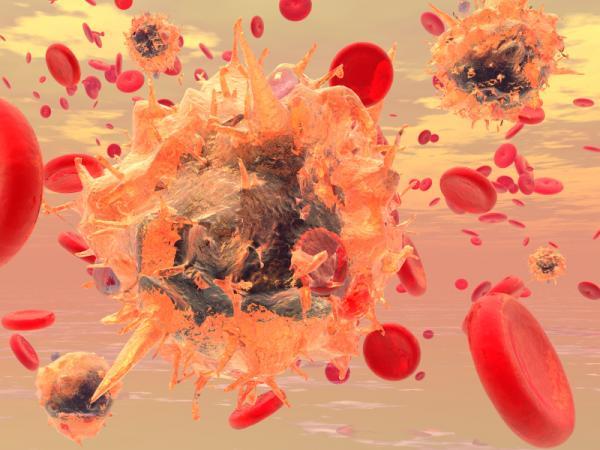
How do white blood cells - 'warrior' of the immune system - reach the site of infection or injury?
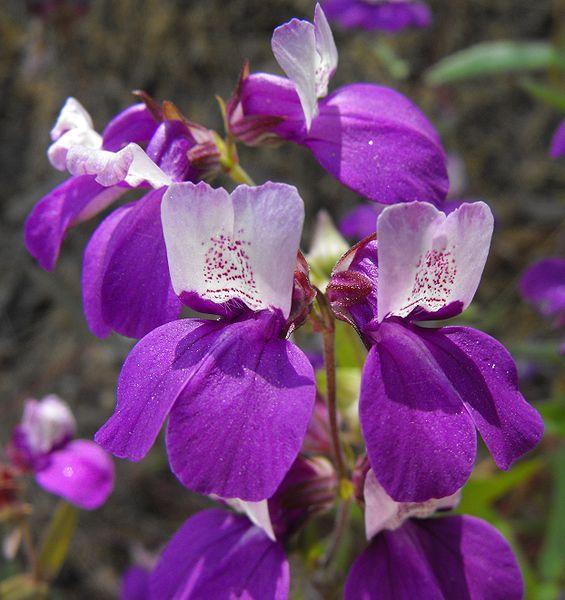
The pollen grains of male plants must live in stiff competition.

A new bacterium, Pyrococcus CH1, can live in environments with temperatures between 80 and 105 degrees Celsius, and is capable of self-dividing under a hydrostatic press…
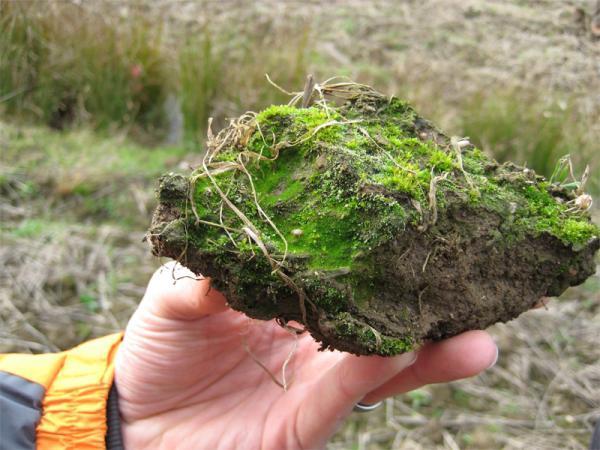
ETH Zurich researchers show that mosses and humans have unexpected general characteristics. These evolutionary relics can be useful in making therapeutic proteins.

The changes of the ATR gene in tumors have increased the risk of recurrence and the death rate of women with cancer of the uterus.