Biology
Insects 'cooperate' with viruses to expand the world
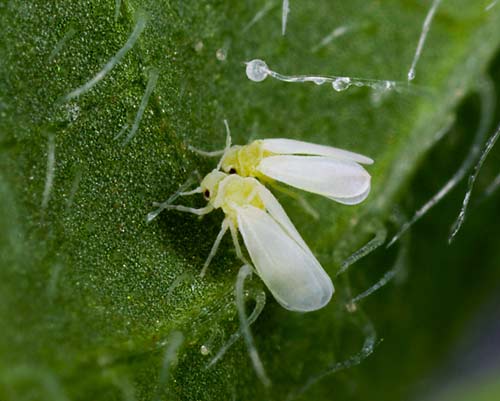
A bug that is harmful to crops is combining with viruses to accelerate their spread across the globe, Chinese scientists report. A variation of white butterflies Bemisia…
Explore biology, plants, fungi, insects and living systems through research, species profiles, natural adaptations and surprising life-science facts.
3,879 published items in this category and its subcategories.
A bug that is harmful to crops is combining with viruses to accelerate their spread across the globe, Chinese scientists report. A variation of white butterflies Bemisia…

Hearing interesting information about flowers blooming in closed containers, we went to the biotechnology laboratory of Ho Chi Minh City University of Natural Sciences i…
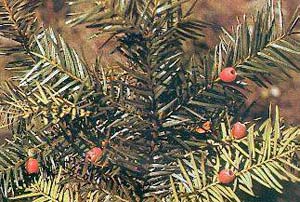
The Department of Biotechnology at Yersin Private University in Da Lat City (Lam Dong) has just succeeded in breeding more than 2,000 red pine trees (scientific name Tax…
A narrow space does not seem to be an ideal environment for growth, but there are two types of bacteria in the soil that can do this.
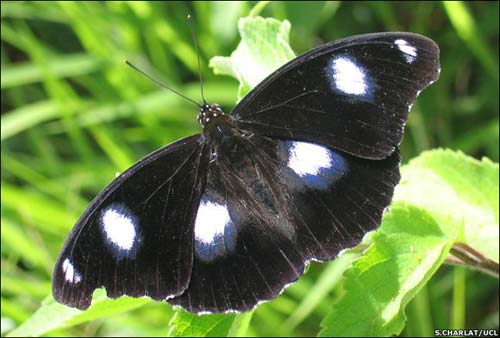
The bacteria that kill male butterflies actually increase the flowering of female butterflies. That is the result of the study of butterfly species Hypolimnas bolina tha…
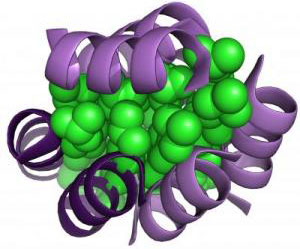
Yale University chemists did what nature chose not to do - to create protein-like molecules from unnatural blocks, according to an article published online recently in A…
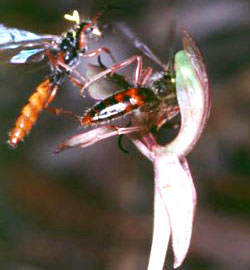
Everyone knows the orchid structure has a special feature, which is the petal below that turns into a lip, like a landing area for pollinators (pollinator). Lip wings tr…
Two types of genes that have just been discovered from a wheat variant have provided an important step forward in breeding salt-tolerant wheat varieties.
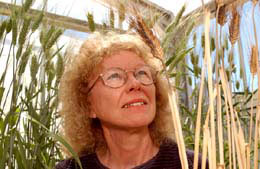
University of Colorado Professor Elizabeth Pilon-Smits and colleagues at the University of California, Berkely reported on the ability of some plants to defend themselve…

On December 17, Korean scientists at Seoul National University (SNU) announced that they had successfully cloned three more dogs.
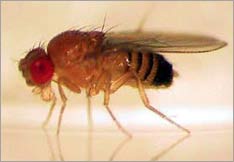
Carbone dioxide (CO2) emitted by plants or humans helps insects determine their location and locate food sources. So the CO2 that we release when breathing allows mosqui…
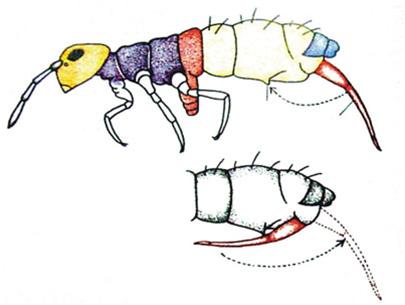
In the colorful world of existing insects on our planet, little is known about a very small group of insects that live in the soil. It is the jumping beetle group, the s…
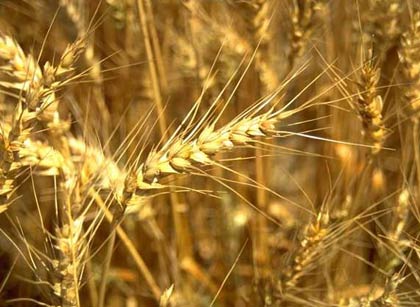
Japan's National Agricultural Food Research Organization (NARO) on Dec. 12 announced it has produced sweet wheat plants, which have twice the sugar content of regular wh…
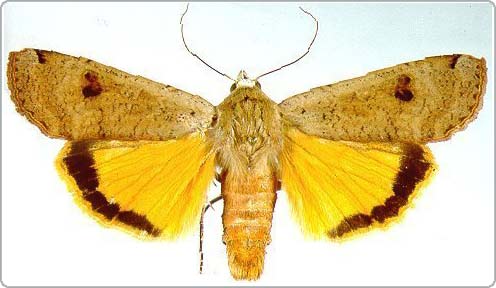
According to British researchers, moths have the ability to regulate hearing to escape bats. Bats emit ultrasonic frequencies to detect prey at night.
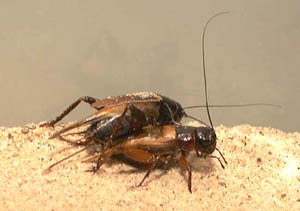
Calling or not calling, it's always a difficult question for male crickets. Because the cry can bring them love, but it can also be death.