Biology
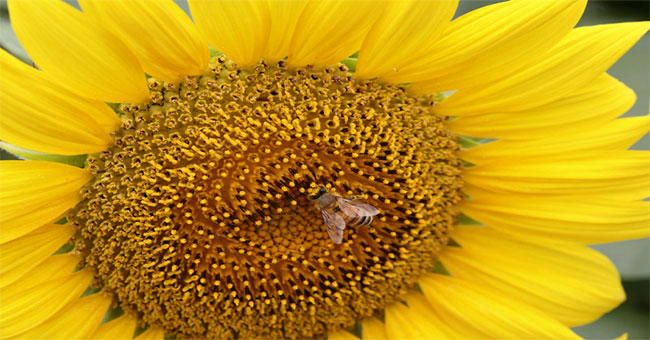
Sunflower pollen protects bees
Good accessibility to flowers and sunflower pollen can help vulnerable bees avoid pathogens.
Explore biology, plants, fungi, insects and living systems through research, species profiles, natural adaptations and surprising life-science facts.
3,879 published items in this category and its subcategories.
Good accessibility to flowers and sunflower pollen can help vulnerable bees avoid pathogens.
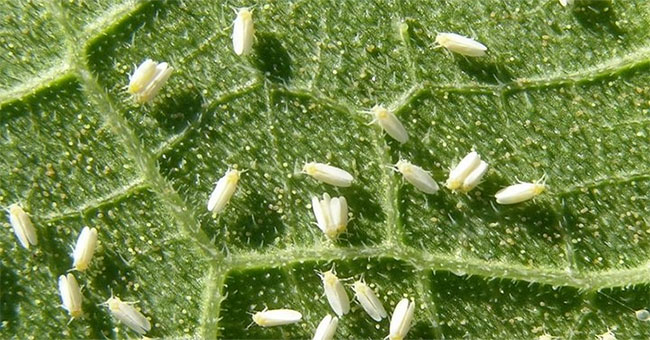
The Pentagon is planning to build an army of insects to protect crops but from the perspective of scientists, this could be a complete conspiracy to develop biological w…

The next grass is mixed in 1.6 million tons of wheat, if it spreads to the field, it can eat out the nutrition, reducing the yield of 25-75% of the crop.
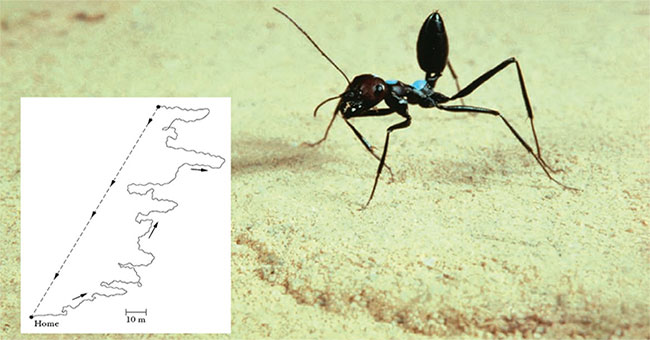
Most animals remember the smell of its nest to not
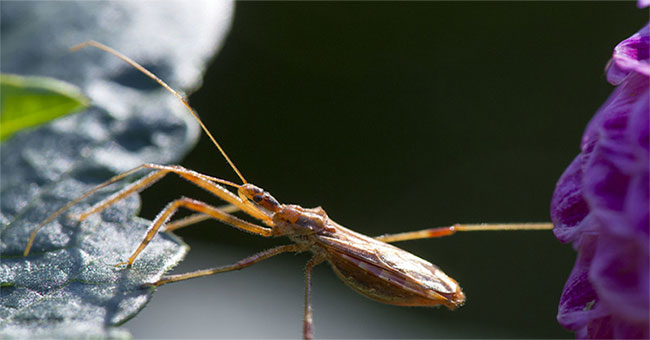
'If left untreated, the disease will last long and can be dangerous to the patient's life', the US Centers for Disease Control and Prevention warns.
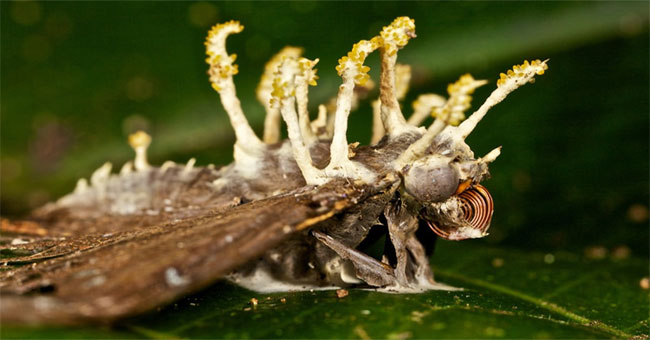
It is said that artificial pesticides are like an unwilling human friend. Although we know how scary the dangers are, we still have to use them.
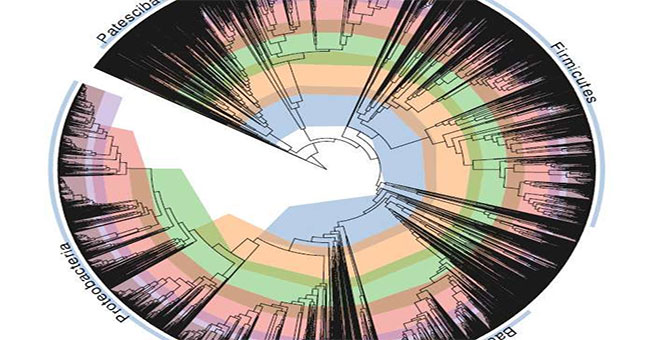
Scientists have brought a new look to the method of classifying bacteria by using evolutionary plants based on genome sequences.

A Russian city is being invaded by a flying insect that makes it look like the end of the world.
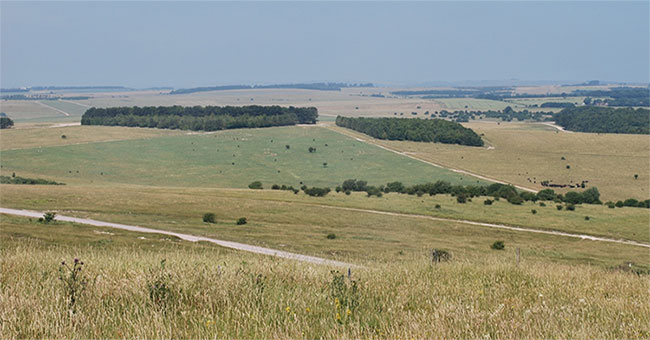
The study, published in the latest issue of Digital Ecology, found that the characteristics or characteristics of plants play an important role in regenerating soil fert…
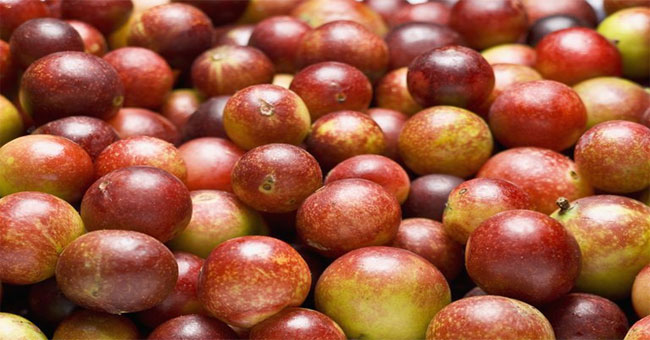
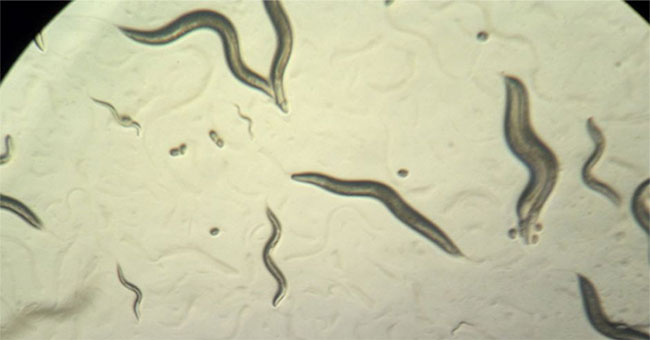
Salmonella, tuberculosis and gonorrhea disable normal antibiotics, causing nearly one million deaths each year.
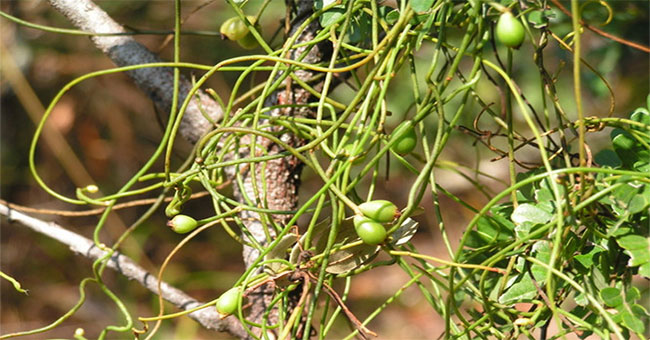
Green silk is a parasitic plant, whose scientific name is Cassytha filiformis. This terrifying plant specializes in sucking up nutrients in the wasps and turning bees in…
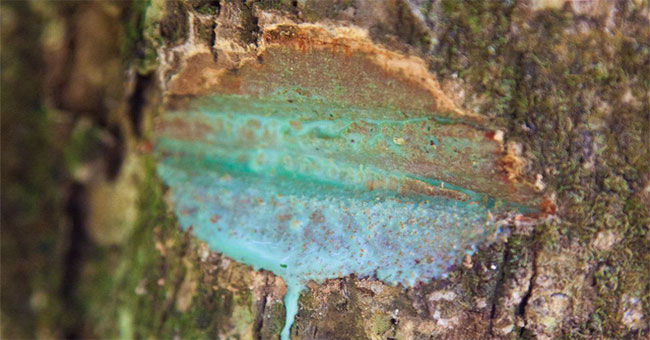
Heavy metals like nickel and zinc are not what plants want to grow next to in high concentrations.
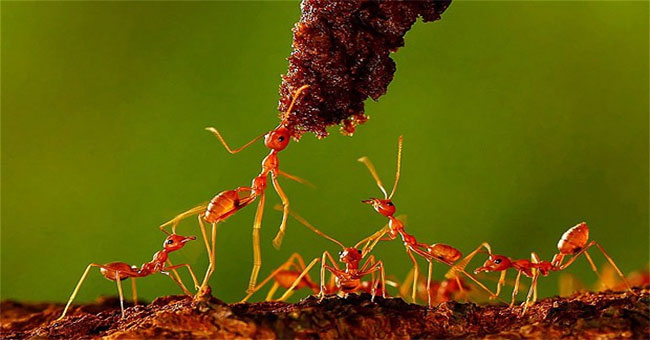
Despite their small size, ants possess great social connections, especially in the way they work in groups.

Flower content is probably one of the most special flowers in the world because it can change color from morning to afternoon.