Biology
Brain-Eating Amoeba: Causes, Symptoms, and Treatment
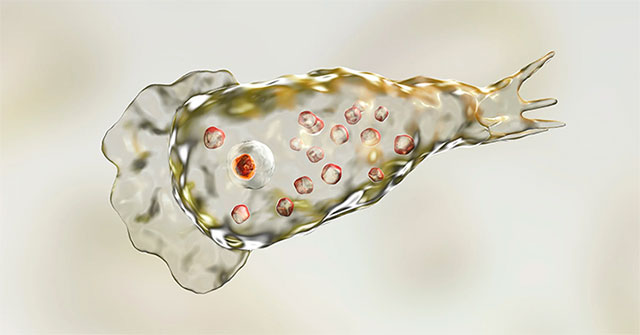
The brain-eating amoeba has the scientific name Naegleria fowleri - a type of parasite.
Explore biology, plants, fungi, insects and living systems through research, species profiles, natural adaptations and surprising life-science facts.
3,879 published items in this category and its subcategories.
The brain-eating amoeba has the scientific name Naegleria fowleri - a type of parasite.
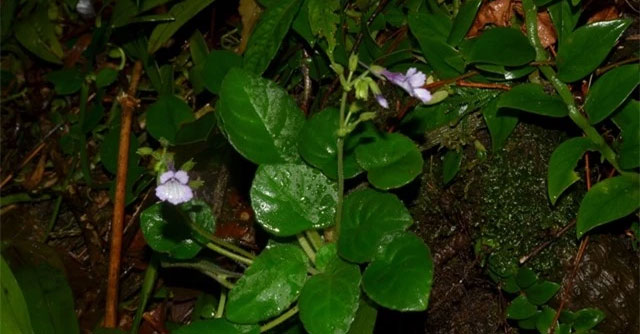
Up to now, Vietnam is the only place that has this special flower. It not only has an eye-catching appearance, but is also extremely rare.
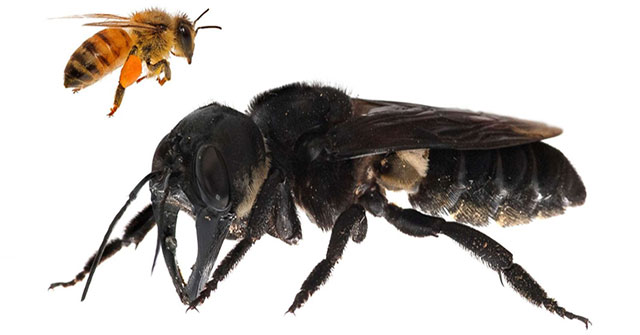
A Wallace bee as big as an adult's thumb has just appeared in Indonesia after nearly 40 years.

Chionanthus retusus, scientifically known as Chionanthus retusus, is a genus of plants belonging to the olive family (Oleaceae), genus Chionanthus (
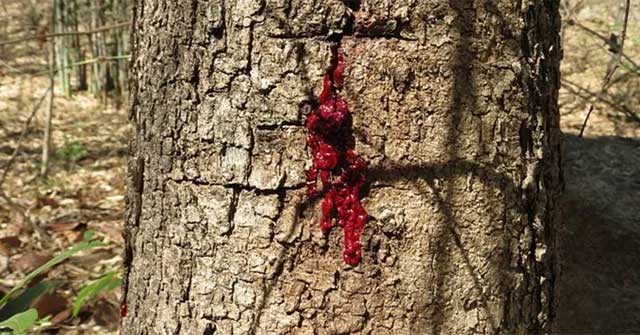
Mother Nature gives people many wonderful things and also strange things.

The community of bacteria and viruses on toothbrushes even shows outstanding diversity compared to other bathroom tools such as shower heads, door handles, sprayers, toi…
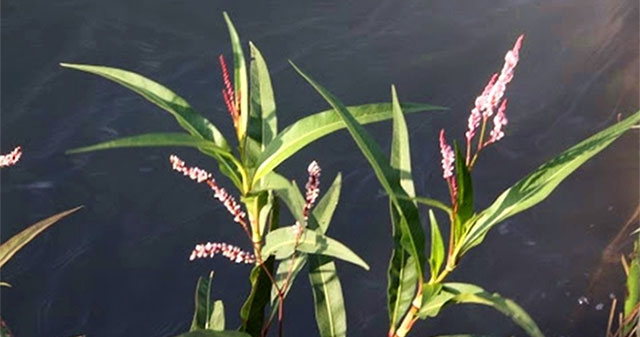
Water chili grass is often considered a weed, seemingly worthless but in fact brings many benefits and has very diverse applications.
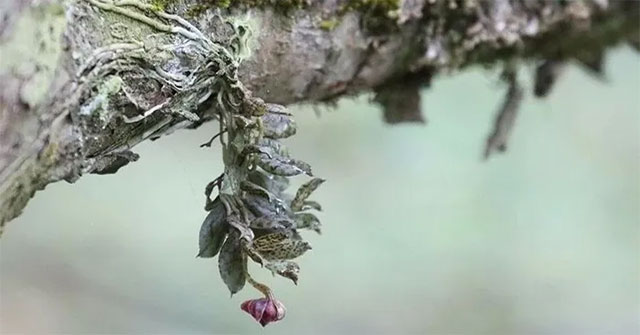
Recently, Chinese researchers discovered a new species of orchid growing in the habitat of giant pandas in Sichuan province, southwest of the country.
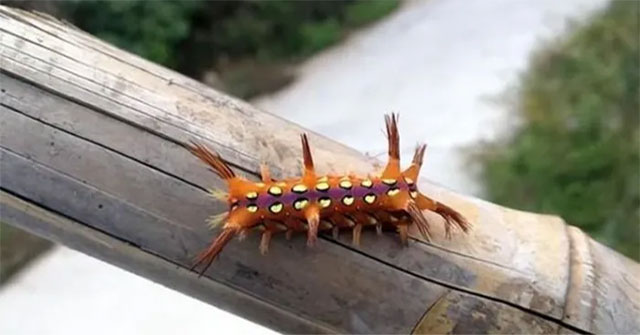
This species is often harmful to some crops and is an enemy hated by many Vietnamese farmers.
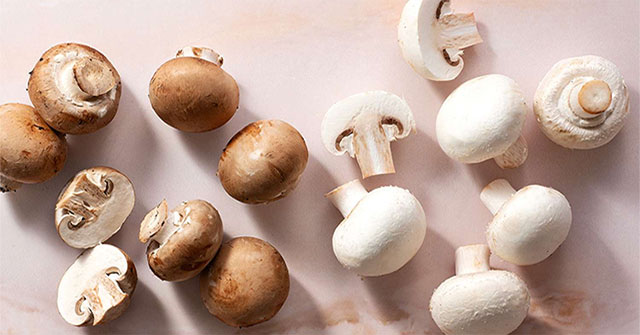
Just take a walk through a forest in America and you will easily come across mushrooms of all shapes, sizes and strange colors.

Researchers found that trees are struggling to absorb CO2, leading to soaring emissions.
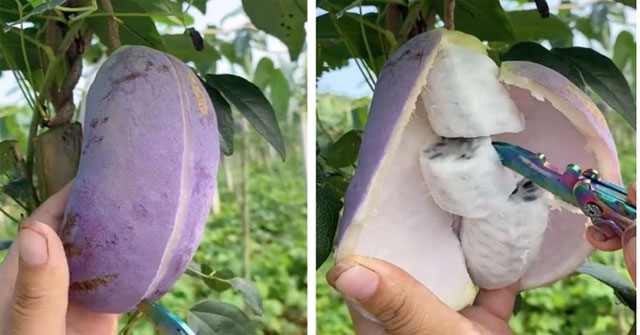
In the shared image, it can be seen that when it was still hanging on the tree, this fruit looked like a mango, but had a purple skin. When cut open with a knife, the in…

A new study has overturned the traditional notion that only female mosquitoes suck blood and transmit diseases.
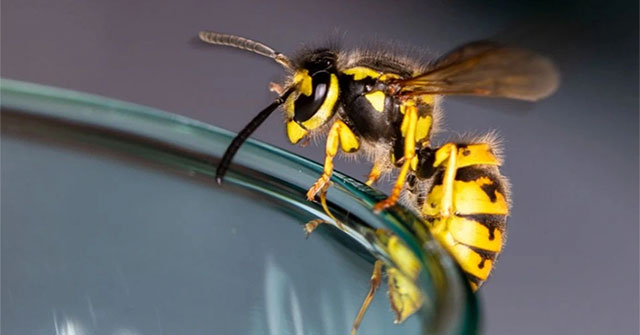
New research shows that oriental hornets have a tolerance for very high concentrations of alcohol, even greater than any other animal.

This porcupine grasshopper species living in the Amazon rainforest makes us feel surprised when we encounter it because of its very special appearance.