Cancer
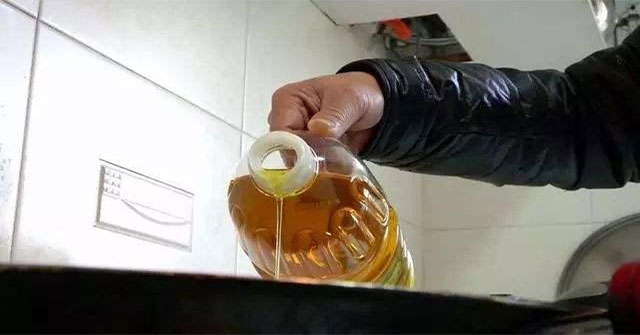
The habit of using oil wrongly can easily lead to liver cancer
If you also have the habit of using cooking oil like this woman, start fixing it now to prevent extremely harmful health risks.
Explore cancer research, warning signs, risk factors, prevention, diagnosis and treatment developments across major types of cancer.
910 published items in this category and its subcategories.
If you also have the habit of using cooking oil like this woman, start fixing it now to prevent extremely harmful health risks.
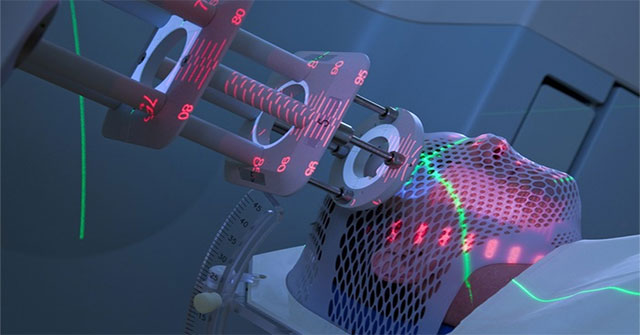
Radiotherapy for the first time deployed at Ho Chi Minh City Oncology Hospital helps head and neck cancer patients reduce 24 times.

A new study again confirms the benefits of an omega-3-rich diet with breast cancer, which not only helps reduce tumor growth but also limits metastasis to other organs.
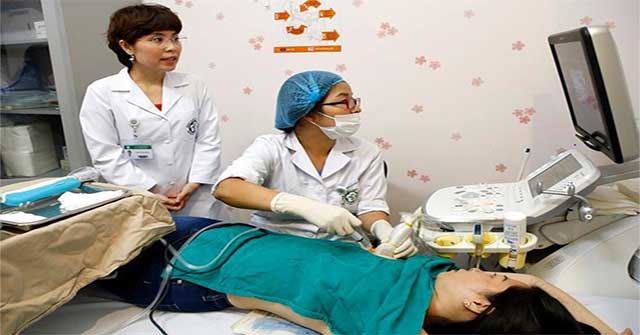
Due to the fast execution time, patients can leave the hospital and live normally after a day, only local anesthesia, virtually no scarring.

To prevent stomach cancer, experts recommend that everyone should start from their daily routine.
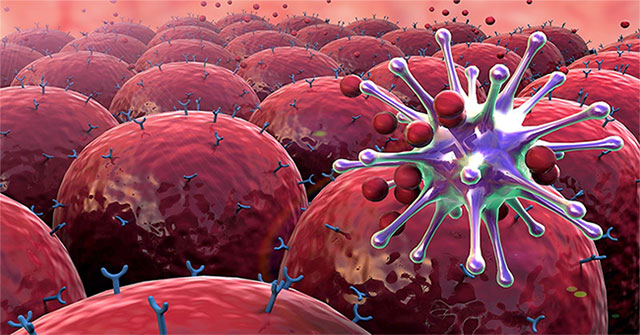
NK cells support cancer treatment by reducing tumors without harming the surrounding organs.
New vaccines invented by Weill Cornell Medicine College (USA) may help reverse bowel cancer, including colon cancer and rectal cancer.
That's the finding of a study presented March 31 at the American Association for Cancer Research (AACR) annual conference.
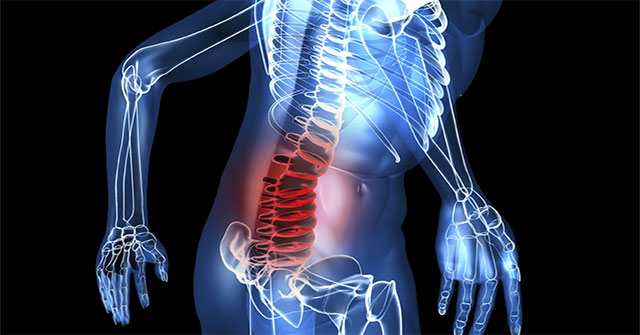
Active monitoring is an accepted and widely adopted option in the medical community over the past 10 years as a way to reduce unnecessary treatment of prostate cancer.
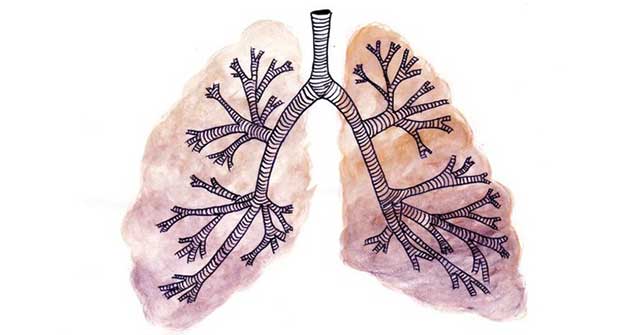
One of the super phenomena of cancer was discovered in 2018, when scientists observed the stomach, duodenal and small intestine cells inside the lung tumor.
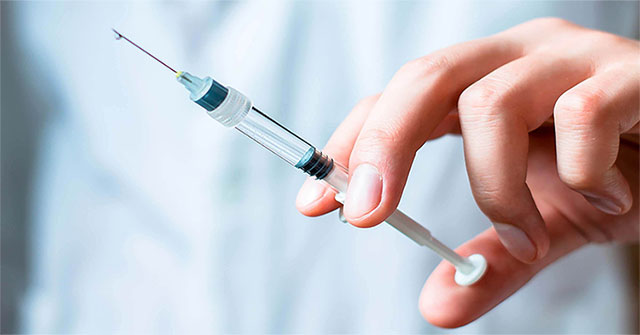
US scientists have figured out how to turn the tumor into a cancer vaccine factory and take advantage of it to destroy the tumor in the body.

To reduce fatigue, hair loss, nausea, diarrhea ... after radiotherapy, patients pay attention to nutrition, drink plenty of water, moderate exercise, positive psychology…
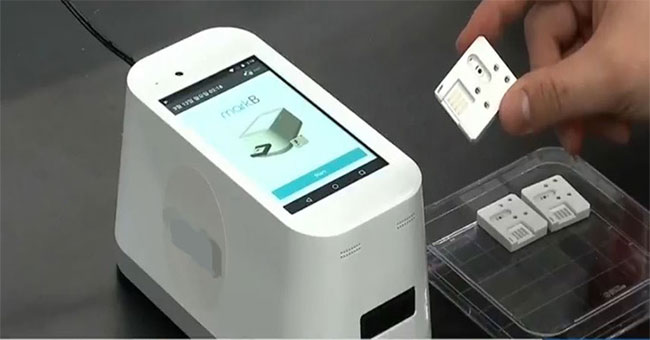
The machine can detect liver cancer, rectal, prostate, uterus, ovaries, digestive organs such as the pancreas and gallbladder.
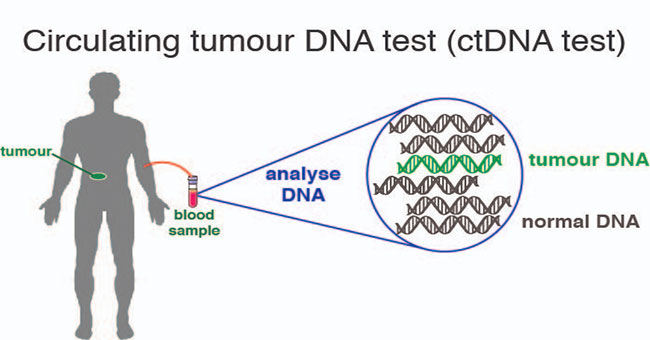
Scientists are testing a new blood test that helps surgical patients know whether cancer cells remain in their bodies after surgery.