Scientists have found a cluster of interconnected, shaped lakes, filled with carbon dioxide (CO2), in the mouth of Santorini volcano on the bottom of the Mediterranean Aegea Sea.
Lake five colors in the crater beneath the sea
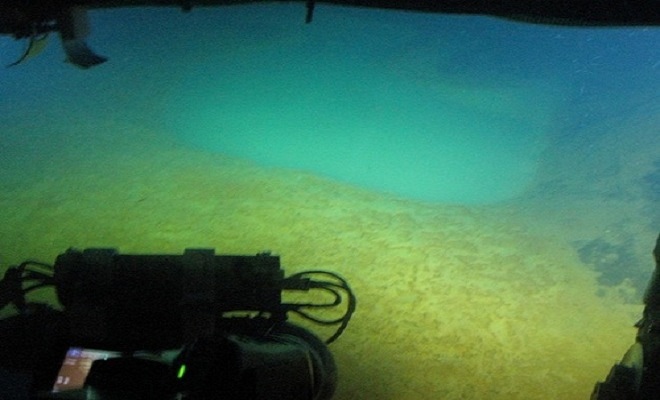
Using underwater facilities, the international science team discovered a cluster of lakes in Santorini crater , which erupted and engulfed the Minoan civilization at the bottom of the Aegean Sea in 1,600 BC. They have named the lake group Kallisti Limnes , which means 'the most beautiful lakes' in Greek.
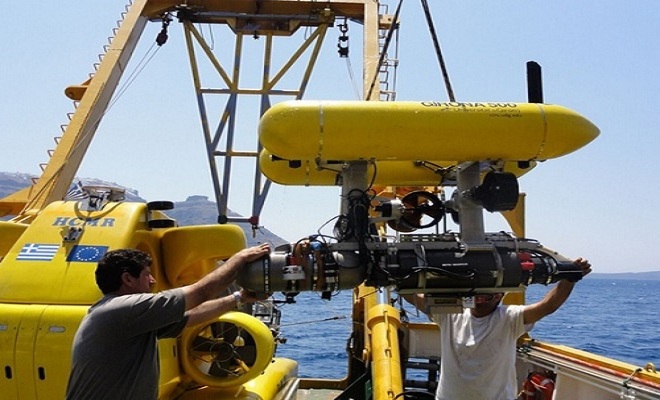
The diving team on the R / V ship Aegaeo has prepared an underwater automatic device called Girona 500. The team used Girona 500 along with a mass spectrometer to determine the layers of water containing unusual chemical properties in bedsore.
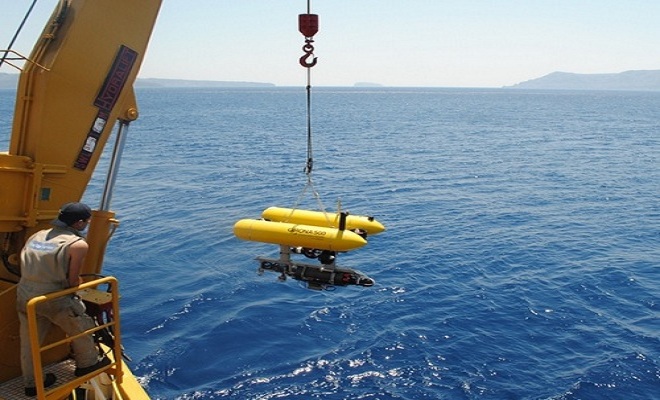
The diving team brought Girona 500 into the Aegean Sea.The data collected revealed the carbon pools at the bottom of the sea.
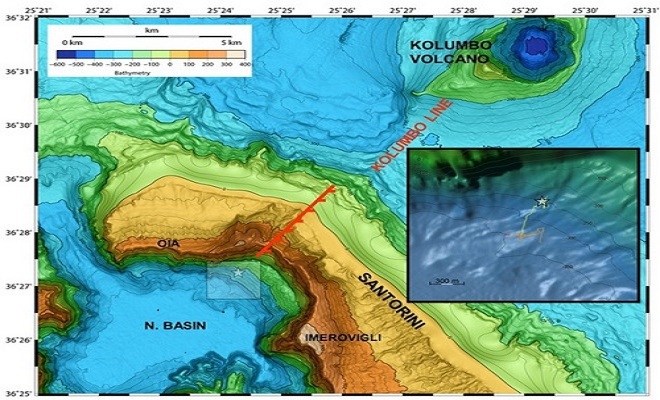
Aegean sea terrain with detailed views of the southwest of Santorini crater.
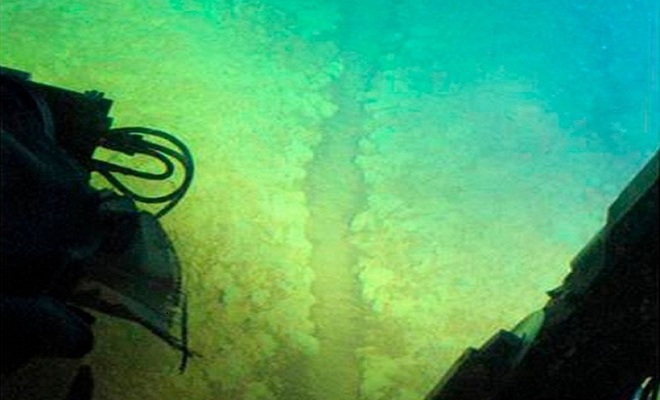
A gutter runs through the microbial carpet, extending from the carbon pool at a depth of 250 meters.
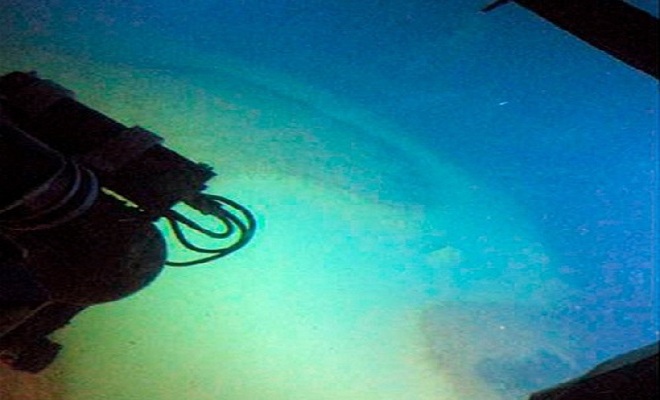
Located at a depth of 235 meters below the sea surface are warm lakes ranging from 1 to 2 meters wide.According to the researchers, the meandering shape of the lakes and ditches shows a slow and relatively stable flow of currents under the influence of gravity.
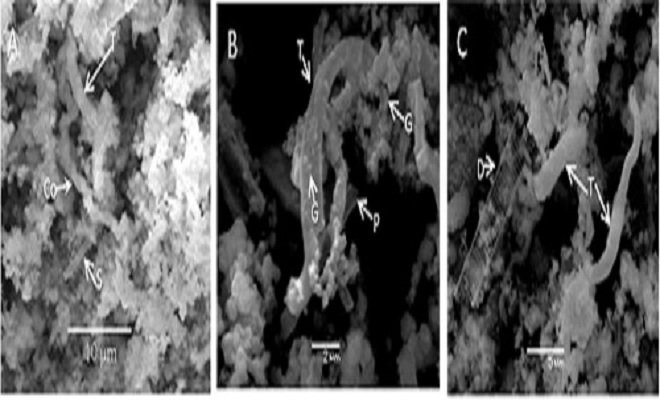
The lakes are iridescent in color due to the rich crystals of silicon and iron in the microbial carpet there.The crystal shape shows that they are produced by bacteria that use iron as an energy source.