Oceanography
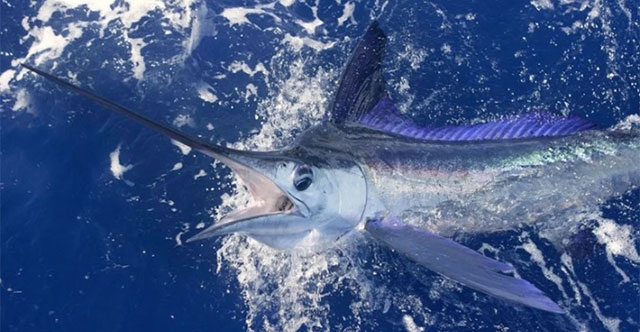
Shark survives swordfish stab wound to the head
Fishermen in Albania caught a blue shark with a 18cm long swordfish beak fragment in its skull, marking the first case of a shark surviving such an injury.
Discover surprising science, unexplained phenomena, materials, history, nature and fascinating facts that reveal how the world works.
40,619 published items in this category and its subcategories.
Fishermen in Albania caught a blue shark with a 18cm long swordfish beak fragment in its skull, marking the first case of a shark surviving such an injury.
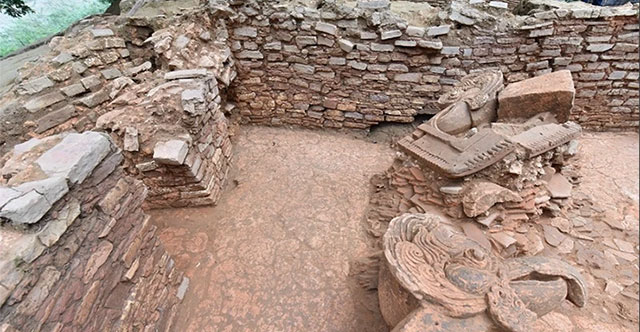
Archaeologists in Peru have discovered important evidence, believed to indicate female rule in the ancient Moche culture more than 1,300 years ago at the Panamarca site.
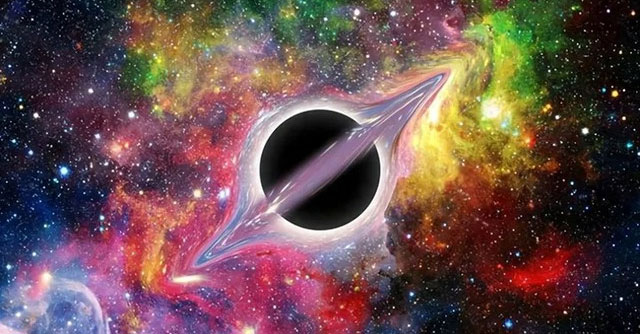
A black hole is an extremely dense celestial body whose gravitational pull is so great that even light cannot escape from it, hence the name.
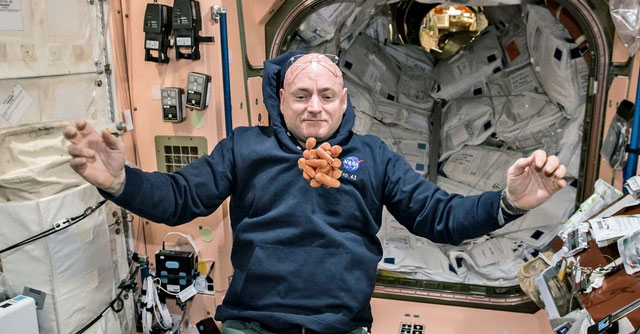
Prolonged space travel has been shown to cause serious damage to the human body.
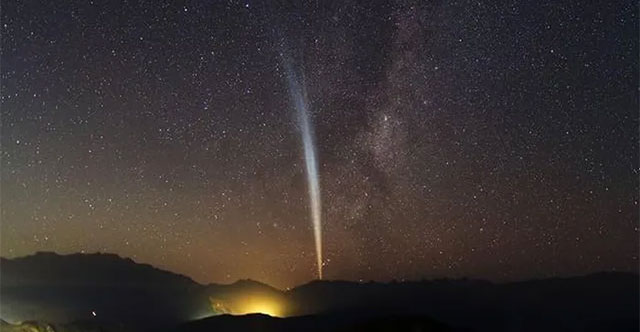
A new comet named A11bP71 was discovered on September 27 by the Asteroid Impact Last Alert System (ATLAS) and is so bright that it has surpassed Venus.
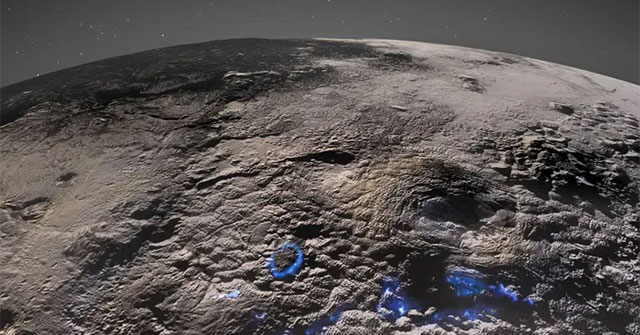
NASA's James Webb Space Telescope has discovered new clues about the surface of Charon - Pluto's largest moon.
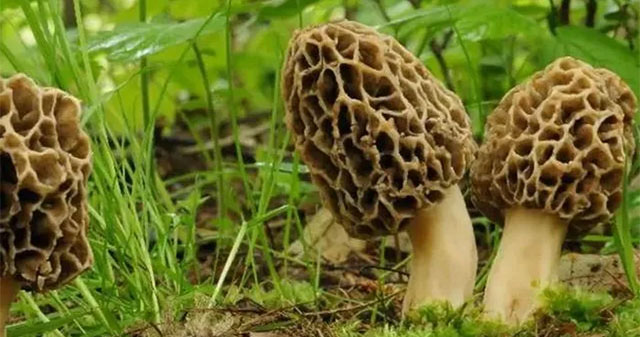
To find the mushroom
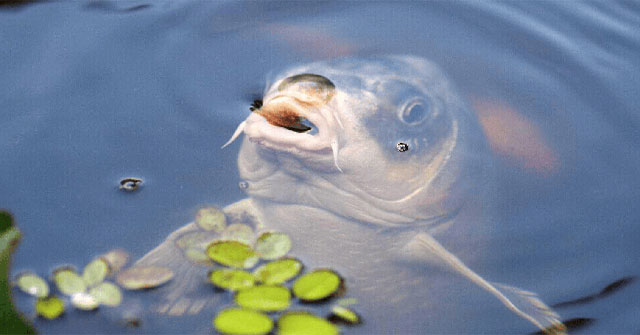
The strong survival ability of carp not only surprises us but also suggests many things about the relationship between organisms and their surrounding environment.
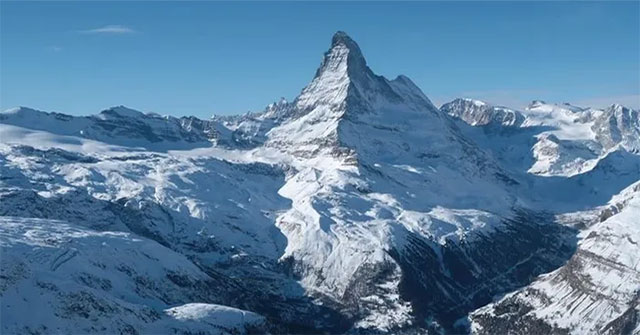
Part of the border between Italy and Switzerland is to be redrawn as the glaciers that mark the border between the two countries melt.

Shinkansen trains have not caused any fatalities or injuries since they began operating, and the average delay is less than 5 minutes.

The building named Regent International in Hangzhou (China) has left many people overwhelmed by its enormous capacity.
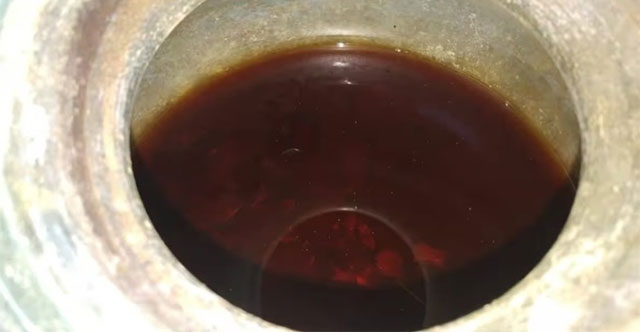
The world's oldest wine jar containing a man's ashes in a Roman tomb sheds light on 1st century burial practices.
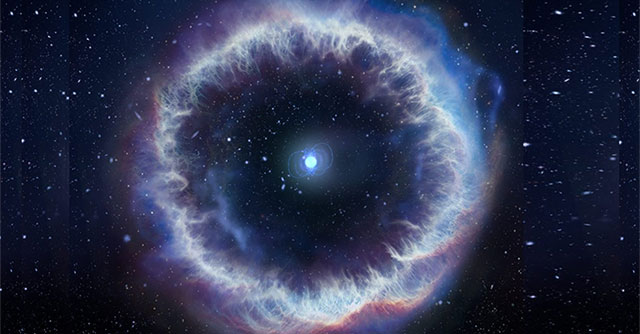
The faintest radio burst ever detected by humanity could help solve the long-standing mystery of this spooky cosmic signal.
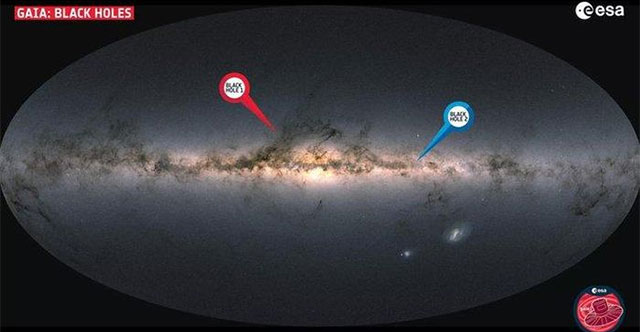
Two black holes lurking in Earth's backyard, just 1,560 and 3,800 light-years away, represent a type astronomers have never seen before.
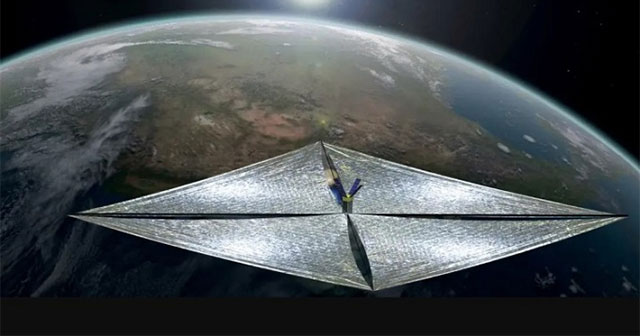
A team of scientists simulated a trip to Mars and interstellar space using a solar sail made from aerographite with impressive results.