Space science
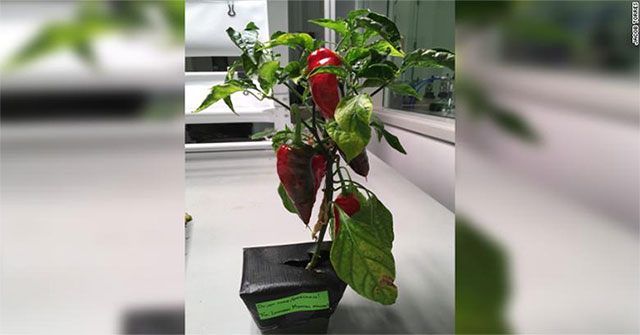
Espanõla will be the first fruit tree to be grown on ISS?
Espanõla peppers (Chile) will be the first fruit tree that NASA grows in space for vitamin supplements.
Discover surprising science, unexplained phenomena, materials, history, nature and fascinating facts that reveal how the world works.
40,619 published items in this category and its subcategories.
Espanõla peppers (Chile) will be the first fruit tree that NASA grows in space for vitamin supplements.
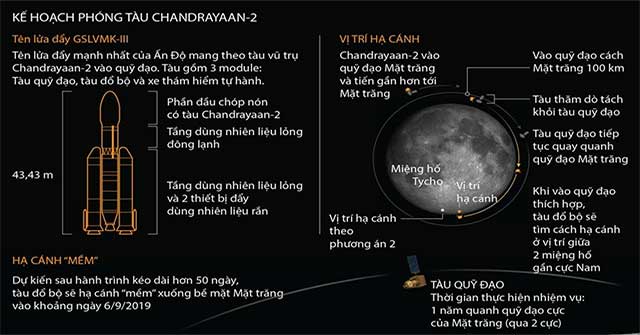
India's Moon mission had to be canceled in less than an hour before taking off the spacecraft to probe on July 15, following a technical incident.
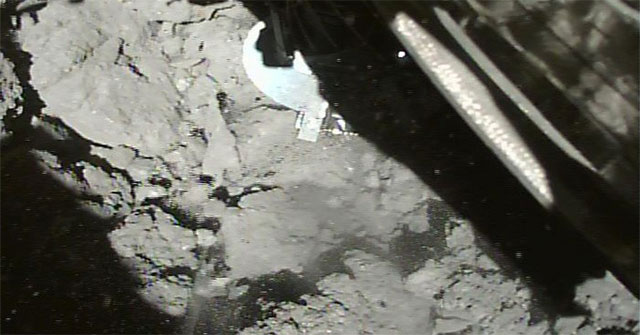
It also sends unique footage!
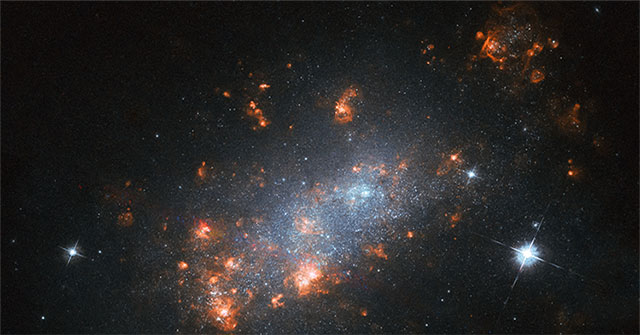
A series of glowing objects with cherry blossoms in full bloom in the galaxy NGC 1156 of the Aries constellation is a trace of nursery nurseries.

Hoi An first appeared on the Google Vietnam homepage, the reason
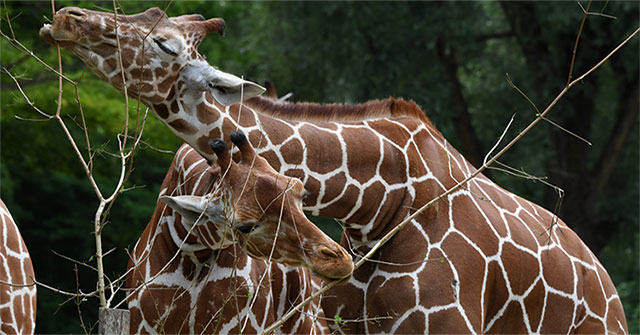
Not only penguins, giraffes, lions and many other animals can also be gay.
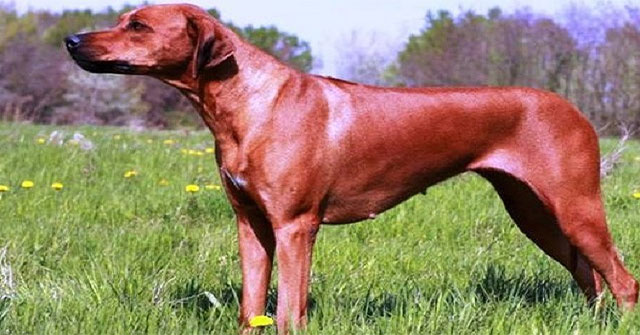
Dutch people living in South Africa in the 16th century once described this breed as ugly dogs.
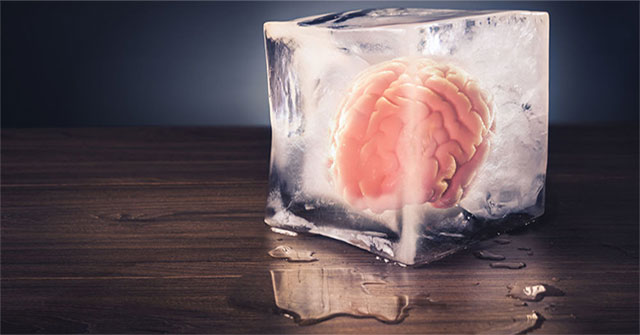
Scientists have conducted a new study and found a way to help our brain remember sugar. They found that playing a GPS navigational role is the Theta wave, a type of wave…
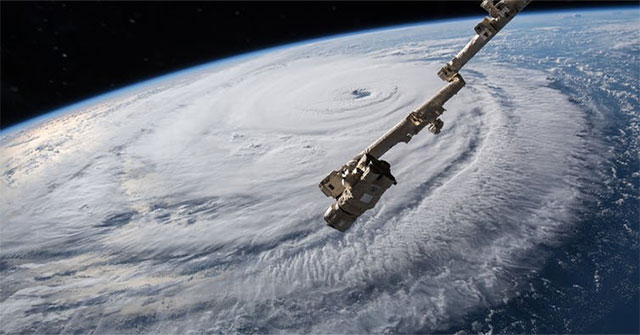
In the Australian region, the Meteorological Bureau is the name for tropical storms. You can write to the agency to propose a name for the storm, but it may take more th…
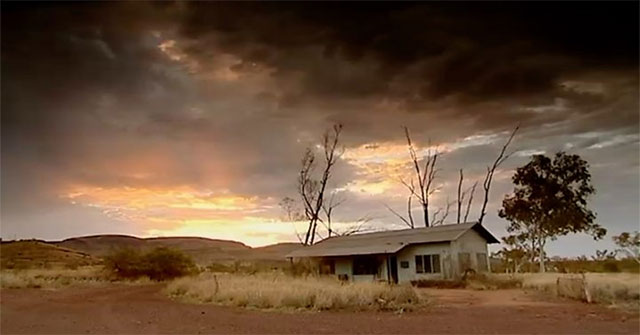
A town in Western Australia is so dangerous that local officials have to remove its name from the area map.
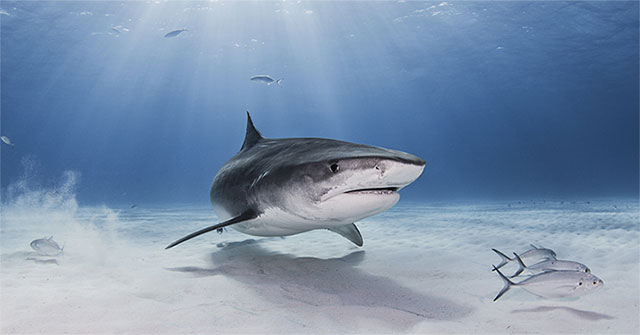
Thousands of tons of sharks are caught each year and the impact from plastic waste pollution puts the Mediterranean at risk of absence of sharks.
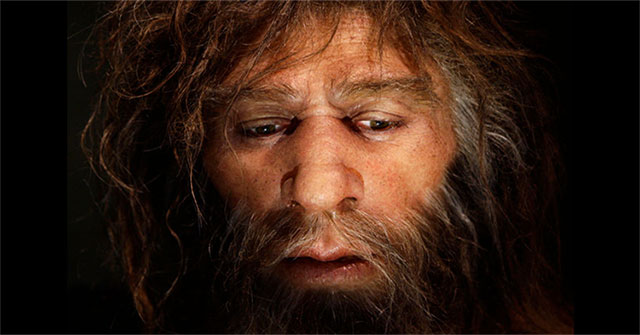
After the shocking discovery of the Neanderthals extinct marriage, scientists continued to find descendants of the Denisovians in Asia.
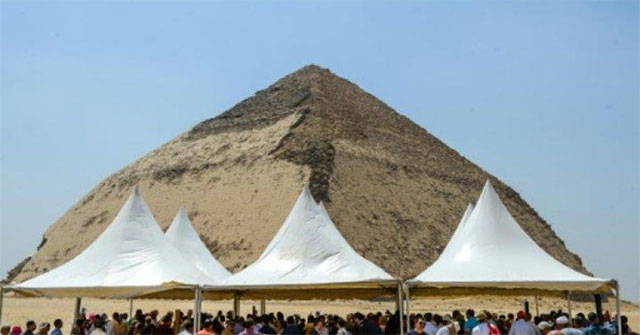
The Egyptian government on July 13 opened the two ancient pyramids in southern Cairo, announcing the discovery of many of the mausoleums with well-preserved mummies.
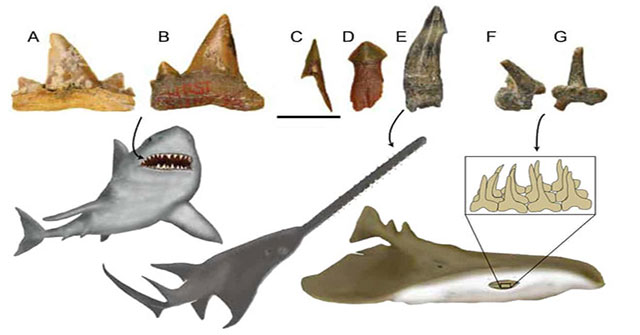
From fossils found in the Sahara desert, northern Mali, scientists recreate the image of extinct animals and discover many surprises.
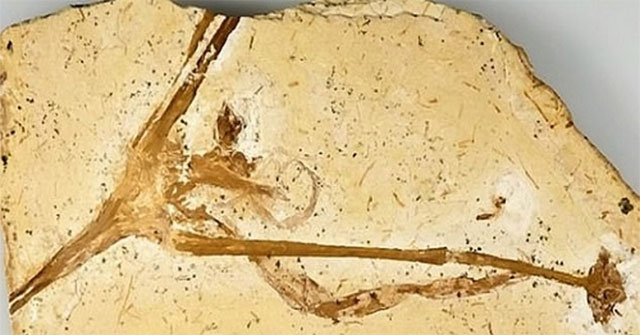
The researchers discovered intact fossils to every cell of the world's oldest lilies in Brazil.