Discover science
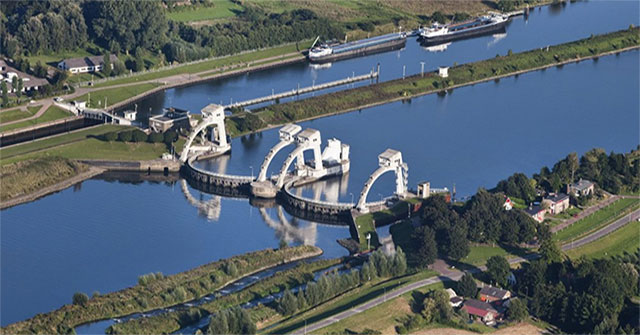
How do major cities in the world seize and reuse rainwater?
Depending on how we receive it, rainwater may be a gift or a burden.
Discover surprising science, unexplained phenomena, materials, history, nature and fascinating facts that reveal how the world works.
40,619 published items in this category and its subcategories.
Depending on how we receive it, rainwater may be a gift or a burden.
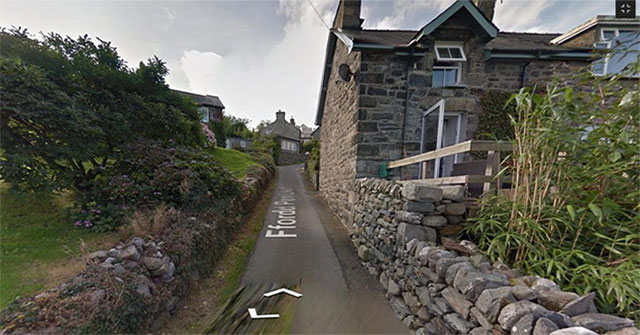
A new Wales path is recognized by the Guinness Book of World Records as the world's steepest, breaking the previous record set in New Zealand.
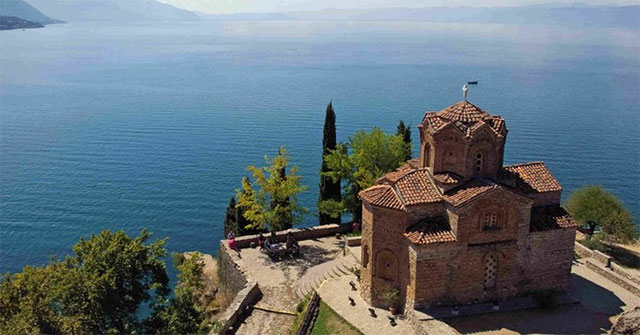
UNESCO has just recognized 4 more natural heritages, 2 cultural heritages and a mixed heritage.
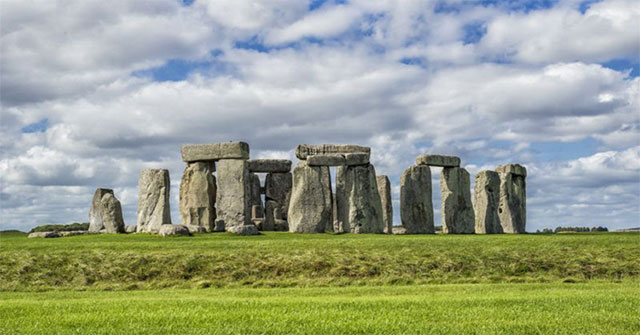
Ancient builders can take lard to lubricate wooden cars, then use this type of vehicle to put huge blocks of stone into place.
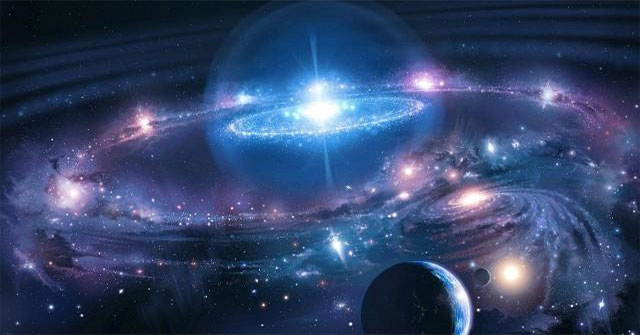
Super-large black holes can be formed from giant gas clouds bound by gravity without any explosions.
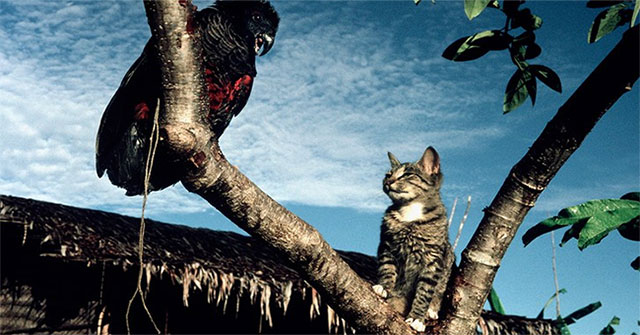
The number startled many people after giving a summary of hundreds of 'hung gods' studies that are thought to be quite gentle, close to people in Australia.
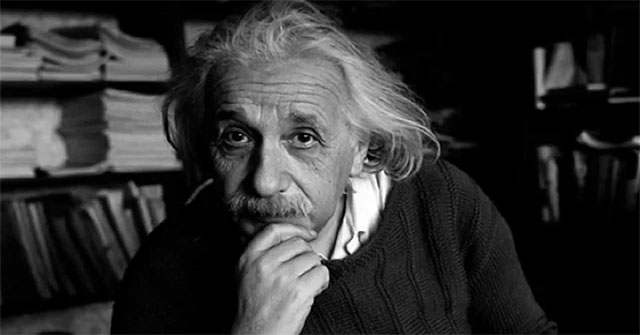
How did Einstein think of finding the special theory of relativity and the famous equation of energy of celestial bodies in space E = mc2?

Please see to be ready for the zombie pandemic (if any).
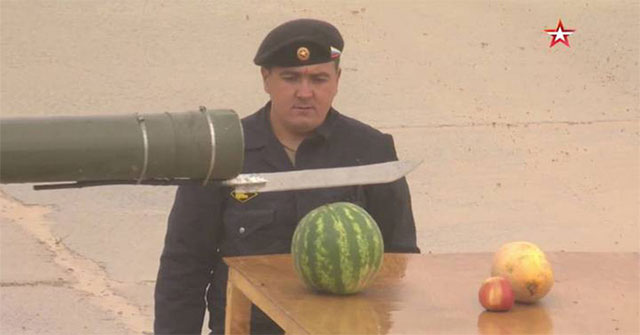
Not only did the watermelon cut off, the Russian T80U tank could also cut pears and apples of smaller sizes. This unique performance shows how the talent of handling tan…
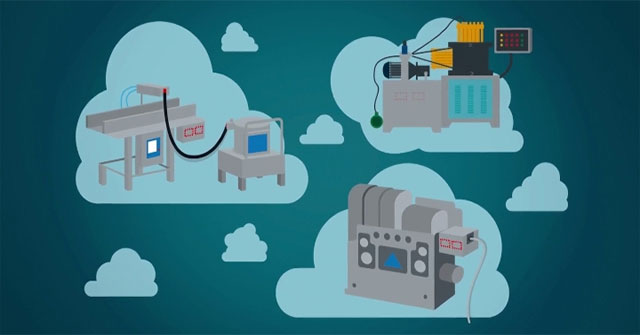
In the thinking of inventor Samuel Morse, how is the image of horses related to the telegraph?

The world seems to be placed in an order, going from the past to the present, and having the cause will have the result. But that's just our point of view.

Architects believe that, when exploited responsibly, wood becomes one of the best construction materials to reduce greenhouse gas emissions, and store carbon in building…
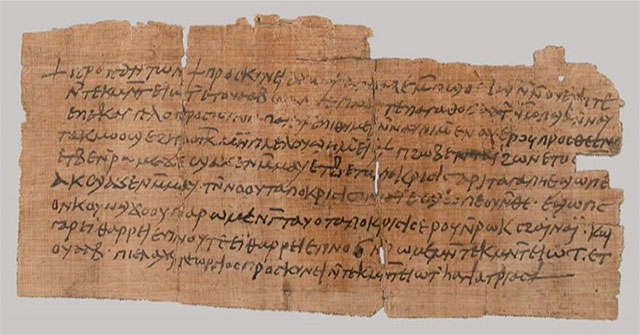
This is considered to be the oldest Christian letter in the world from the year 230 AD written on an ancient Egyptian papyrus, to help better understand the first Christ…
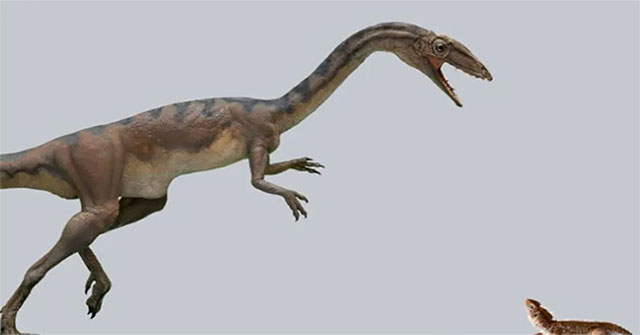
The fossil skeleton of the extremely well-preserved new dinosaur is dated back to the end of the Triassic period.

Over the past few decades, from the point of view around the Solar System, we now know thousands of planets outside the solar system.