Science story
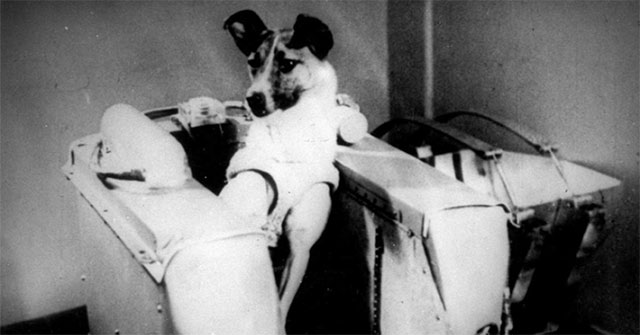
The dog astronaut Laika and the one-way flight of no return'
From a stray dog, Laika was chosen to become the first living creature in the 'suicide' flight, orbiting the Earth aboard Sputnik 2 in 1957.
Follow major science, technology and engineering developments, landmark projects, notable people and events shaping the modern world.
4,634 published items in this category and its subcategories.
From a stray dog, Laika was chosen to become the first living creature in the 'suicide' flight, orbiting the Earth aboard Sputnik 2 in 1957.
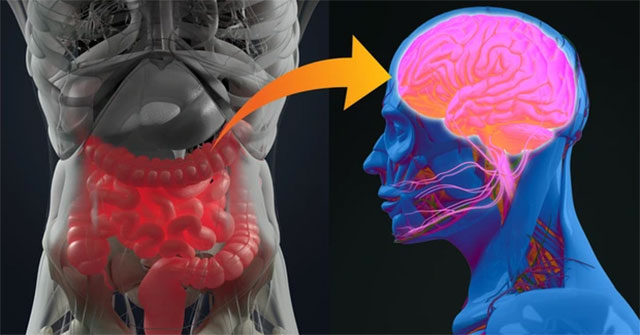
No one thinks that their smooth skin can look very 'colorful' under UV light, right?
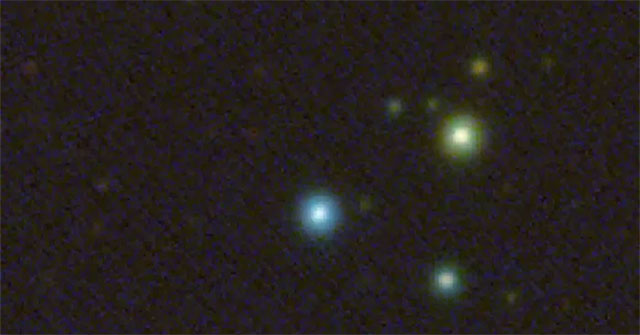
Australian scientists have discovered a supermassive black hole with the mass of 3 billion Suns. They believe this is the fastest growing black hole in the past 9 billio…
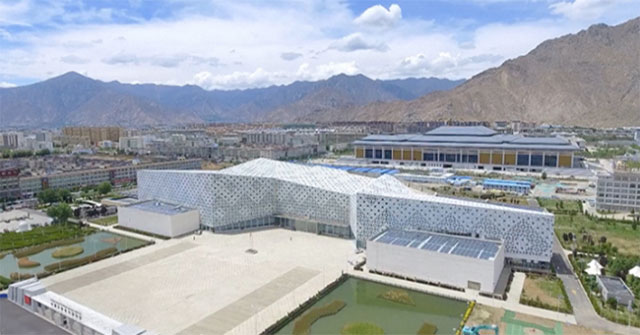
Construction of the planetarium at an altitude of 3,650 meters above sea level began on June 12 in the Tibet Autonomous Region.
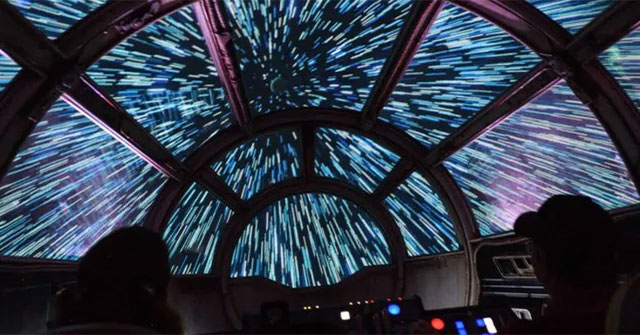
As far as we know, a person cannot travel at twice the speed of light. Einstein's theory of relativity seems to say that it can't happen, but what if it could? Some unus…
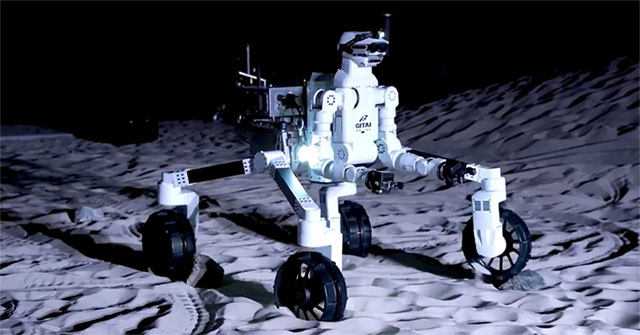
R1 robot prototype is equipped with 4 wheeled legs, 2 CCTV cameras and 2 clamp-like hands that can perform flexible movements.

Tesla CEO Elon Musk says that maybe AI is the biggest risk facing human civilization.
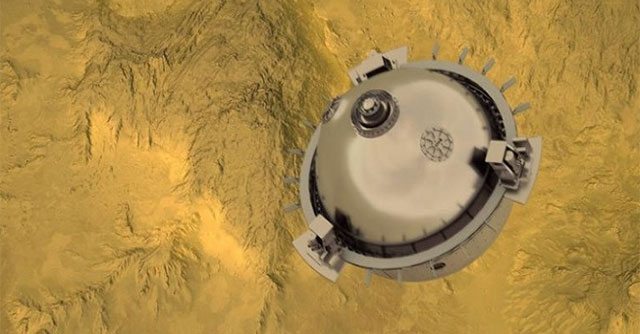
NASA will launch a mission to fly over Venus and plunge through the planet's harsh atmosphere in 2029.
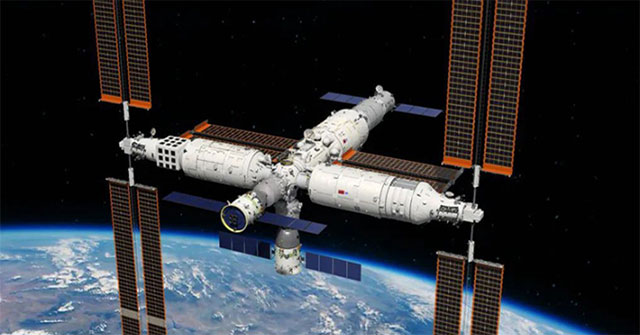
The complete Thien Cung space station is T-shaped with 3 modules, has a total living space of more than 110m3 and can accommodate 6 astronauts.
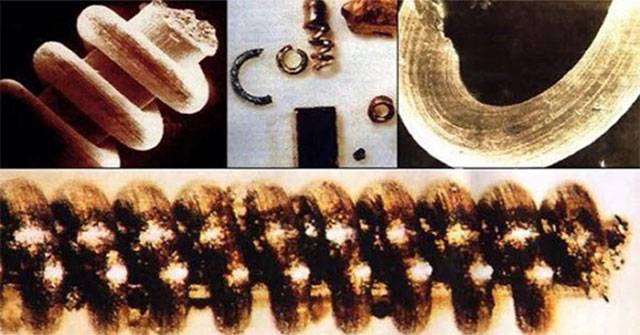
Something as sophisticated and complex as nanotechnology could not have been developed without the structure of atoms and the microscope as a premise.
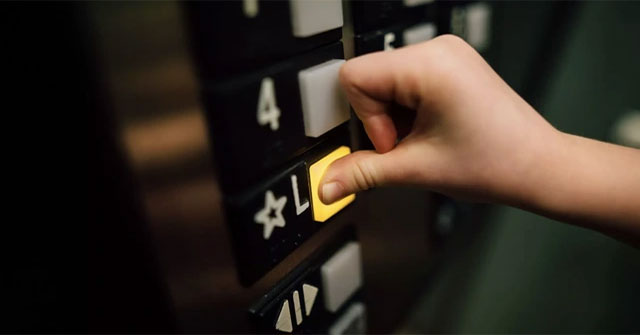
The system takes advantage of the elevator's idle time to generate electricity.

According to an article published in the journal Fluid Physics, the sound of a champagne cork turns out to have something in common with a rocket launcher.
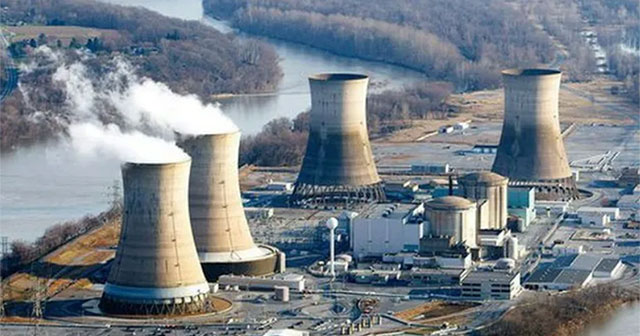
No matter how powerful one might think about nuclear energy, it is undeniable that creating nuclear power means releasing tons of radioactive waste.
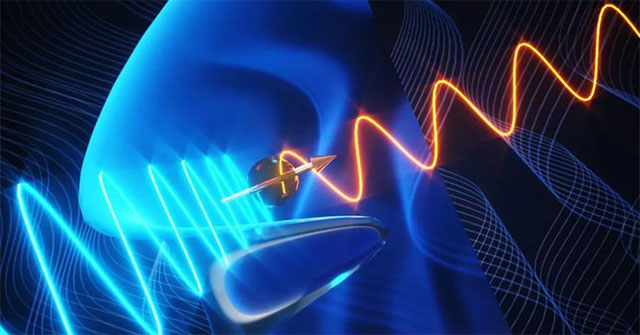
Researchers have discovered a new type of particle that is magnetic with the Higgs boson.
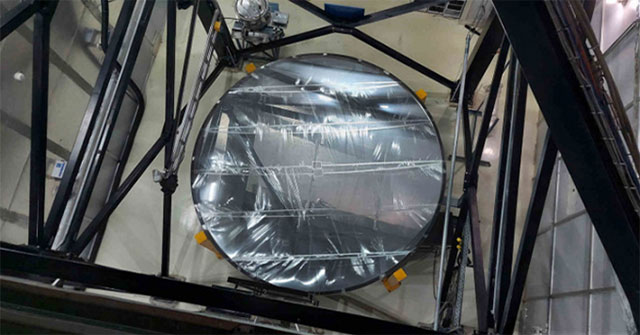
The ILMT telescope contains more than 50 liters of mercury, or nearly 700 kg, and is expected to generate 10-15 GB of data per night.