Those who hit Sui poison may not live more than 7 steps up the slope, 8 steps down the slope or 9 steps on a flat road.

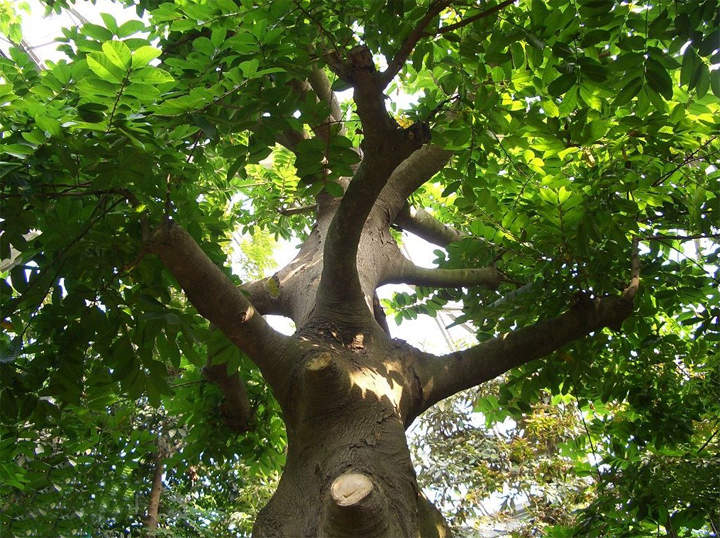
Antiaris toxicaria, called Sui tree, is also known as Antiaris toxicaria.This is a large tree can grow up to 30 meters high, distributed in tropical Asia, Africa, Australia.In Vietnam, Sui trees grow much in the northern mountainous areas such as Ha Giang, Lang Son, Thai Nguyen and some provinces such as Quang Tri, Dong Nai, Ba Ria - Vung Tau . etc.

Antiaris toxicaria tree has many different local names.In the Indonesian island of Java, this poisonous tree called Xuy tree, in Hainan island of China Antiaris toxicaria is called "poisonous arrow tree" because in the past the ancient Chinese took the poison of the impregnated Sui tree. on the arrowhead used in hunting and war.

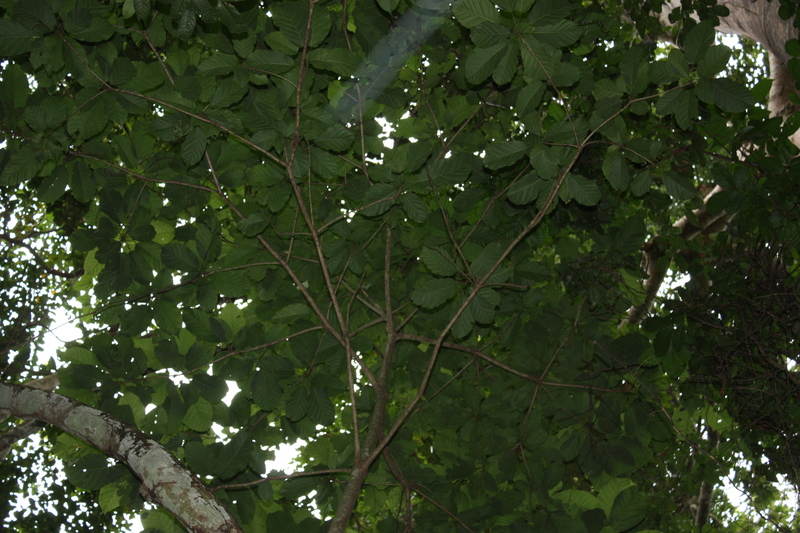
Mature Sui stems have a diameter of up to 40 cm, elliptical leaves 7 - 19 cm long and 3 - 6 cm wide, pale gray bark.Plants grow fast and reach adult size within 20 years.
 Sui plants contain the famous cardenolides glycoside poison that is used to impregnate arrows and darts.So, in Java, Sui called Xuy also means "poison" or nicknames like "guards" and "messengers".
 In China, this plant is said to be extremely dangerous.Folk is said that if anyone poisoned this Poison Arrow tree, they would die after 7 steps up the slope, 8 steps down the slope or 9 steps on the flat road.Because the poison of Sui plants is capable of attacking the heart of the poisoned person, quickly causing the heart to stop beating, making a dull and pale face, obstructing breathing and death.
Scientists recommend not too close contact with the Sui tree.Sui plastic if shot in the eyes will cause blindness, contact with wounds can penetrate into the blood causing death when not treated promptly.
 Although there is a terrible toxin, Sui is currently being used by Medicine to produce some medicines for treating fever, heart support, high blood pressure . etc.