
Health
Science: Spicy eating may increase the risk of dementia
According to a recent scientific study, eating too many peppers may increase the risk of dementia. This must be unhappy news for those who like spicy food.
Explore health research, nutrition, sleep, exercise, aging and everyday wellness topics with practical explanations and science-focused coverage.
1,416 published items in this category and its subcategories.
According to a recent scientific study, eating too many peppers may increase the risk of dementia. This must be unhappy news for those who like spicy food.

Israeli scientists have developed an algorithm based on data from the initial exposure of a bacterium to the human body's immune system, helping to predict tuberculosis.

With this device, the patient only needs to provide the prescription code provided by phone, then use it to access the drug receiving system.

According to the latest report from Fitch Solutions Macro Research, the growth rate in this category in Vietnam is the fastest in Southeast Asia today.

Researchers warn that drug-resistant malaria parasites are spreading in many Southeast Asian countries.

Exposing the sun for a long time to shape the skin causes skin to suffer from burns, burns, wrinkles and cancer risk due to UV rays.

Singaporean scientists studied seven types of plants commonly used as anticancer drugs, determined bile bear, Indian tubers and tricuspid effectively.


The main label is very good, brings many health benefits but there are also some things to note to ensure health.

Thanks to the miracle of modern refrigerators, we can keep perishable food longer and no longer have to buy fresh food every day.

Celery is more than just a spice vegetable that increases the appeal for dishes, but the juice of this vegetable is also extremely special for health.

Meat is an indispensable food in our lives and many people have a preference for meat.

Fruits can not only be absorbed by the way of eating but also can bring many health benefits in a very simple way that is located right in the bedroom.
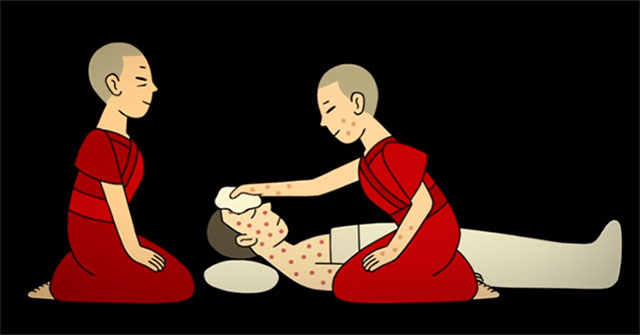
10,000 years ago, a deadly virus 'hit' in northeastern Africa, they spread through the air, attacking the victims' skin, bone marrow, spleen and lymph nodes.

A group of international neuroscientists conducted a large study, which clarified the main difference between the brains of ordinary people and murderers who have commit…